Tesla Semi 2026: Mass Production, Specs & $165M Subsidies
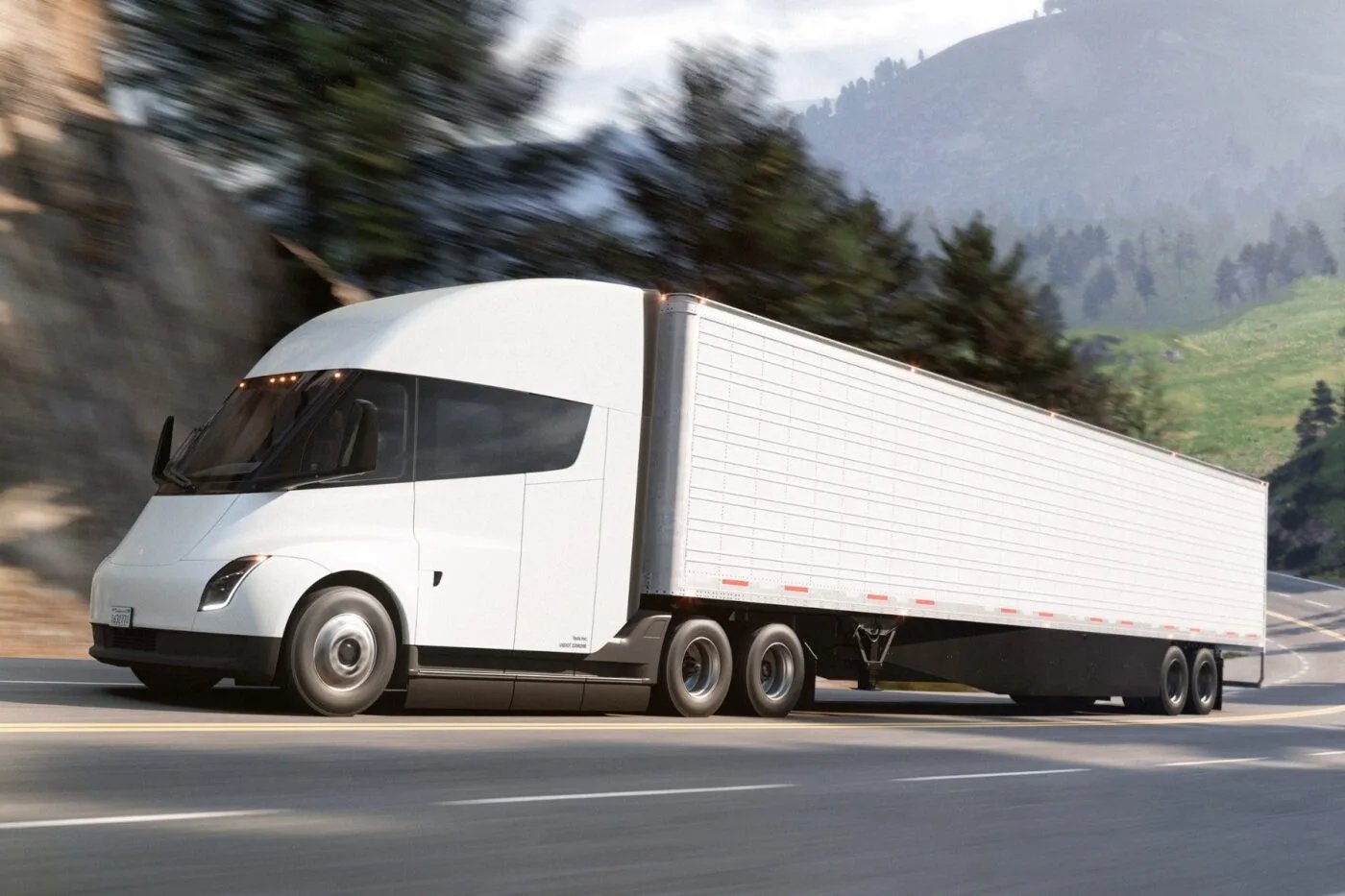
The Tesla Semi finally enters mass production in 2026, with two confirmed versions at $250,000 and $290,000, and a $165 million package of California public subsidies already provisionally reserved. Announced in 2017, first delivered to PepsiCo in December 2022, the electric truck is now shifting into high gear — with official specs, a charging network under construction, and competitors waking up.
"Tesla Semi starts high volume production this year." — Elon Musk, on X, February 8, 2026
What the Official Specs Really Say
Tesla updated the Semi page on its website in early February, without an official press release — as usual. It was Electrek that spotted the changes first.
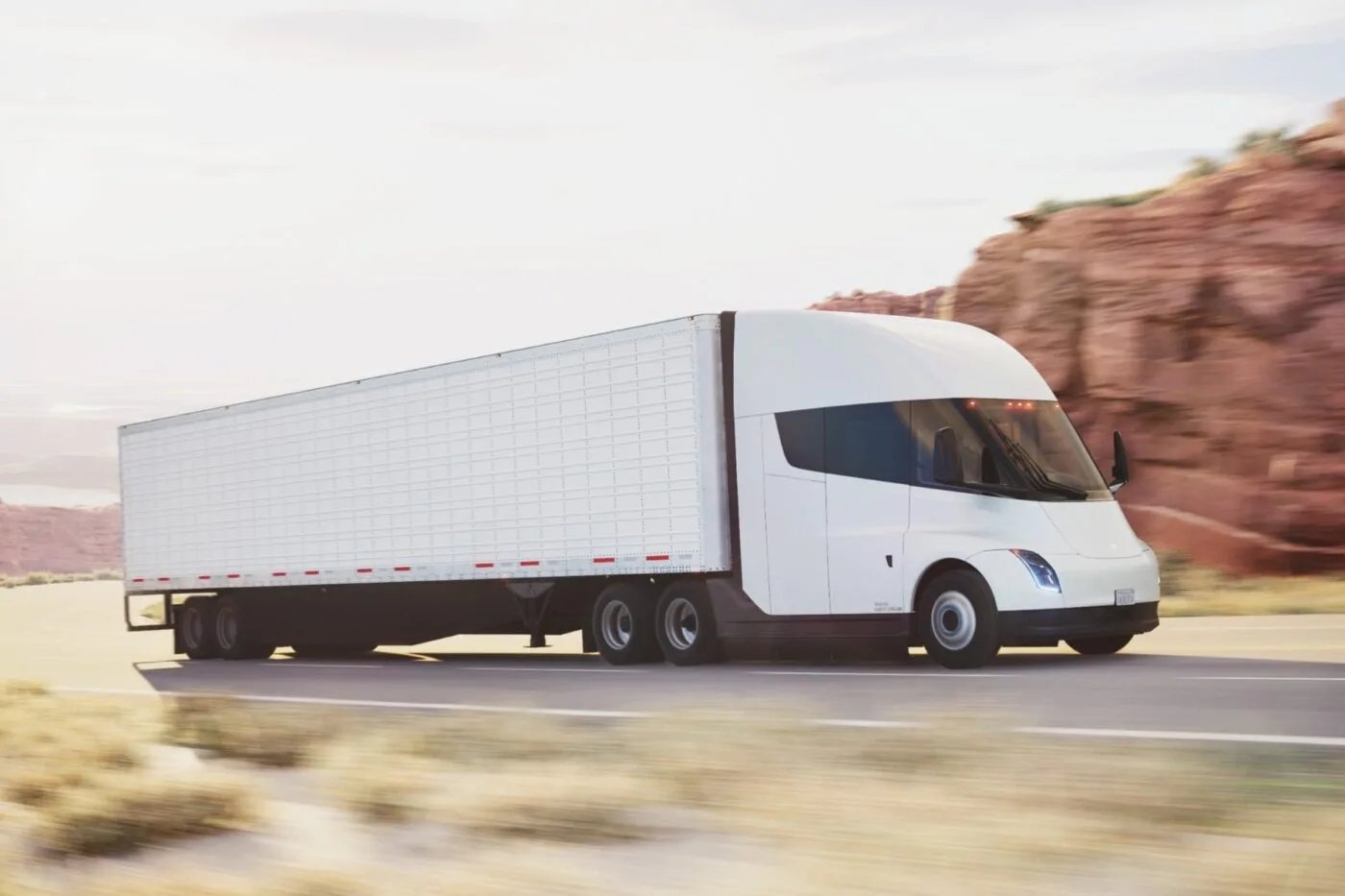
The two versions share the same architecture: three motors independent on the rear axles, delivering a combined power of 800 kW (roughly 1,088 hp). Both claim the same consumption: 1.7 kWh per mile (1.1 kWh/km). The difference lies in the battery and curb weight.
The Standard Range version offers 523 km of range at a maximum load of 37.2 tonnes, with a curb weight under 9,100 kg. The Long Range stretches to 805 km under the same loading conditions, but weighs 10,430 kg empty — that's 1,400 kg less payload capacity. On paper, the Standard Range is for regional shuttles; the Long Range targets long-haul.
Tesla still won't disclose the exact battery capacity. Intentionally.
📋 Fiche technique
805 km of Range: What About the Real World?
805 km of range at maximum load is what Tesla claims for the Long Range. This figure is measured under conditions the manufacturer doesn't detail precisely. In winter, on the highway, climbing hills — with 37 tonnes behind — reality will differ. PepsiCo has logged 13.5 million miles in real-world conditions since the first deliveries in 2022, but Tesla hasn't published any official field data on seasonal range degradation.
What we do know, however: charging. The Long Range supports a peak power of 1.2 MW via the MCS 3.2 standard (Megawatt Charging System). Both versions reach 60% charge in 30 minutes. On paper, that's enough for a mandatory 45-minute break with margin. In reality, the first public Megacharger just opened in Ontario, California, with a current power output of 750 kW — not yet the theoretical 1.2 MW.
Tesla plans 37 charging sites by the end of 2026 and has already mapped out 65 locations across 15 US states. Texas leads with 19 planned sites, followed by California with 17. All sites outside Ontario are marked "coming soon."
$165 Million in California Subsidies: Legitimate or a Problem?
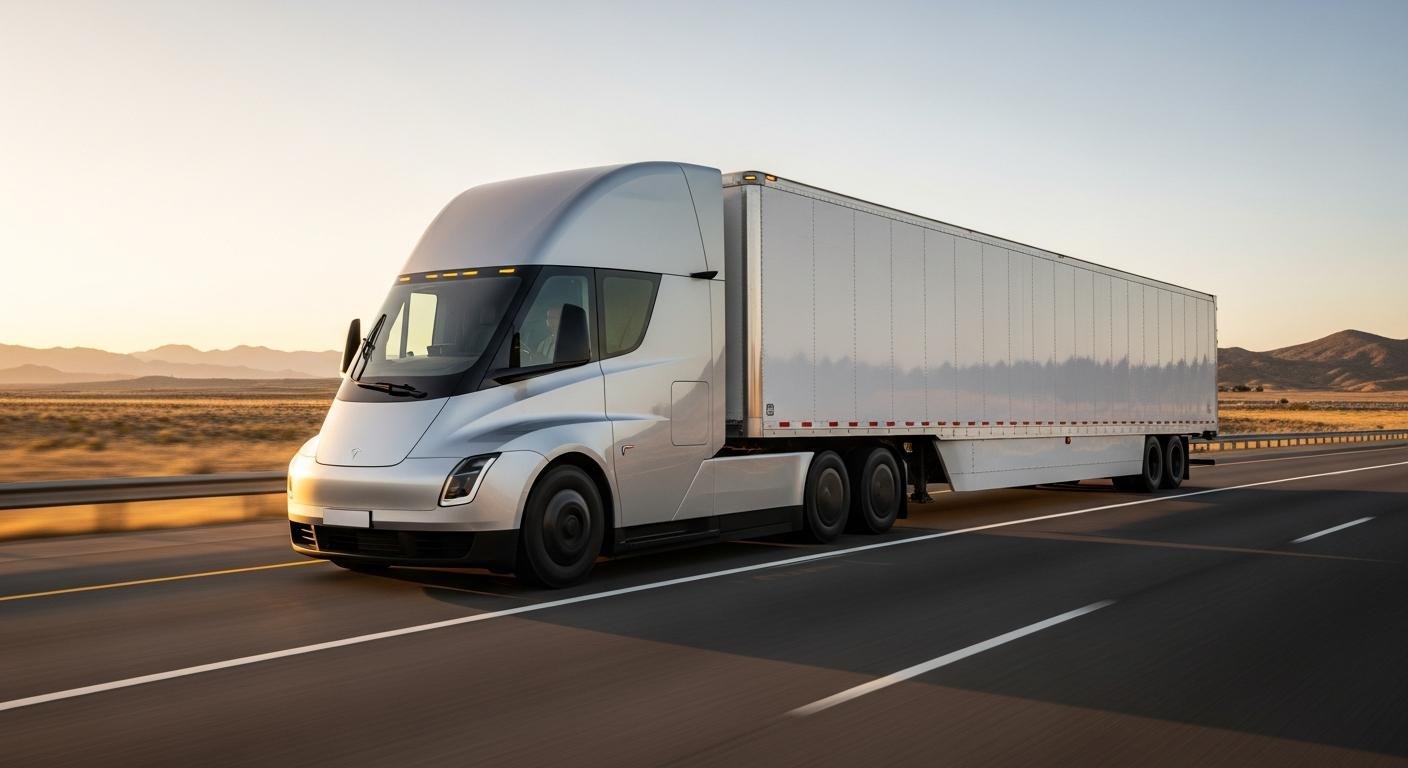
It was the LA Times that broke the story. California's HVIP program (Hybrid and Zero-Emission Truck and Bus Voucher Incentive Project) has provisionally reserved nearly 1,000 vouchers for the Tesla Semi, representing roughly $165 million. The second beneficiary, Canadian bus manufacturer New Flyer, gets only $68 million.
The system operates on a "first come, first served" basis: companies can reserve vouchers even before placing an order. The value of a voucher ranges between $84,000 and $351,000 depending on configuration. Tesla apparently mobilized its potential customers very early in the process.
The issue raised by competitors: at the time of application, CARB (California Air Resources Board) certification was only complete for the 2024 model. Subsequent years weren't yet listed. Following the LA Times investigation, public data was revised — local port funds were removed from the tally. But Tesla still sits at $165 million, far ahead of everyone else.
California authorities specify that the

Written by
Jules DuboisSpecialist électrique, hybride, batterie, recharge, autonomie, technologies, electrique, nouveaute
Journaliste automobile passionné par la mobilité électrique et les nouvelles technologies. Après 10 ans dans la presse spécialisée, Jules décrypte ...
View all articles (12)Read More
•Tesla Semi: Mass Production in 2026 with 800 kW Charging
•Tesla Cybercab Production Launched, Record Q1 2026 Results
•Tesla Model Y 2026: 7-Seat and Model Y L Arrive in Europe
•Tesla Drops Autopilot in California to Keep Selling Cars
•Tesla Cybercab: Production Begins, Price Confirmed Under $30,000
•Tesla Cybertruck AWD at $59,990: Most Accessible Version Finally Here
•Tesla Integrates Grok, Urban Tunnels Revolutionize Mobility
•Tesla Autopilot: 8 Billion Miles, $243M Verdict