Tesla Drops Autopilot in California to Keep Selling Cars
Tesla abandoned the "Autopilot" name in California in February 2026 to avoid a 30-day suspension of its sales license — its largest US market, with 179,656 vehicles delivered in 2025. The maneuver worked on a legal level, but resolves nothing on the merits: the manufacturer still hasn't completed a single kilometer of autonomous testing in the state for its robotaxi service, for the sixth consecutive year.
"Tesla described its system as capable of handling short and long trips without any action required from the driver — a claim the DMV deemed to cross a legal line." — California Department of Motor Vehicles
 app, a platform allowing users to join the waitlist for autonomous ride-hailing services using [Tesla Model Y](/article/tesla-model-y-7-places-prix-autonomie-et-disponibilite-en-france) vehicles, with the company's branding seen in the background on September 4, 2025 in Chongqing, China.](https://res.cloudinary.com/dvxey2ykr/image/upload/v1779797745/rss/2026-05-tesla-california-02.jpg "In this photo illustration, a smartphone held in a hand shows the [Tesla Robotaxi](/article/tesla-semi-2026-production-de-masse-specs-et-165-m-de-subventions) app, a platform allowing users to join the waitlist for autonomous ride-hailing services using [Tesla Model Y](/article/tesla-model-y-7-places-prix-autonomie-et-disponibilite-en-france) vehicles, with the company's branding seen in the background on September 4, 2025 in Chongqing, China.")
"Autopilot" is dead. "Traffic Aware Cruise Control" takes its place.
The timeline is worth revisiting. The California DMV initiated administrative proceedings against Tesla as early as 2023, arguing that the names "Autopilot" and "Full Self-Driving" misled consumers about the systems' actual capabilities. The verdict came in December 2024: Tesla had 60 days to correct the issue or lose its sales license in the state for 30 days.
Tesla complied. "Autopilot" was renamed "Traffic Aware Cruise Control" , and "Full Self-Driving" now permanently carries the suffix "(Supervised)" in all California marketing materials. On February 17, 2026, the DMV confirmed that Tesla could continue selling its cars in the state. Case closed, according to regulators.
Except that Tesla filed its lawsuit against the DMV on February 13 — four days before getting the green light. The company thus chose to comply and attack simultaneously. This isn't bad faith; it's pure legal strategy: avoid the commercial suspension while contesting the validity of the initial ruling.
Why Tesla killed Autopilot nationwide to appease California
This is where the situation gets interesting. Tesla didn't just rename the feature in California. Since January 23, 2026, the basic "Autopilot" — that is, autosteer combined with adaptive cruise control — is no longer delivered as standard on new vehicles in the United States and Canada. Buyers who want anything beyond basic cruise control must now subscribe to FSD (Supervised) at $99 per month.
This is as much a business model shift as a regulatory concession. By removing Autopilot as standard equipment, Tesla is pushing its user base toward a recurring subscription — a logic that resembles SaaS more than automotive. For new buyers of a Model 3 or Model Y, this concretely means that a car costing between $35,000 and $60,000 depending on the version no longer includes automatic lane-keeping functionality at no extra charge.
📋 Fiche technique
 standard](https://res.cloudinary.com/dvxey2ykr/image/upload/v1779797764/rss/2026-05-tesla-california-04.jpg "2026 [tesla model 3](/article/tesla-model-y-et-model-3-nouvelles-versions-et-prix-casses-pour-democratiser-l-electrique) standard")
The California robotaxi: a project that exists only in speeches
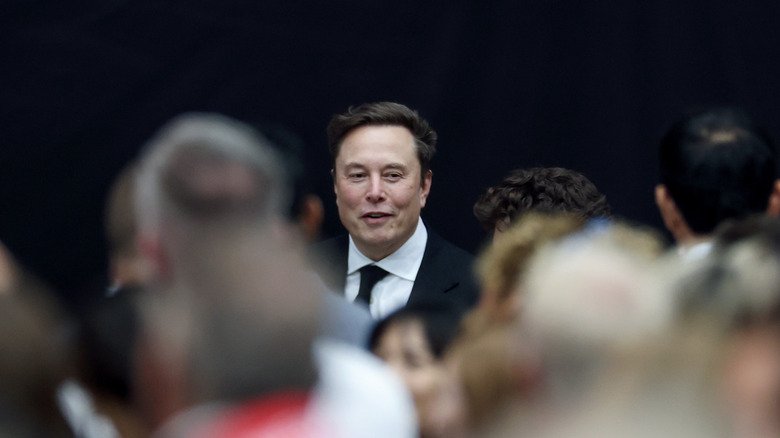
Elon Musk has been talking about the California robotaxi since
Written by
Sophie RenardSpecialist luxe, premium, sportive, sport auto, allemandes, reglementation, assurance, prix, ventes
Spécialiste du segment premium et luxe, Sophie couvre l'actualité des marques prestigieuses depuis 12 ans. Ancienne attachée de presse pour un cons...
View all articles (15)Read More
•2026 Ford Mustang Mach-E California Special & Cupra Tavascan Updates
•Tesla Cybercab Production Launched, Record Q1 2026 Results
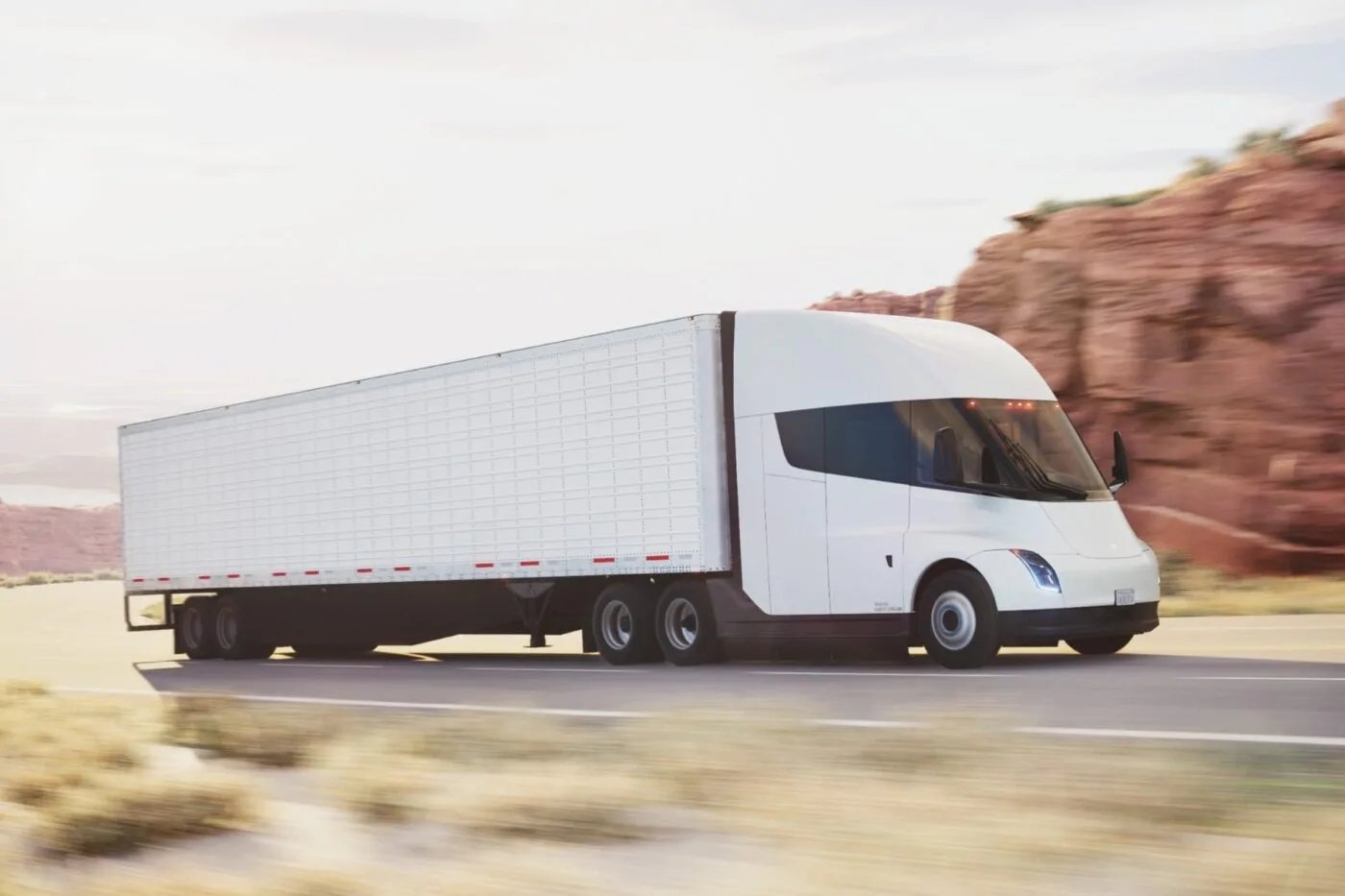
•Tesla Semi: Mass Production in 2026 with 800 kW Charging
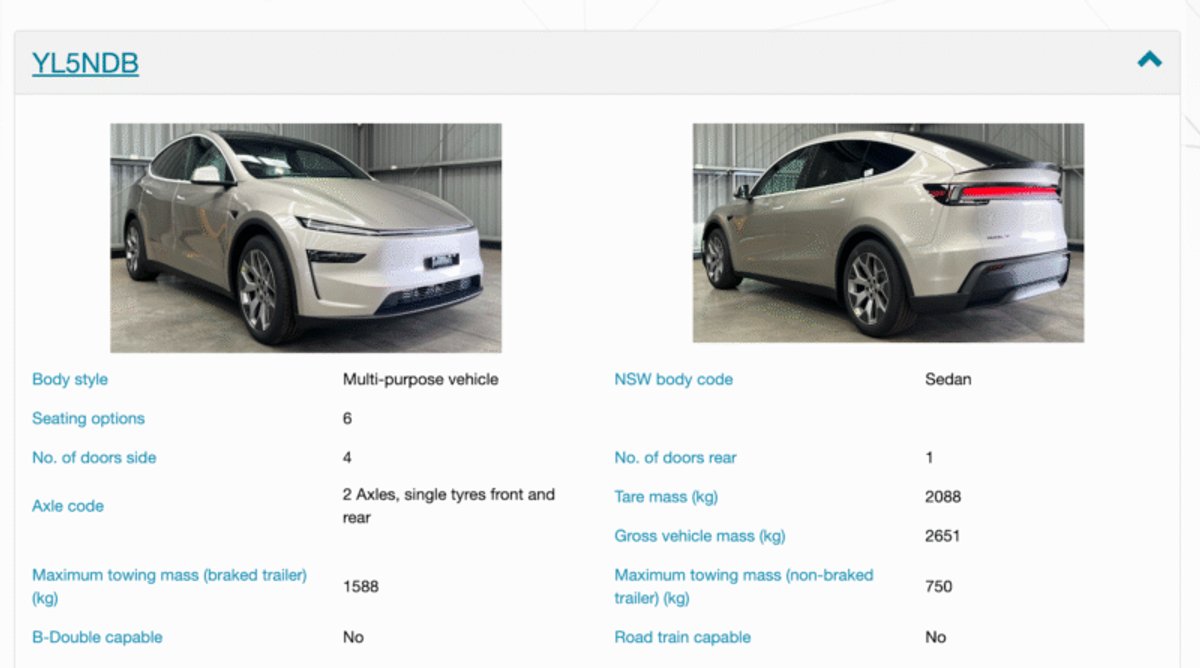
•Tesla Model Y 2026: 7-Seat and Model Y L Arrive in Europe
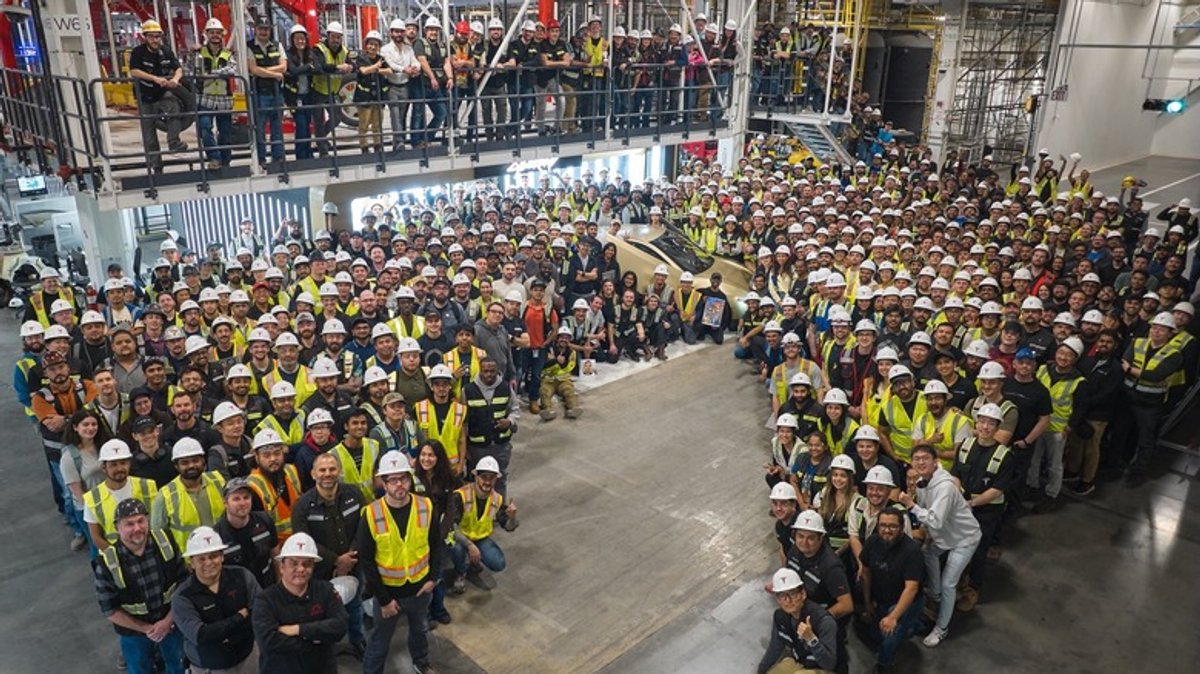
•Tesla Cybercab: Production Begins, Price Confirmed Under $30,000
•Tesla Cybertruck AWD at $59,990: Most Accessible Version Finally Here
•Tesla Integrates Grok, Urban Tunnels Revolutionize Mobility
•Tesla Autopilot: 8 Billion Miles, $243M Verdict