BMW iX1 and iX2: 500km Range with Silicon Carbide Tech
BMW strengthens the iX1 and iX2 with a new 65.2 kWh battery (versus 64.8 kWh previously) and especially power electronics based on silicon carbide that boosts range by 40 km. The iX1 eDrive20 with 204 horsepower now reaches 514 km of range, while the iX2 eDrive20 climbs to 474 km. These improvements arrive starting spring 2026 with no price increase.
"The new silicon carbide semiconductors in the inverter reduce consumption and increase WLTP range by approximately 40 kilometers" — BMW
The Silent Revolution of Silicon Carbide
This is the kind of improvement you don't see but changes everything for the user. BMW quietly introduced new power electronics based on silicon carbide semiconductors (SiC) into the iX1 and iX2. This technology, more efficient than standard silicon chips, reduces energy losses during current conversion.
Concrete result: both compact electric SUVs gain 40 km of range without changing the battery. A technical feat that finally places these models above the symbolic 500 km threshold for certain versions.
The battery itself evolved slightly, moving from 64.8 kWh to 65.2 kWh of usable capacity. A modest progression, but combined with the new electronics, it makes the difference.
Numbers That Change Everything
The improvement touches the entire electric range of both SUVs. The iX1 eDrive20 rear-drive with 204 horsepower jumps from 474 to 514 kilometers of WLTP range. Its xDrive30 all-wheel-drive counterpart with 313 horsepower gains less spectacularly but still reaches 466 km.
On the iX2 side, the eDrive20 climbs to 474 km versus 433 km previously. The xDrive30 settles for 459 km. The most powerful versions, with their all-wheel drive and higher performance, logically remain less efficient.
These figures finally place BMW's entry-level electrics in the ranks of credible models for long trips. An iX1 that exceeds 500 km theoretically means 350-400 km real-world on the highway.
When Will These Improved Versions Be Available?
The BMW iX1 and iX2 equipped with this new technology will be available starting spring 2026. BMW has employed this continuous improvement strategy for several years, with regular technical updates that arrive without fanfare.
Advantage for customers: these improvements come with no price increase. Pricing remains unchanged compared to current versions, strengthening the appeal of these two SUVs against their direct competitors.
Competition on Notice
These range gains arrive at a crucial moment for BMW. The iX1 and iX2 face fierce competition in the premium compact electric SUV segment. Mercedes EQA, Audi Q4 e-tron, Volvo XC40 Recharge: all claim similar ranges.
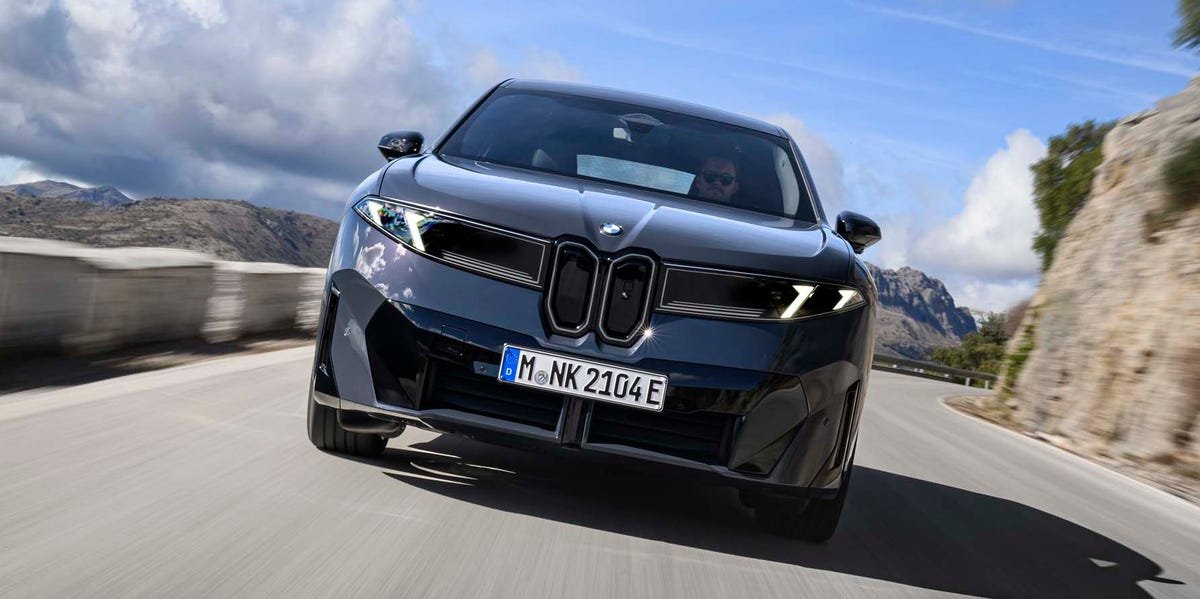
Silicon carbide adoption, already present on higher-end models, is gradually trickling down to entry-level vehicles. This technology will likely become standard across BMW's entire electric range in the coming years.
Munich-based BMW is betting heavily on electrics in Northern and Central Europe, where it channels a significant share of its zero-emission vehicle production. These technical improvements fit into this strategy of consolidating positions in these key markets.
A Fresh Logo as Bonus
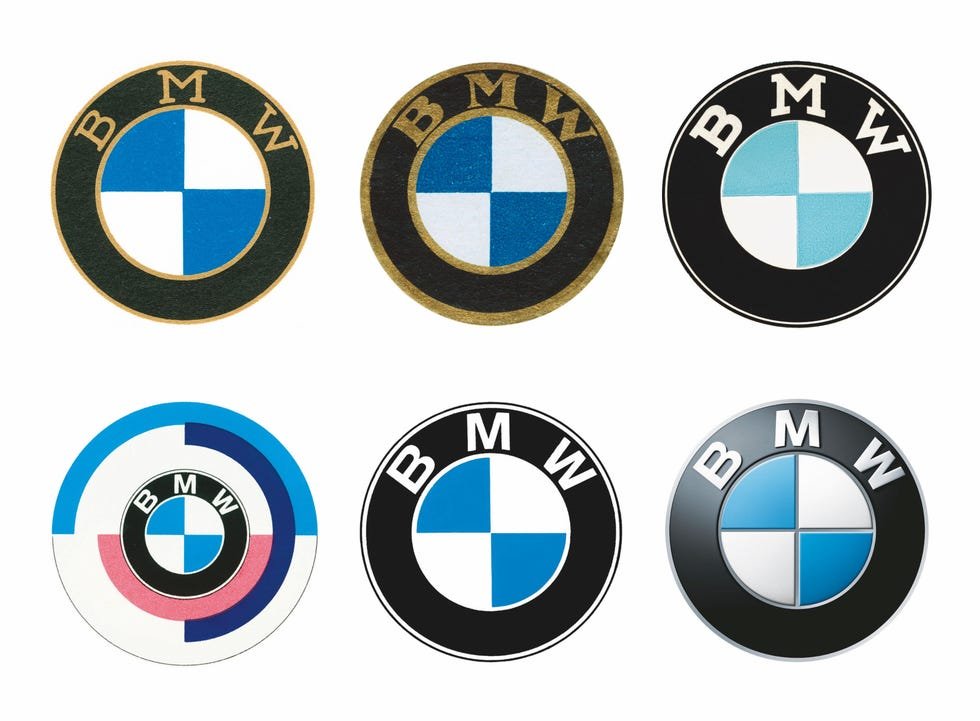
Another subtle but symbolic change: BMW introduces a slightly refreshed logo starting February. Out with the inner chrome ring, in with a cleaner, matte design. The change is subtle but marks the shift toward the Neue Klasse styling language already seen on the iX3.
This new roundel will first appear on new generation models before spreading across the entire range. A way for BMW to modernize its visual identity without revolutionizing one of the automotive industry's most recognizable logos.
📚 See Also

Written by
Jules DuboisSpecialist électrique, hybride, batterie, recharge, autonomie, technologies, electrique, nouveaute
Journaliste automobile passionné par la mobilité électrique et les nouvelles technologies. Après 10 ans dans la presse spécialisée, Jules décrypte ...
View all articles (12)Read More
•BMW iX3: 50,000 Orders in 6 Months, A Phenomenal Success
•BMW iX3 2026: The Electric SUV Dividing Designers
•BMW iX3: Paid Subscriptions & €2,000 Price Hike
•BMW M2 G87: 480 HP, Tuning, Depreciation & Track Kit Updates
•BMW M5 and Neue Klasse: All 2026-2027 Reveals
•BMW 7 Series 2027: Level 3 Autonomy Dropped, Facelift Arrives
•BMW i4 Production End Confirmed as New i3 Arrives
•BMW i3 2026: 900 km WLTP Range for First Electric 3 Series