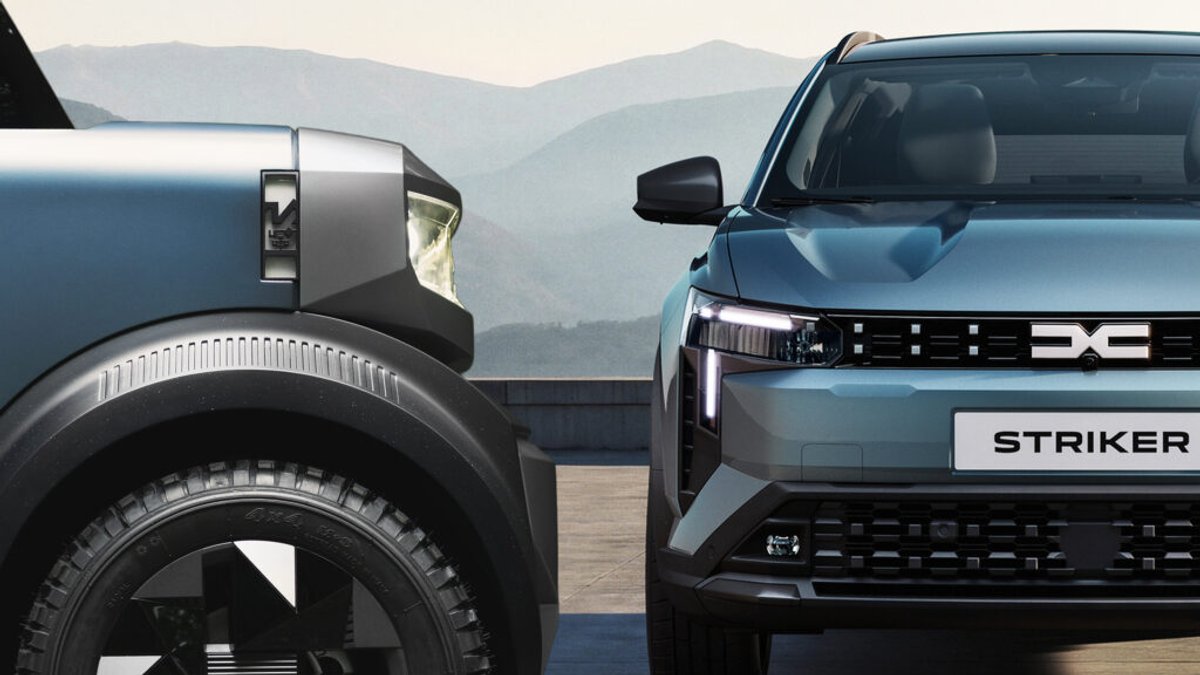
Dacia Duster and Bigster: New Hybrid 4x4 Powertrains
The Renault Group is betting heavily on electrification and affordable SUVs with the launch of new powertrains for its Dacia Duster and Bigster models. These vehicles receive an innovative 4x4 hybrid system, the Hybrid 150, which combines a petrol engine and a rear electric motor for 148 horsepower. Meanwhile, Renault is developing the Bridger concept, a rugged mini-SUV aimed at emerging markets.
"The Hybrid 150 4x4 system operates in electric mode 60% of the time during normal driving" — Dacia
An Innovative 4x4 Hybrid System for Dacia
The Duster and Bigster introduce original 4x4 hybrid technology. The Hybrid 150 system combines a 1.2 TCe petrol engine with 138 horsepower that drives the front wheels with a 31-horsepower electric motor dedicated to the rear axle. This architecture eliminates the traditional transmission shaft and enables intelligent power distribution.
The compact 0.84 kWh lithium-ion battery allows for 100% electric driving phases, particularly in urban areas. The rear electric motor has its own 2-speed gearbox to optimize performance on road and off-road terrain. It can also fully disengage to save energy.
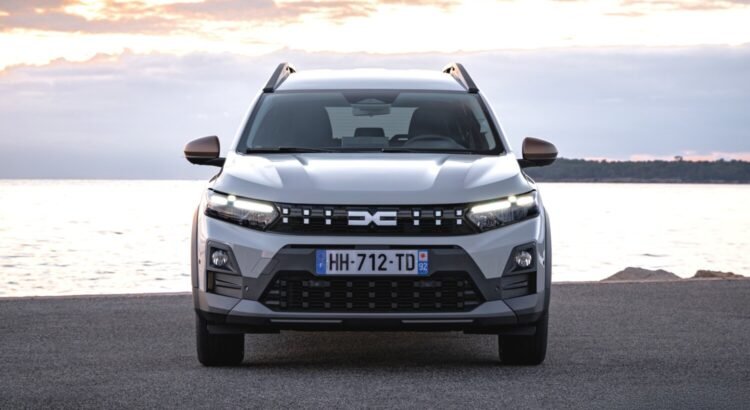
This powertrain permanently replaces the 130 4x4 on the Bigster but coexists with it on the Duster. It comes exclusively with a 6-speed automatic transmission, abandoning the manual option. The power gain amounts to 23 horsepower compared to the previous generation.
When Will This New Powertrain Be Available?
The Hybrid 150 4x4 will arrive on the British market during 2026, though Dacia has not yet confirmed exact dates or pricing. Early estimates suggest prices around £26,000 for the Duster and £29,000 for the Bigster, or approximately €31,000 and €35,000.
The Duster Struggles Against Bigster's Success
Despite these technical advances, the Duster is going through a difficult period. Its European sales plummeted by 41% in January, dropping from 14,973 units in January 2025 to just 8,842 vehicles. This decline coincides with the Bigster launch, which has attracted buyers with 6,063 sales in its early months.
The cannibalization effect appears clear. Dacia customers are migrating to the Bigster, which offers more space and prestige, abandoning the Duster which suddenly seems less appealing. The Jogger is suffering the same fate with a 51% decline over the period.
This internal redistribution is concerning, especially since Dacia's overall volumes fell 35% across Europe in January. The Bigster therefore does not fully compensate for the decline in other models.
Renault Prepares a Mini-SUV with the Bridger Concept
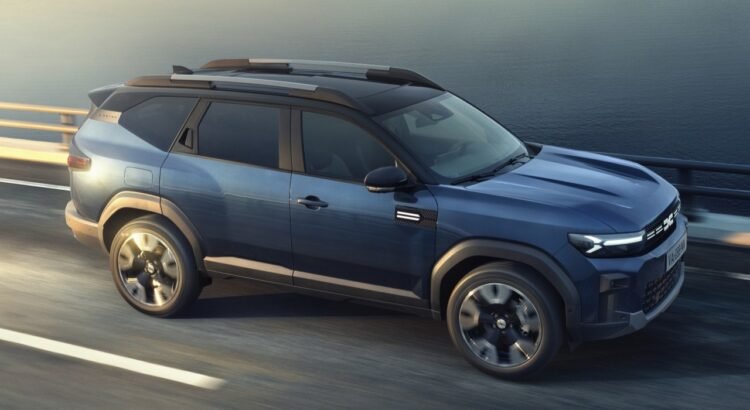
While Dacia consolidates its

Written by
Jules DuboisSpecialist électrique, hybride, batterie, recharge, autonomie, technologies, electrique, nouveaute
Journaliste automobile passionné par la mobilité électrique et les nouvelles technologies. Après 10 ans dans la presse spécialisée, Jules décrypte ...
View all articles (12)Read More
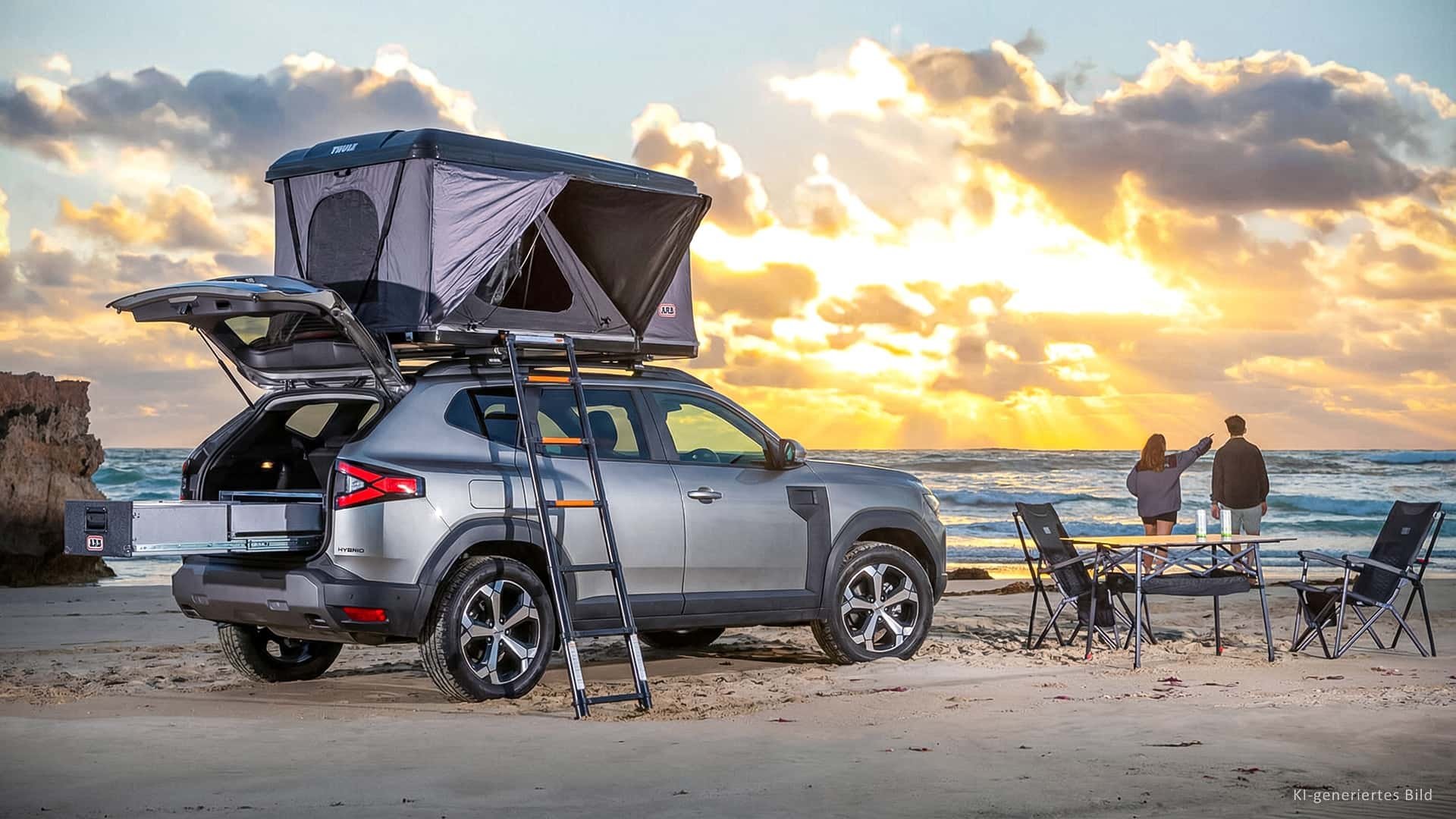
•Dacia Bigster Camper, Striker Hybrid, and 4 EVs by 2030
•Dacia Bigster 2025: 243 HP SUV Under €32,000
•Dacia Bigster vs Citroën C5 Aircross: Budget SUVs Face Off
•Dacia Spring 2026: More Power, Still the Cheapest EV
•Dacia Duster Spirit of Sand and Striker: Two SUVs Reshaping the Range