Dacia's 4 Electric Models by 2030, LPG Stays Strong
Dacia's rolling out four electric vehicles by 2030 with its futuREady plan. The Romanian marque, which shifted 700,000 units in 2025, is pumping the brakes on its original million-a-year ambition. But it's hammering the accelerator on electric. What's coming: a Sandero Electric in 2027, three more zero-emission models, and the brand-new Striker crossover to shake up the C-segment.
"More than 70% of Dacia owners stay with the brand at renewal—that's a remarkable loyalty rate" — Dacia futuREady 2030 Strategic Plan
futuREady: They're Taking It Easy
Dacia laid out its roadmap through 2030 on March 10, 2026. The old boss Denis Le Vot wanted 15% margins and to flog a million cars a year? Forget it. François Provost, holding the wheel now, chose to face reality.
New game plan? Three clear priorities: electrify the lineup, move upmarket without crashing, and keep the LPG that's selling like hotcakes. This tech keeps Dacia alive: 280,000 LPG units sold in 2025, that's 40% of the total. You know what? They're right to hang onto what works.
Four Electric Models in the Pipeline
Today, only the Spring flies the electric flag at Dacia. By 2030, four new models are coming down the line. First up is the Sandero Electric late 2027. And that's where things get interesting.
One thing's been nagging me technically: will they build a shared platform for electric and combustion? Or keep two separate chassis—the Renault Clio setup for petrol and the new Twingo platform for electric? I've driven enough cars built on both to know it changes everything about chassis feel and how the car behaves.
As for the other three electrics, total mystery. They're talking C-segment with the Bigster that could go zero-emission. Their promise? An electric under 18,000 bucks. If that sticks, it'll hurt the Chinese makers.
The Striker Lands to Shake Up the C-Segment
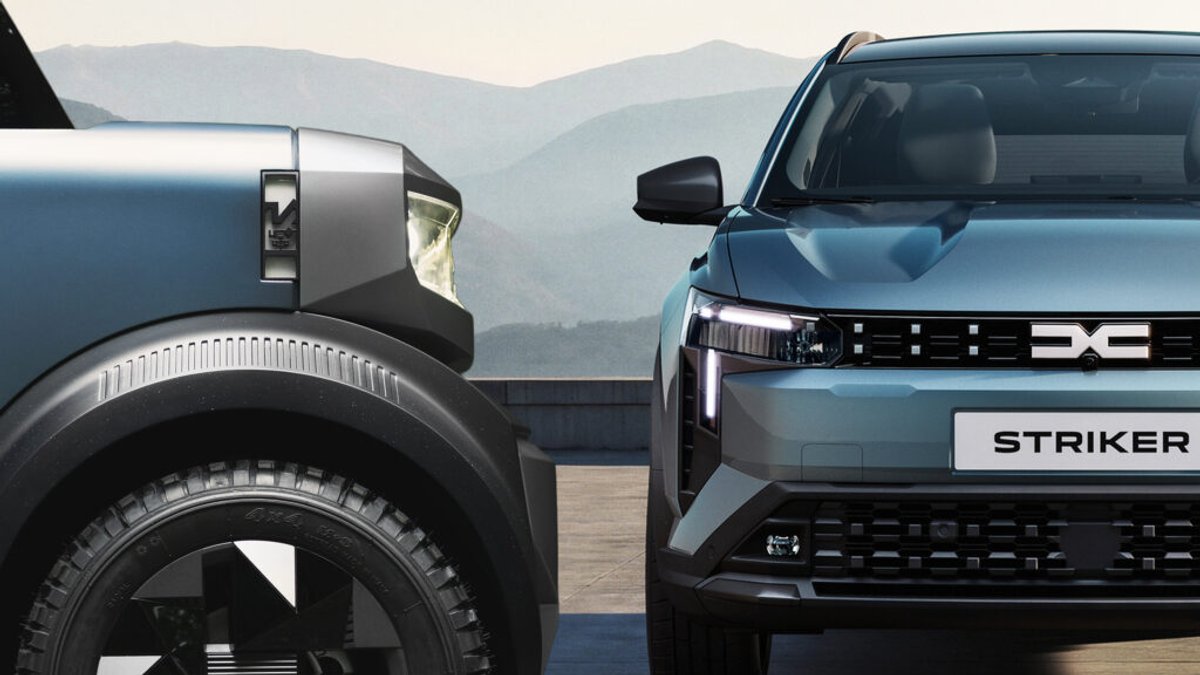
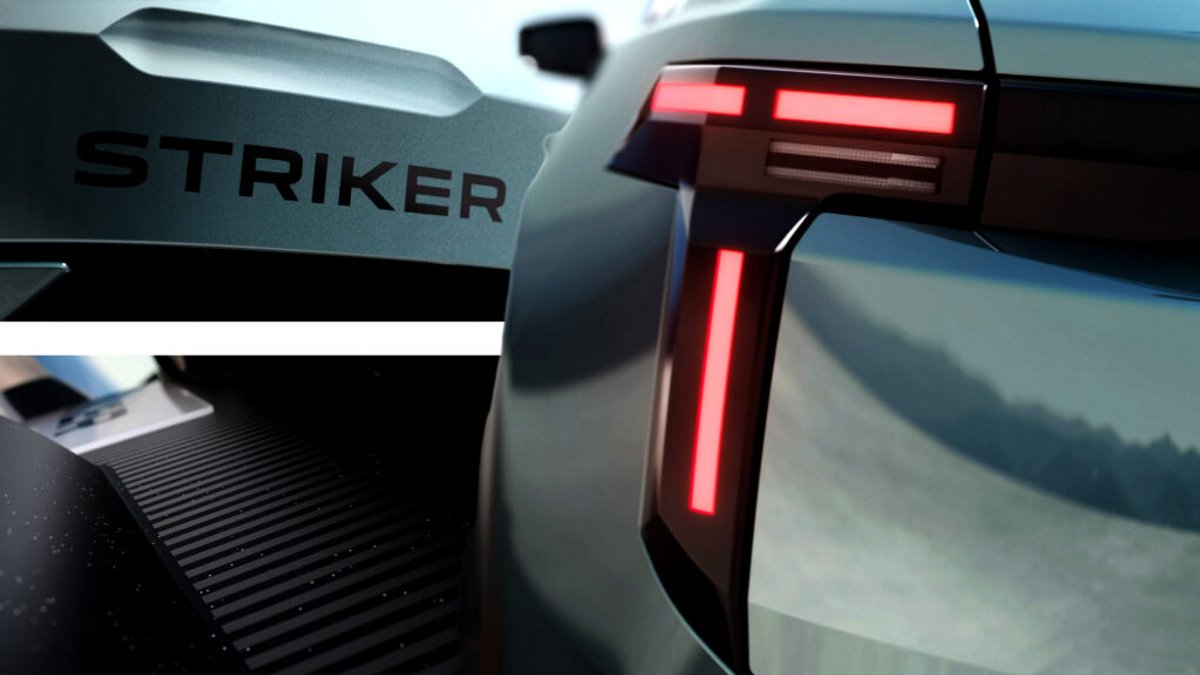
Meanwhile, Dacia's launching the Striker, a 4.62-meter crossover with serious presence. This jacked-up estate targets folks sick of cookie-cutter SUVs. And honestly, after test-driving fifteen Qashqai-Tiguan-2008 clones that all look the same, I get it.
On the menu: hybrid, hybrid 4x4, and LPG. Starting price under 25,000 euros, it positions itself against premium SUVs that cost an arm. François Provost reckons the C-segment will bring in a third of sales. It's a bold bet but not crazy: the Bigster is already a bestseller as the most-sold C-segment SUV to private buyers in the second half of 2025.
LPG and 4x4: They're Not Letting Go of Combustion
Despite the electric pivot, Dacia's going full throttle on LPG. The Sandero, Jogger, and upcoming Striker will get the option. Against Chinese makers who swear only by electric, hanging onto this difference is smart.
And 4x4, they're digging into that too. I took the Duster 4x4 down trails where Audi Quattros would've called their moms for help, and it held its own pretty well. This tech's spreading to other models, and that's good news: there's real demand for cars that do it all.
Numbers That Make You Smile
Dacia's recent results back up this strategy. The Sandero remains the best-selling private car in Europe for the second year running. The Duster ranks second best-selling SUV to private buyers in Europe.
On loyalty, it's solid concrete: 70% of owners stick with Dacia at renewal. Count those who move to Renault and you hit 80%. And here's the kicker: 65% of buyers discover the brand for the first time. That's solid sales work right there.
What's This All Going to Cost?
Price is Dacia's DNA—thankfully. They're promising an electric under 18,000 euros—probably a souped-up Spring. The Sandero Electric should land between 20,000 and 25,000 euros, keeping the edge over competition.
The Striker starts under 25,000 euros base trim—aggressive for C-segment territory. Top-spec finishes with 4x4 and all the toys should push 30,000 euros. That's still reasonable against premium SUVs flirting with 40,000.
This pricing strategy is their weapon against the Chinese. They keep prices tight while protecting margins thanks to their cost discipline.
[FAQ]When will the Sandero Electric arrive?
The Sandero Electric lands sometime in 2027. Dacia hasn't pinned down an exact date, but expect it in the first half of the year.
What will the Sandero Electric cost?
Dacia's targeting between 20,000 and

Written by
Thomas MartinSpecialist SUV, suv, crossover, essai, utilitaire, familiale, pickup, comparatif, citadine, berline, cabriolet
Expert SUV et crossovers depuis plus de 15 ans, Thomas a parcouru les routes du monde entier pour tester les véhicules les plus robustes. Ancien pi...
View all articles (10)Read More
•Dacia Sandero & Jogger: Electric, Family-Friendly, Still Affordable
•2026 Dacia Sandero Stepway Eco-G 120 Auto Review
•Dacia Spring 2026: More Power, Still the Cheapest EV
•Dacia Bigster Camper, Striker Hybrid, and 4 EVs by 2030
•Dacia Duster Spirit of Sand and Striker: Two SUVs Reshaping the Range
•Dacia Jogger: The Low-Cost 7-Seater Van vs. The Vaner Myth
•Dacia Bigster 2025: 243 HP SUV Under €32,000
•Tesla Cybercab Production Launched, Record Q1 2026 Results