Waabi raises $750M, partners with Uber for 25,000 robotaxis
Canadian startup Waabi just wrapped up a record $750 million funding round and is preparing to deploy 25,000 robotaxis on the Uber platform. This operation marks Canada's largest tech sector funding haul in history and values the company, founded in 2021 by Uber's former head of AI research, at $3 billion.
"We're thrilled to partner with the world's leading mobility platform to create a safer, more efficient and sustainable future" — Raquel Urtasun, Waabi founder
Record funding round with heavyweight investors
This Series C round of $750 million was co-led by Khosla Ventures and G2 Venture Partners. But here's where the deal gets interesting: Uber is tossing in roughly $250 million in conditional capital, tied directly to actual robotaxi deployment on its platform. Translation: money flows when robots hit the road, not before.
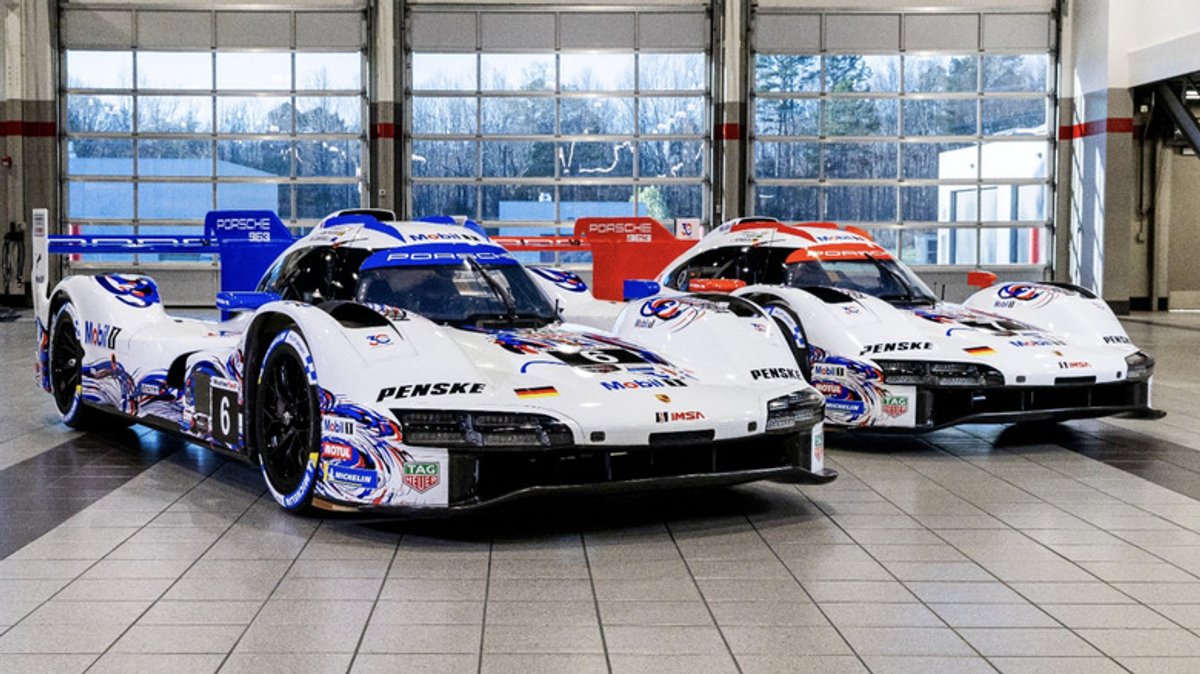
Other investors include industrial titans: Porsche SE (Volkswagen's holding company), Volvo Group, Nvidia through NVentures, plus BlackRock and Export Development Canada. This investor roster tells you how serious the autonomous driving bet has become.
Porsche SE had already backed Waabi in a previous round in 2024, doubling down on its mobility startup strategy. The holding controls the majority of Volkswagen AG shares and holds 25% plus one share of Porsche AG.
From trucks to taxis: the strategic pivot
Founded by Raquel Urtasun, former chief scientist of Uber's autonomous driving program, Waabi initially focused on self-driving trucks. It competes with players like Aurora, Einride, and PlusAI in that space.
But now Waabi is betting everything on its "physical AI platform"—the same system can power different vehicle types. This unified tech approach is its main competitive edge against rivals offering more specialized solutions.
When will we actually see these robotaxis?
Neither company has announced a concrete timeline for rolling out 25,000 Waabi robotaxis on Uber's platform. The deal includes exclusive deployment rights, but both remain tight-lipped on which cities go first. North America seems like the natural starting point, given Waabi's Canadian roots.
This announcement fits Uber's broader strategy of stacking partnerships with autonomous driving companies. The platform already works with Waymo (Alphabet's subsidiary), WeRide, Pony.ai, and Baidu's Apollo Go depending on region.
Waabi World: the tech that might actually matter
Waabi's technological core is Waabi World, a simulator that trains AI systems without needing millions of real-world kilometers of testing. This simulation-first approach slashes development costs compared to traditional trial-and-error methods.
Since 2022, Waabi has also tested vehicles on actual roads with safety drivers. By October 2024, the company had cleared an important hurdle: driverless tests on certain highway stretches.
The autonomous arms race intensifies
Autonomous driving is attracting astronomical investment. Tesla is building its own robotaxi service, Waymo already operates in multiple US cities, and automakers like Mercedes-Benz and BMW are developing proprietary systems.
For Waabi, the challenge boils down to this: prove its simulation-based approach can compete with tech giants who have vastly deeper pockets. The startup is betting its methodology can accelerate development while controlling costs—something those same giants say they're doing too.
The Uber partnership gives Waabi an immediate deployment platform and access to a global market. Two serious advantages. Now comes the hard part: turning technical promise into commercial reality at scale.
📚 Read also

Written by
Jules DuboisSpecialist électrique, hybride, batterie, recharge, autonomie, technologies, electrique, nouveaute
Journaliste automobile passionné par la mobilité électrique et les nouvelles technologies. Après 10 ans dans la presse spécialisée, Jules décrypte ...
View all articles (12)Read More
•Rivian's Revenue Rises Despite Fewer Deliveries in 2025
•Stellantis Seeks Chinese Partner to Rescue Struggling European Operations
•Stellantis to Integrate Leapmotor Tech in Fiat, Opel, Peugeot
•Renault Acquires Full Stake in Flexis EV Van Venture
•Toyota and Idemitsu Kosan Build Solid Electrolyte Pilot Plant
•2026 Porsche 911 Turbo S Hybrid Hits 60 MPH in 2.0 Seconds
•Porsche 911 GT3: Scandal, Performance, and Bargains in 2026
•Porsche Macan 2025: Electric, GTS, and Future ICE – Range Revamps