
Renault Clio Banned in Germany: The Surprising Reason
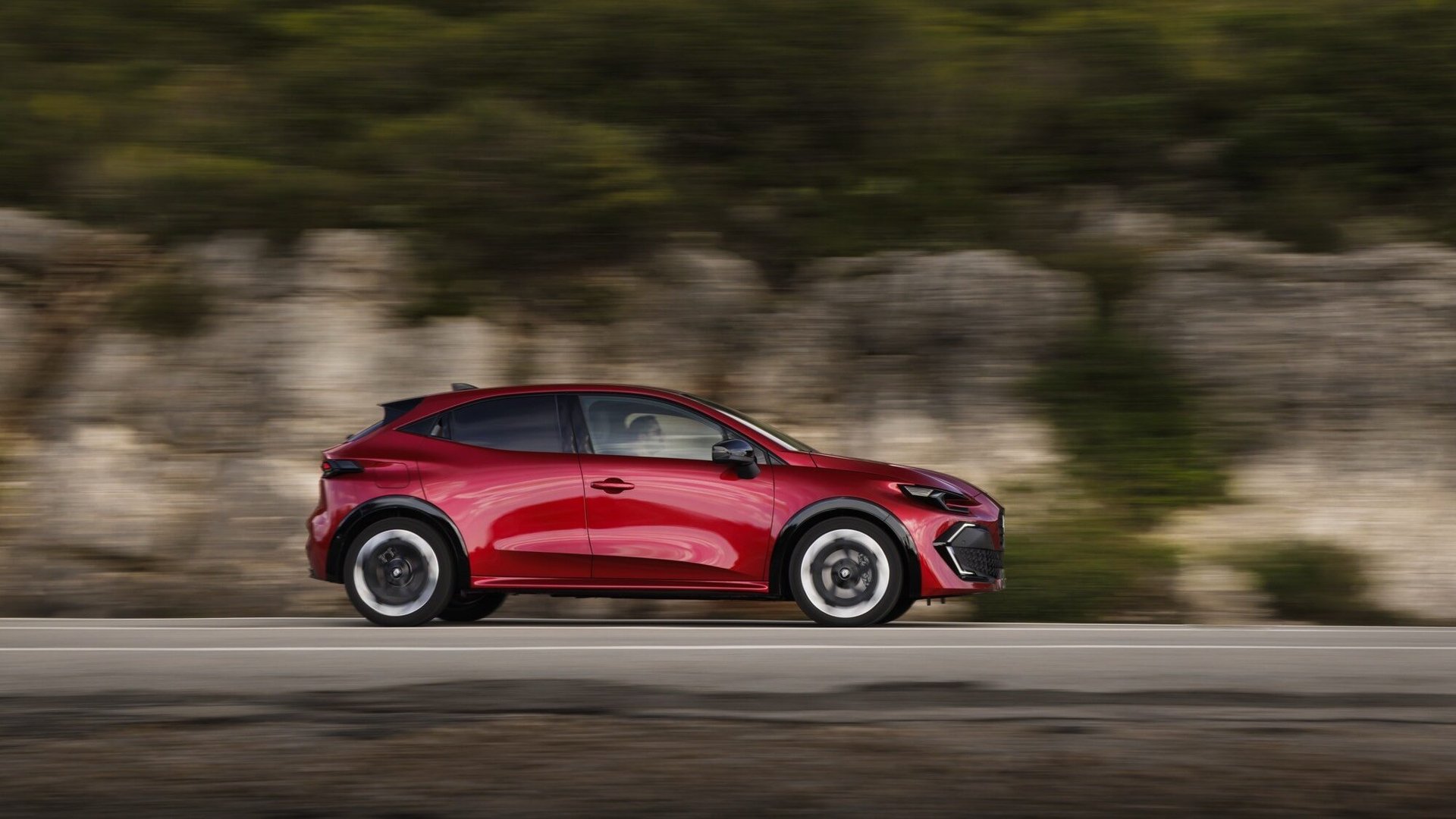
Munich's regional court has just banned the sale of the Renault Clio and Mégane in Germany. The reason? American company Broadcom accuses the French automaker of using Ethernet connections without valid licensing. A decision that could prove costly for the diamond brand if it stands.
"The tribunal's ruling provides for the prohibition of marketing Renault Clio and Mégane, both models using components that Broadcom claims ownership of." — Munich Regional Court
It's a bombshell in the automotive world. Since last Thursday, Renault has been prohibited from selling its Clio and Mégane E-Tech across German territory. This ban follows a decision by the Munich Regional Court, which sided with American company Broadcom in a dispute over a technology patent.
An Ethernet Patent at the Heart of the Conflict
The case revolves around apparently innocuous technology: Ethernet connections. Broadcom, a specialist in telecommunications equipment, has held a patent on this technology since 2007. Yet according to the American firm, Renault uses these connections in its vehicles without possessing the corresponding license.
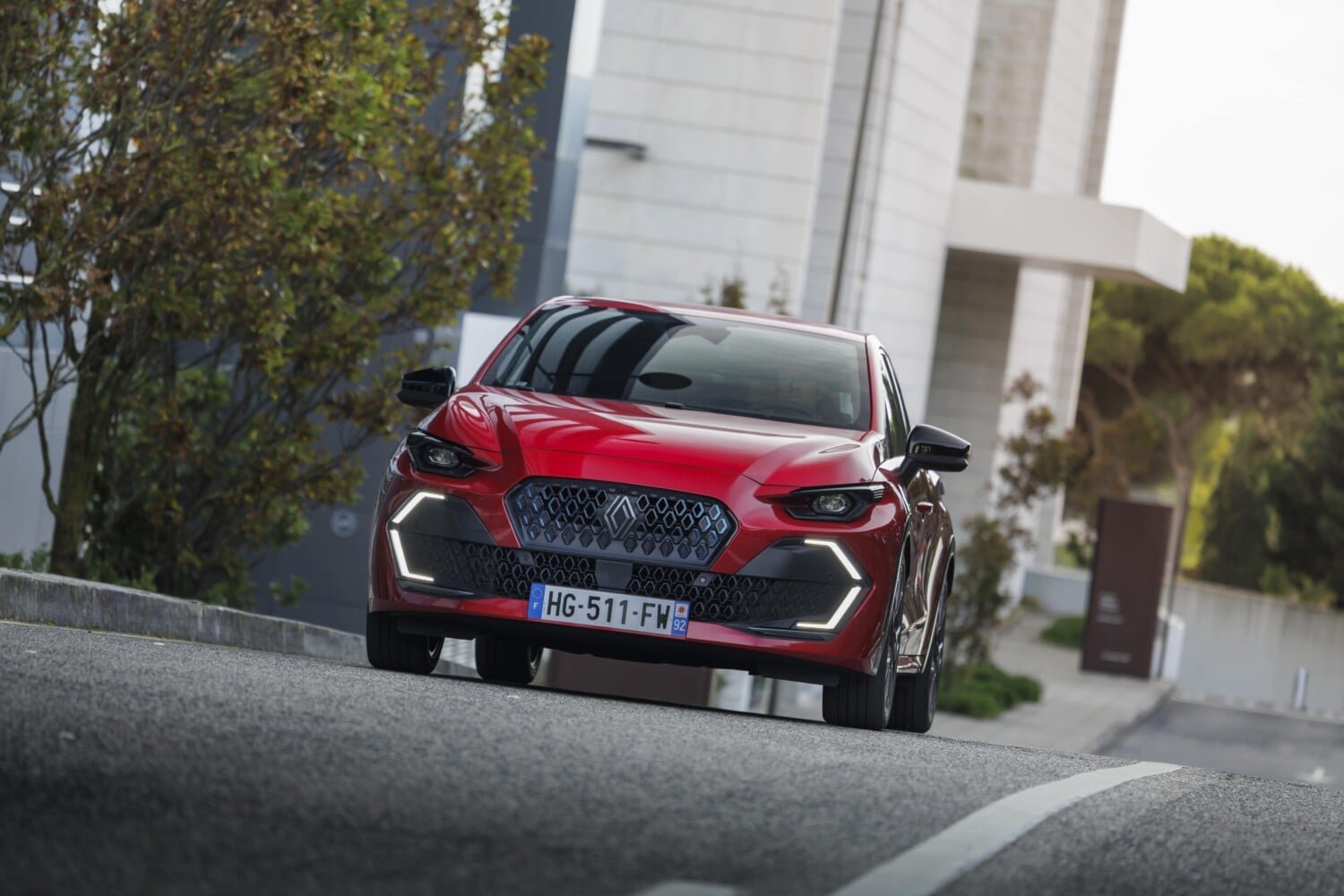
These Ethernet cables are far from trivial. They enable the linking of various electronic systems in modern cars: screens, driver assistance features, sensors, navigation systems. In the Clio, this technology powers the navigation system, while in the Mégane E-Tech, it operates the Telematics Control Unit.
Renault Files an Appeal
Faced with this decision, Renault is not sitting idle. The French automaker immediately announced its intention to appeal. "We dispute this judgment and will appeal without delay," the diamond brand declared. The group has also launched two nullity actions against the patent in question to defend itself.
This situation echoes a precedent. In 2018, Broadcom had already sued the Volkswagen Group for similar patent infringement allegations. That case was ultimately resolved through an out-of-court settlement, which could also be the outcome of this new dispute.
What Does This Actually Cost Renault?
For now, the ban is not entirely effective. The court conditioned the immediate halt of sales on Broadcom posting a bond of several million euros. This sum has not yet been deposited, allowing Renault to temporarily continue sales in Germany.
The financial stakes are considerable for the French automaker. The Clio was the second-best-selling model in Europe last year, with over 17 million units sold since its launch in 1990. Germany represents a crucial market for Renault, and losing the right to sell two of its flagship models there would represent a significant loss of revenue.
Is the New Clio 6 Also Affected?
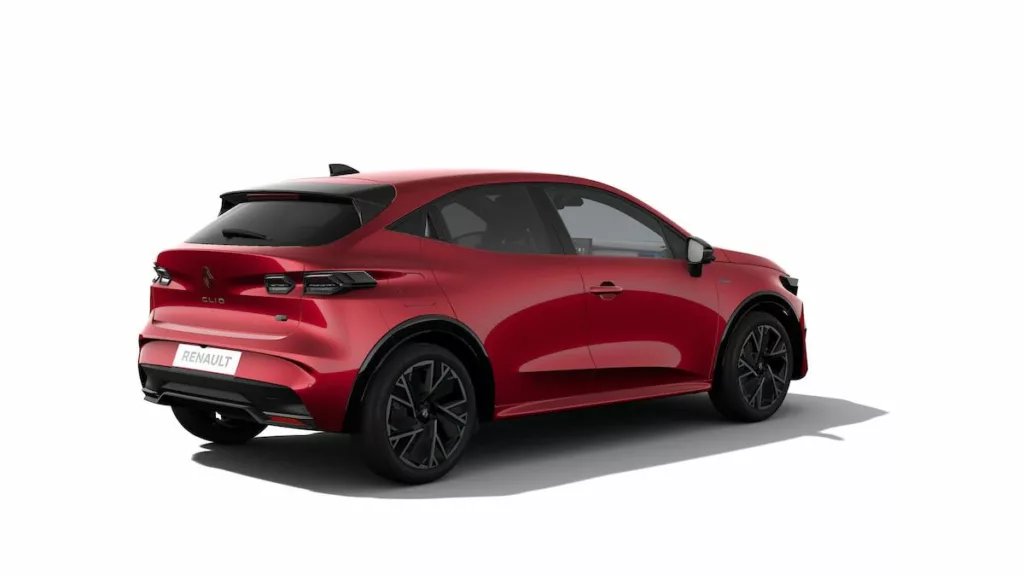
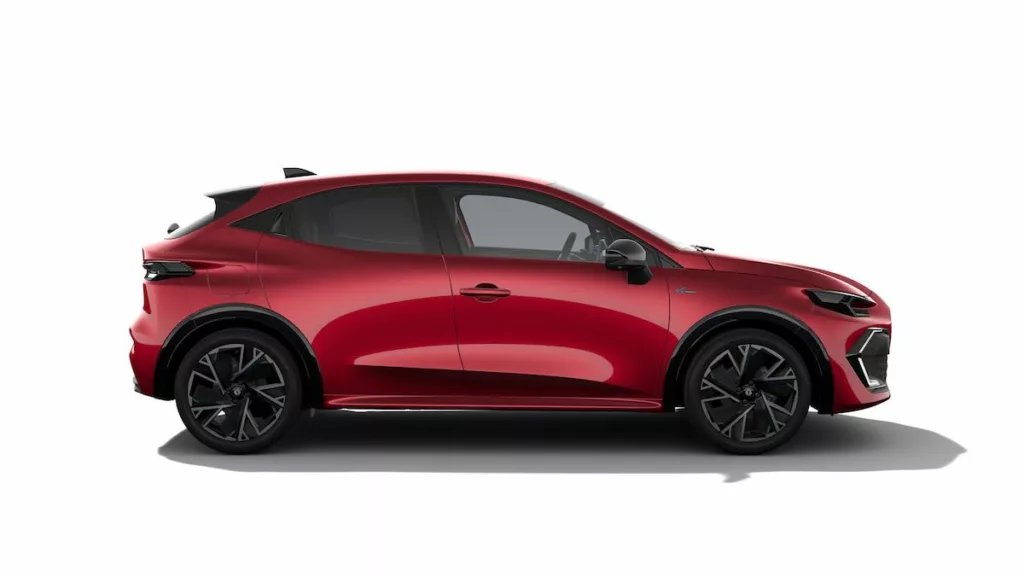
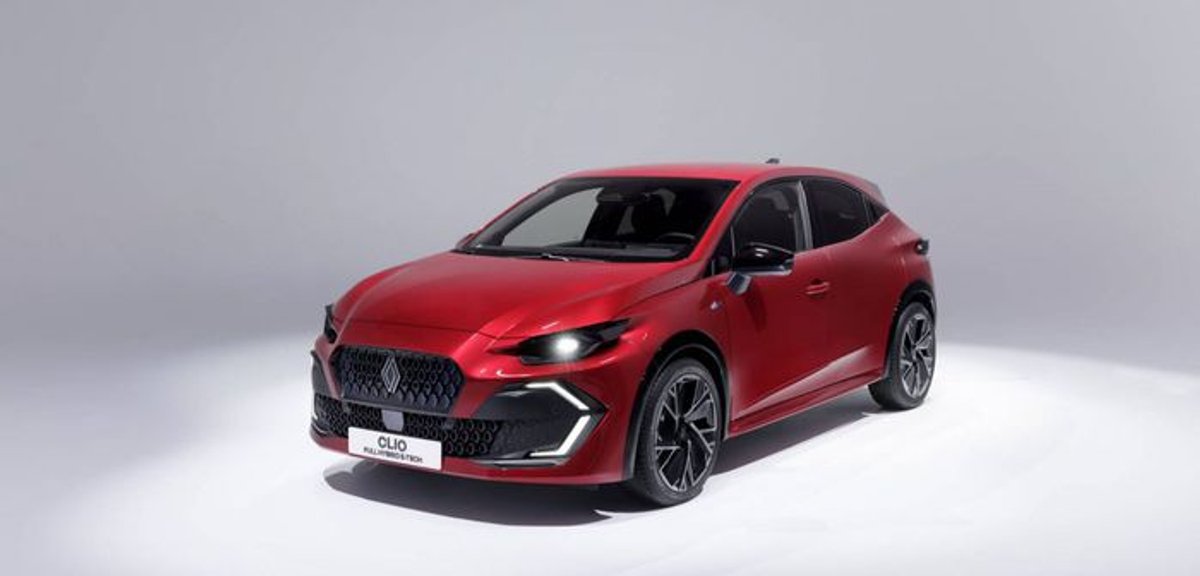
The question arises for the brand-new Clio 6, which has just arrived on the market. This sixth generation, priced from €19,900 in base trim, also uses modern electronic systems. The Esprit Alpine version, priced at €29,300, notably includes a 10.1-inch openR link system with navigation and integrated Google services.
If the Broadcom patent concerns the Ethernet connections used in these systems, the Clio 6 could also be caught by the German ban. Renault has not yet clarified whether this new model is covered by Munich's court decision.
What Solutions Might Unblock the Situation?
Several scenarios lie ahead for Renault to resolve this conflict. The simplest would be an amicable settlement with Broadcom, following the model of what happened with Volkswagen. Renault could also prevail in its appeal before German courts or obtain nullification of the contested patent.
If these remedies fail, the automaker would need to modify its vehicles to circumvent the patent. According to the ruling, all affected vehicles would need to be recalled to "destroy the incriminated material"—a particularly costly prospect.
This case illustrates the novel challenges facing automakers. With the proliferation of embedded technologies, the risks of patent disputes multiply. For Renault, the stakes are considerable: preserving access to the German market for its most popular models.
📚 Related Reading

Written by
Sophie RenardSpecialist luxe, premium, sportive, sport auto, allemandes, reglementation, assurance, prix, ventes
Spécialiste du segment premium et luxe, Sophie couvre l'actualité des marques prestigieuses depuis 12 ans. Ancienne attachée de presse pour un cons...
View all articles (15)Read More
•Renault Clio VI Hybrid: Test, Review & Best Used Deals
•Renault Clio and Mégane Banned in Germany: Patent Dispute
•Renault Clio 6: Price, Hybrid E-Tech, and Clio 5 Comparison
•Renault Clio Tops French Car Sales in February 2026
•Renault Clio Hybrid Fuel Economy Problem: Up to 40% Higher
•Renault Clio e-Tech: Complete Performance & Fuel Economy Test
•Toyota Yaris 2027: First-Ever Hybrid and Electric Version
•Renault R4 E-Tech: Why the 8 Million Icon Returns as an EV