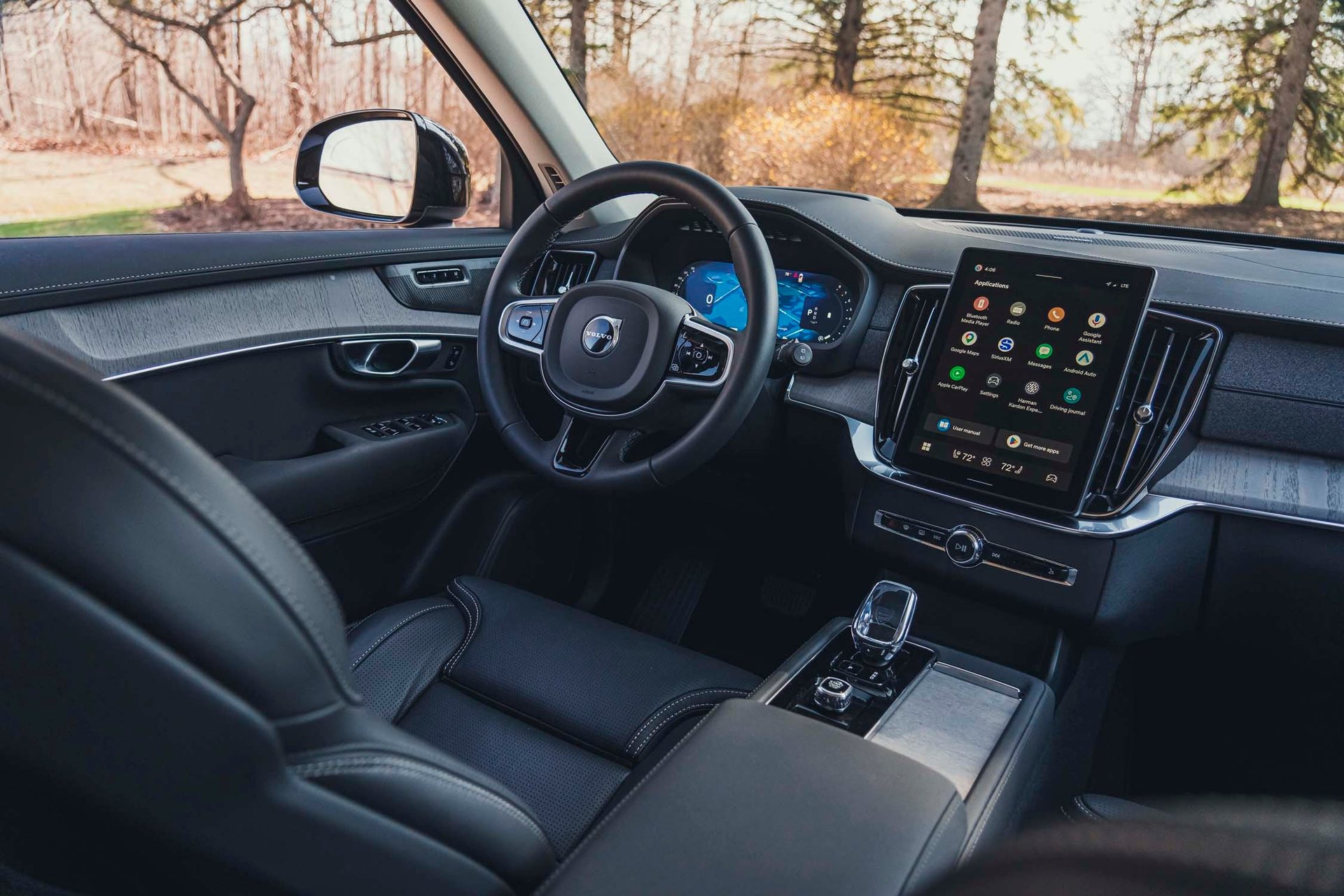
Volvo EX30: US Market Exit After Just One Year
Volvo's American retreat with the EX30 exposes the automaker's strategic contradictions. After positioning this compact SUV as its affordable electric entry point across the Atlantic, the Swedish manufacturer is quietly withdrawing the model from the American market as of 2026. A reversal that, beyond official justifications, raises troubling questions about the coherence of the brand's electrification positioning.
"We informed dealers on Friday that the EX30 will be discontinued after the 2026 model year" — Volvo Spokesperson to The Drive
This retreat is part of a broader American electric vehicle pullback. Ford reversed course on the F-150 Lightning, Hyundai scuttled the Ioniq 6, while Honda prefers canceling three launches rather than enduring commercial failures. The EX30 joins this procession of disappointments, a collateral casualty of an industrial strategy fatally miscalibrated.
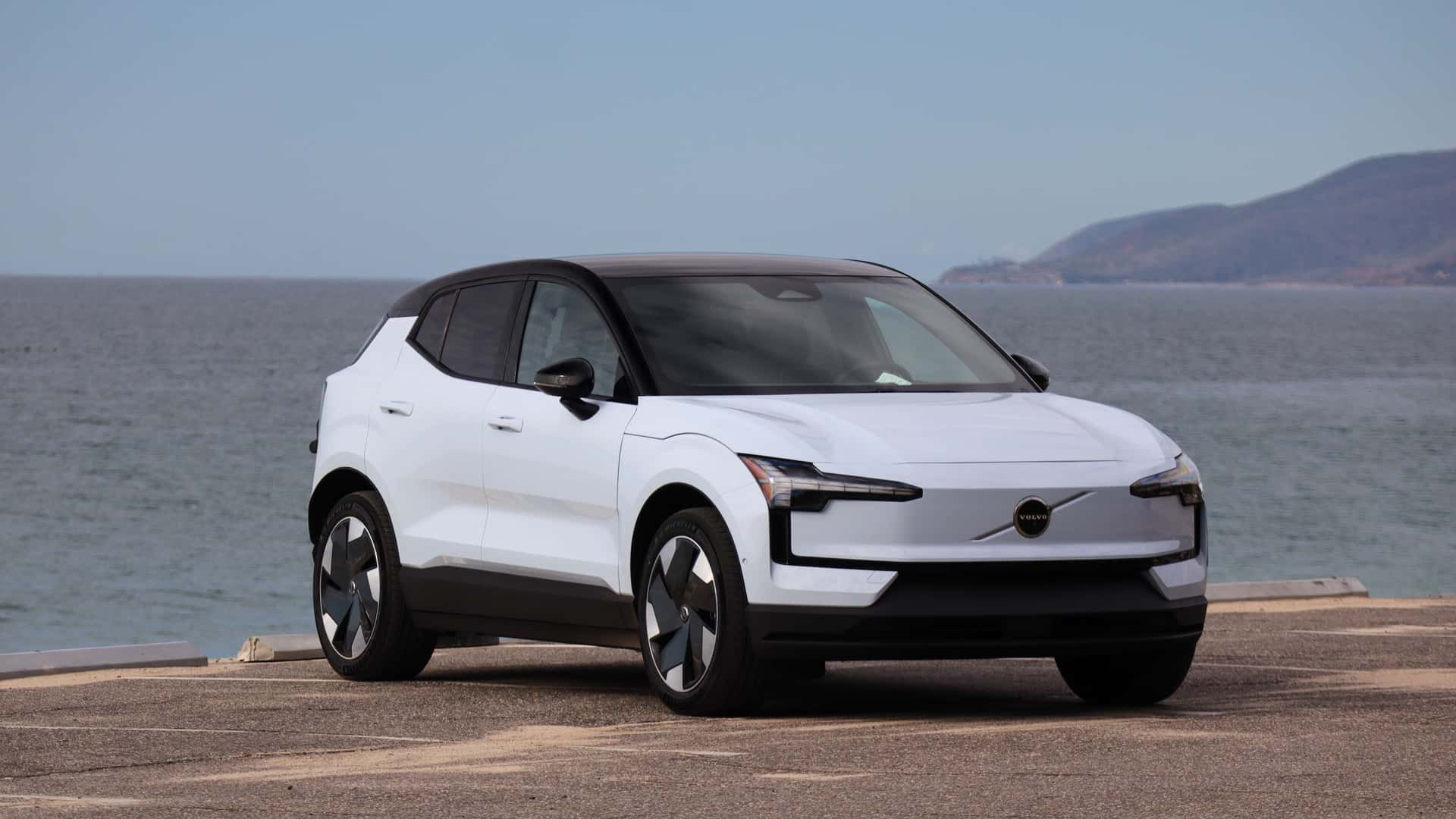
When Geopolitics Derails Product Strategy
The EX30's American saga reads like a textbook case of industrial management gone awry. Originally conceived at $35,000 to seduce budget-conscious premium customers, the compact crossover was slated to roll off Geely's Zhangjiakou factory in China—a decision perfectly aligned with the cost logic of Geely, Volvo's Chinese parent.
Washington's punitive 100% tariffs obliterated this elegant calculation. The hasty relocation to Volvo's Ghent factory in Belgium not only generated delays but transformed an entry-level product into an overpriced curiosity. According to our sources, this emergency relocation cost Volvo several hundred million euros in unforeseen investments and inflated production costs.
Swedish Quality in Free Fall
Beyond these pricing considerations, the EX30 exposed the limits of Geely's cherished accelerated industrialization. Field reports evoke a cascade of software malfunctions that would have mortified engineers from the Volvo-Ford era. Edmunds, rarely tender but typically measured, described its test example as "an absolute technological nightmare"—a formulation that, in the measured prose of the California publication, amounts to an indictment.
The battery recall affecting 40,000 units for fire risk further tarnishes a model intended to embody premium electric democratization. One might reasonably expect a vehicle bearing the Volvo nameplate to avoid unexpected pyrotechnic hazards.
The Orchestrated Exit Timeline
The withdrawal schedule betrays a carefully considered decision. Dealers have until March 20, 2026 to place final orders for the EX30 and EX30 Cross Country, with production halting after summer. This choreography suggests Volvo has anticipated this exit for months, allowing time to negotiate with its dealer network and orchestrate the announcement.
The model's retention in Canada and Mexico confirms the decision stems more from economic arbitrage than outright abandonment. In these less competitive markets, lower volumes apparently permit acceptable profitability.
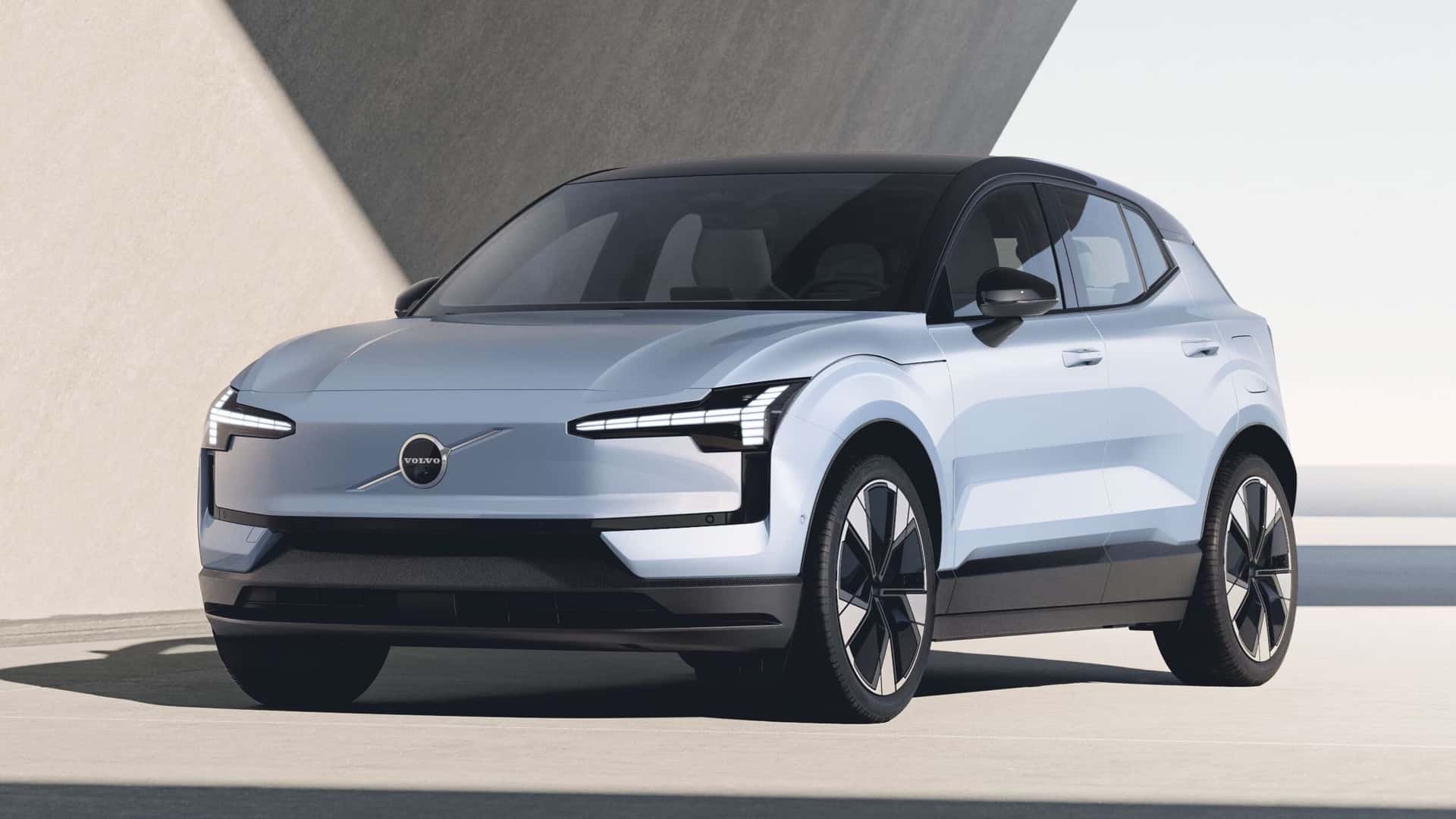
The Strategic Architecture Preserved
This tactical retreat doesn't—at least officially—compromise Volvo's American electric ambitions. The EX60 and EX90, positioned in segments where the Swedish brand commands historical credibility, remain in the lineup. The forthcoming EX60 and the 2026 EX90 embody that upmarket migration Volvo has mastered since its Ford years.
This hierarchical restructuring ultimately reveals more coherent strategy: rather than exhausting itself competing in the entry-level segment against Tesla Model Y and Hyundai Ioniq 5 variants, Volvo recenters on its ancestral terrain—Nordic premium.
Autopsy of a Programmed Failure
The EX30's abandonment illustrates the contradictions of an American electric industry in full restructuring. Contrary to the popular narrative about American resistance to electrification, reality points more toward the evaporation of federal incentives and regulatory loosening under the current administration.
In this relaxed environment, manufacturers recover their freedom to prune their catalogues. The EX30, its margins gutted by industrial surcharges and its bastard positioning between premium and accessible, presented a natural target for CFOs wielding the axe.
Volvo's evasive response regarding a hypothetical return—"we are continually evaluating"—speaks volumes. When a manufacturer cannot commit to a product's American future, the future has already been decided.

Written by
Sophie RenardSpecialist luxe, premium, sportive, sport auto, allemandes, reglementation, assurance, prix, ventes
Spécialiste du segment premium et luxe, Sophie couvre l'actualité des marques prestigieuses depuis 12 ans. Ancienne attachée de presse pour un cons...
View all articles (15)Read More
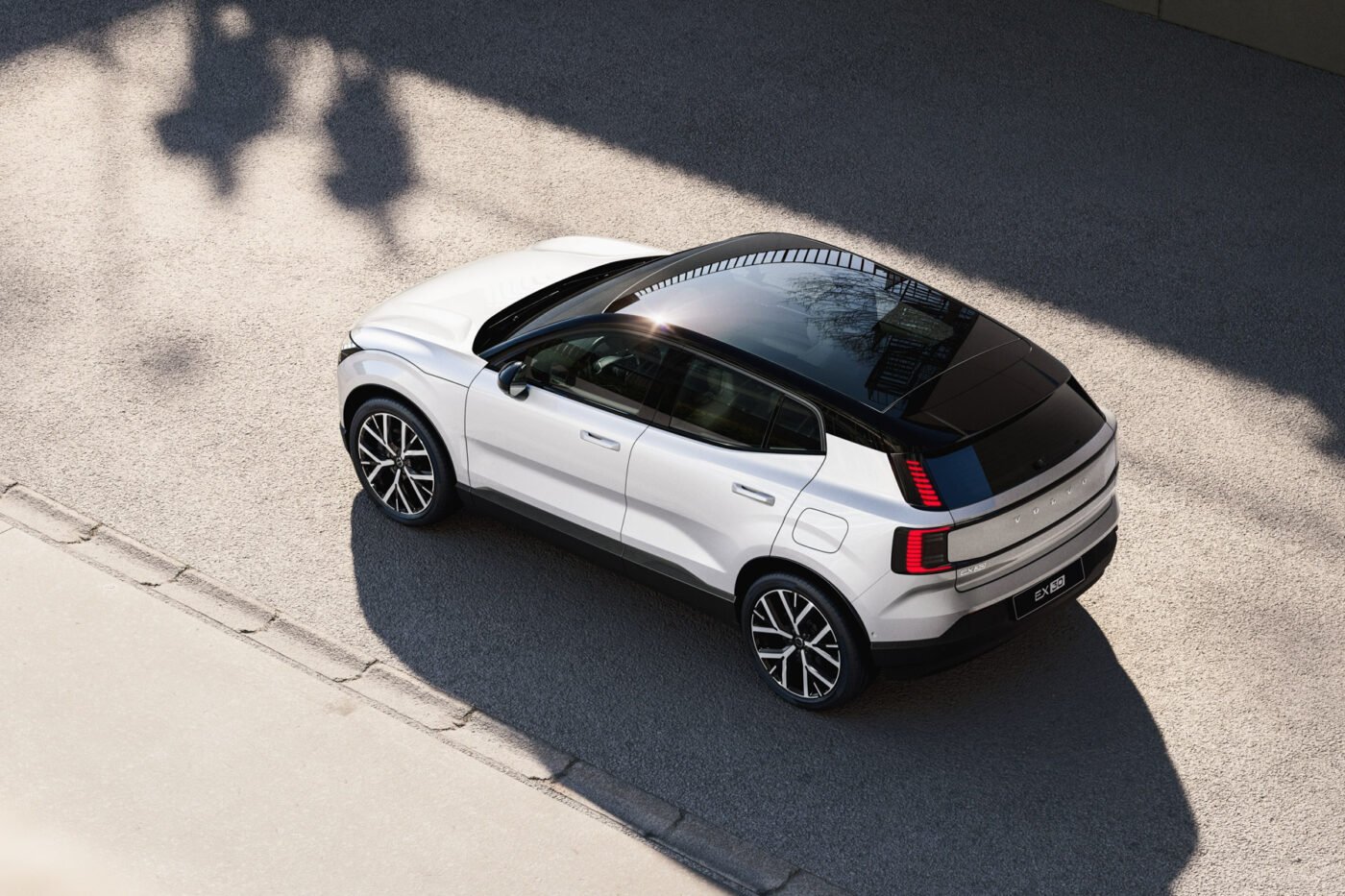
•Volvo EX30 Recall for Fire Risk and New Affordable Version
•2027 Volvo EX30: Price Under €35k & V2L Function
•Volvo EX30 Axed in US, Cargo Version Launched, Huge Price Gaps in Europe
•Volvo EX30 2026: New 148-hp engine and price cuts
•Volvo 5.0.5 software update arrives on 2.5 million cars