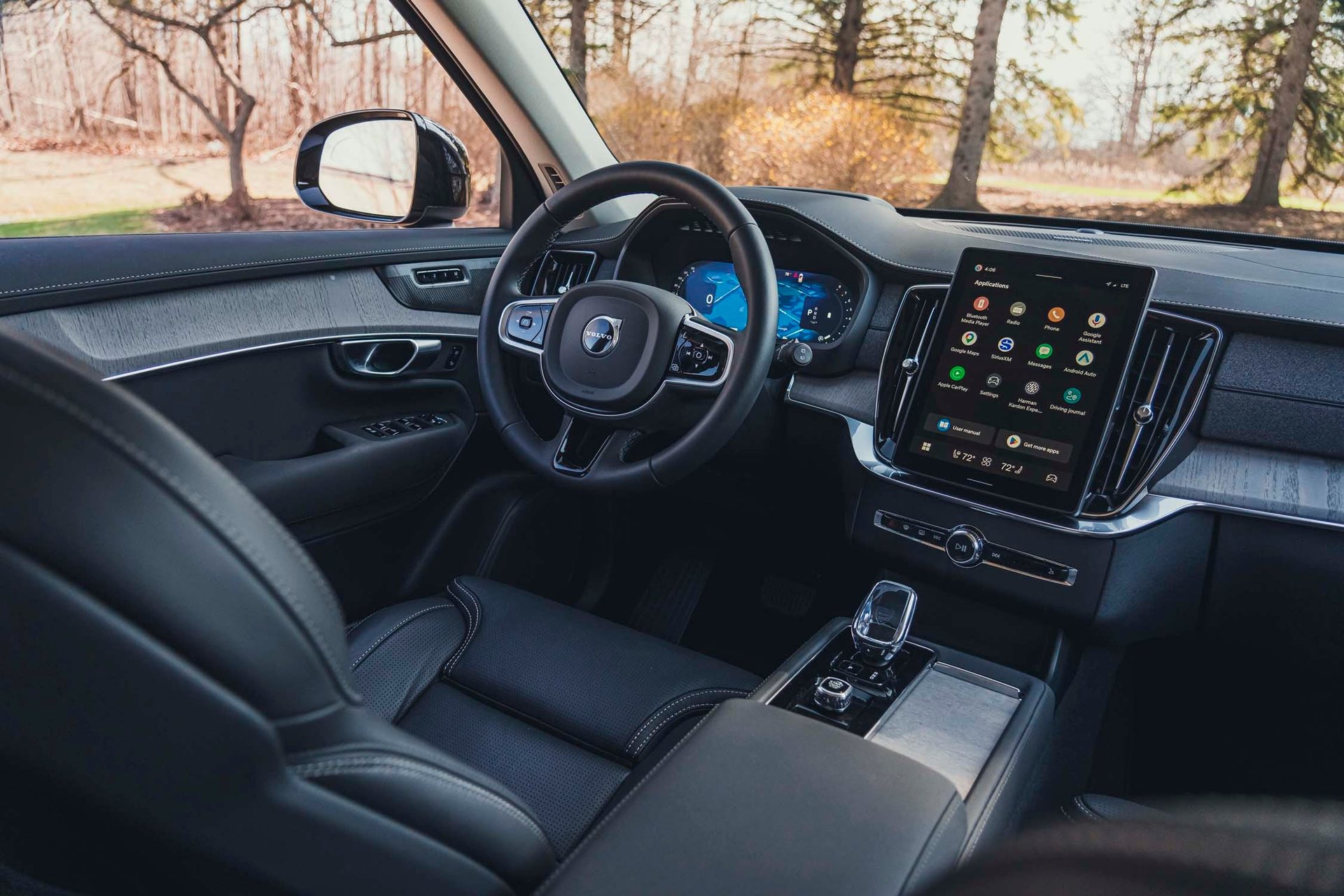
Volvo: EVs Cheaper Than Gas Cars in 5 Years
Volvo predicts electric cars will cost less than combustion models within five years. Håkan Samuelsson, CEO of the Swedish automaker, bases this optimism on falling battery prices and improved manufacturing processes. Unlike its competitors, Volvo claims it's already profitable on electric models.
"We're not paying to sell them, unlike other players who are selling at a loss to grab market share" — Håkan Samuelsson, Volvo CEO
Already Profitable Where Others Bleed Red
Volvo claims a rare position in the EV market: the Swedish automaker already turns a profit on 100% electric models. "We're not paying to sell them," insists Håkan Samuelsson, stressing that without these electric models, the company's overall volume and profits would be lower.
This statement stands in sharp contrast to many competitors who continue accumulating losses on their electric lineups. Margins admittedly remain thinner than on combustion vehicles, but at least they exist. This profitability allows Volvo to avoid fire-selling its EVs just to grab market share.
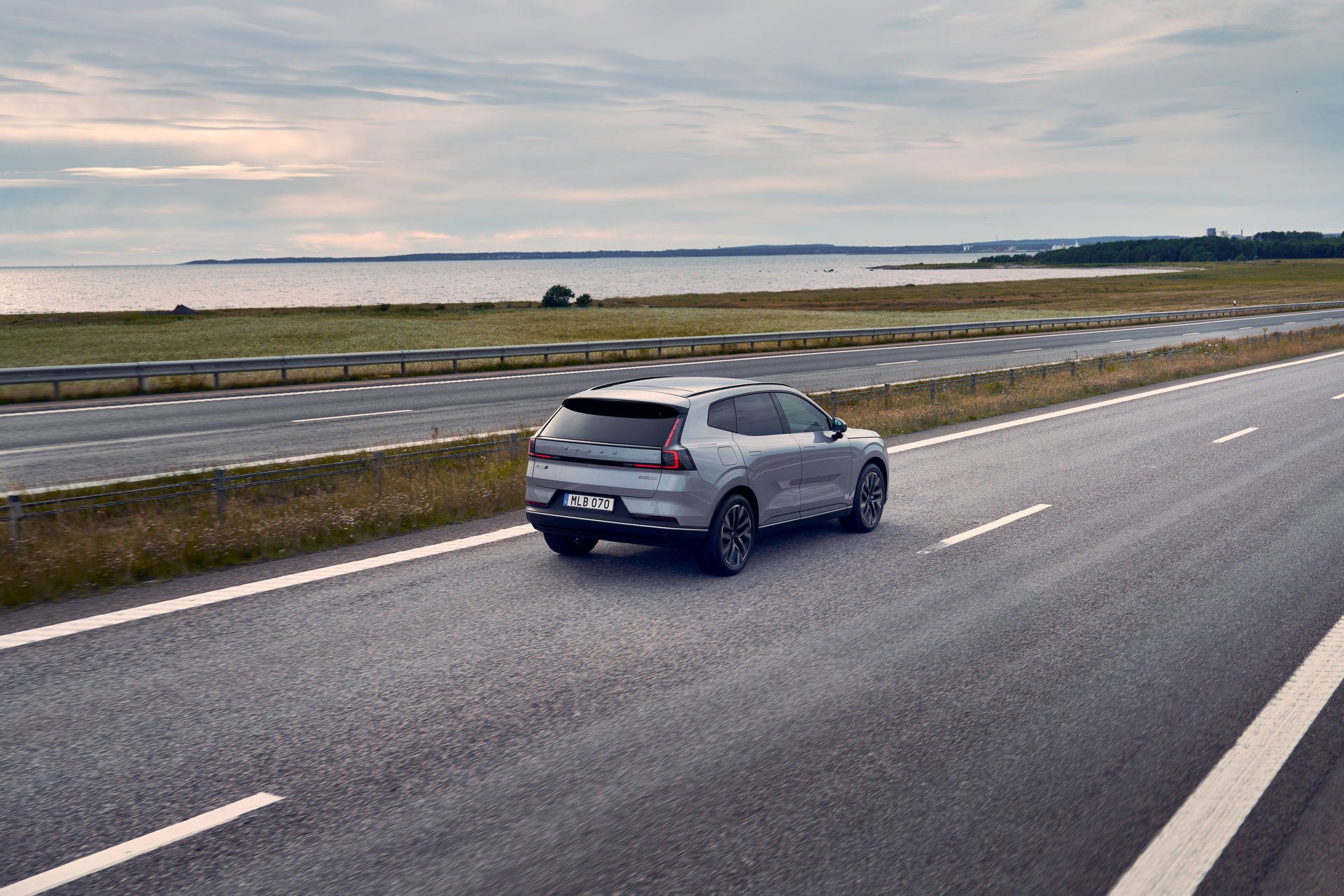
Batteries: The Linchpin of the Economics
The Swedish executive bases his optimism on two main levers. First: the programmed collapse in battery prices, which currently represent roughly 40% of an EV's total cost. Economies of scale and technological progress should rapidly rebalance the equation against combustion engines.
Improving manufacturing processes constitute the second lever. Volvo is banking on production optimization to slash per-unit costs. This strategy reflects a reality where the automaker has quietly relaxed its initial goal of an all-electric lineup by 2030.
Pragmatism Meets Market Reality
This strategic shift signals a dose of realism. Volvo acknowledges that the EV transition isn't decreed—it's built at the pace of charging infrastructure and actual customer appetite. A reality shared by countless automakers facing identical headwinds.
The Swedish group, controlled by China's Geely, is navigating rough waters. Recent financials show a net loss of 4 billion Swedish kronor (€360 million) for 2025, with shares down 22.5% on the Stockholm exchange.
How Geopolitical Tensions Reshape the Equation
Trade tensions complicate matters. Canada just slashed tariffs on Chinese EVs to 6.1% with an annual import cap of 49,000 units starting 2026. This forces Volvo to rethink its supply chains.
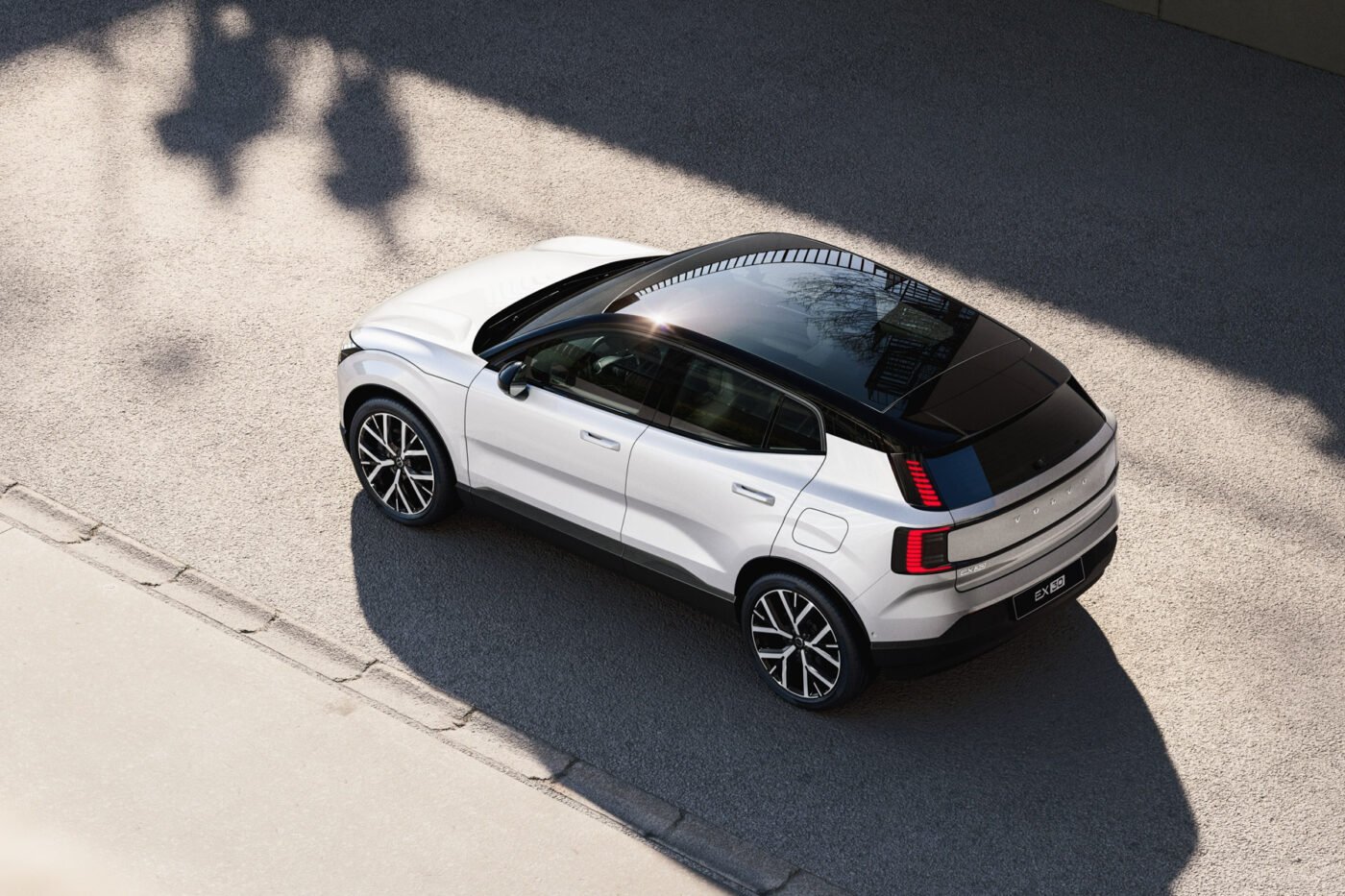
The automaker manufactures several electric models in China, including the EX30, EX40, and EM90. After Ottawa imposed a 100% tariff in October 2024, the company rerouted Canadian EX30 supply to its Ghent factory in Belgium. The Canadian starting price for the EX30 remained stable at $53,539 including fees.
A Projection Still Subject to Reality
Samuelsson's forecast rests on continuous technological and industrial progress. Whether this projection survives commodity price swings and geopolitical supply-chain chaos remains an open question. The next five years will tell if Volvo's CEO made a winning bet.
This race for price competitiveness sits within a broader struggle where Western automakers try to rival Chinese competitors—often blessed with lower production costs and massive scale advantages.
📚 Related Reading

Written by
Jules DuboisSpecialist électrique, hybride, batterie, recharge, autonomie, technologies, electrique, nouveaute
Journaliste automobile passionné par la mobilité électrique et les nouvelles technologies. Après 10 ans dans la presse spécialisée, Jules décrypte ...
View all articles (12)Read More
•Volvo EX30 Recall for Fire Risk and New Affordable Version
•Volvo 5.0.5 software update arrives on 2.5 million cars