Volvo EX30 Recall for Fire Risk and New Affordable Version
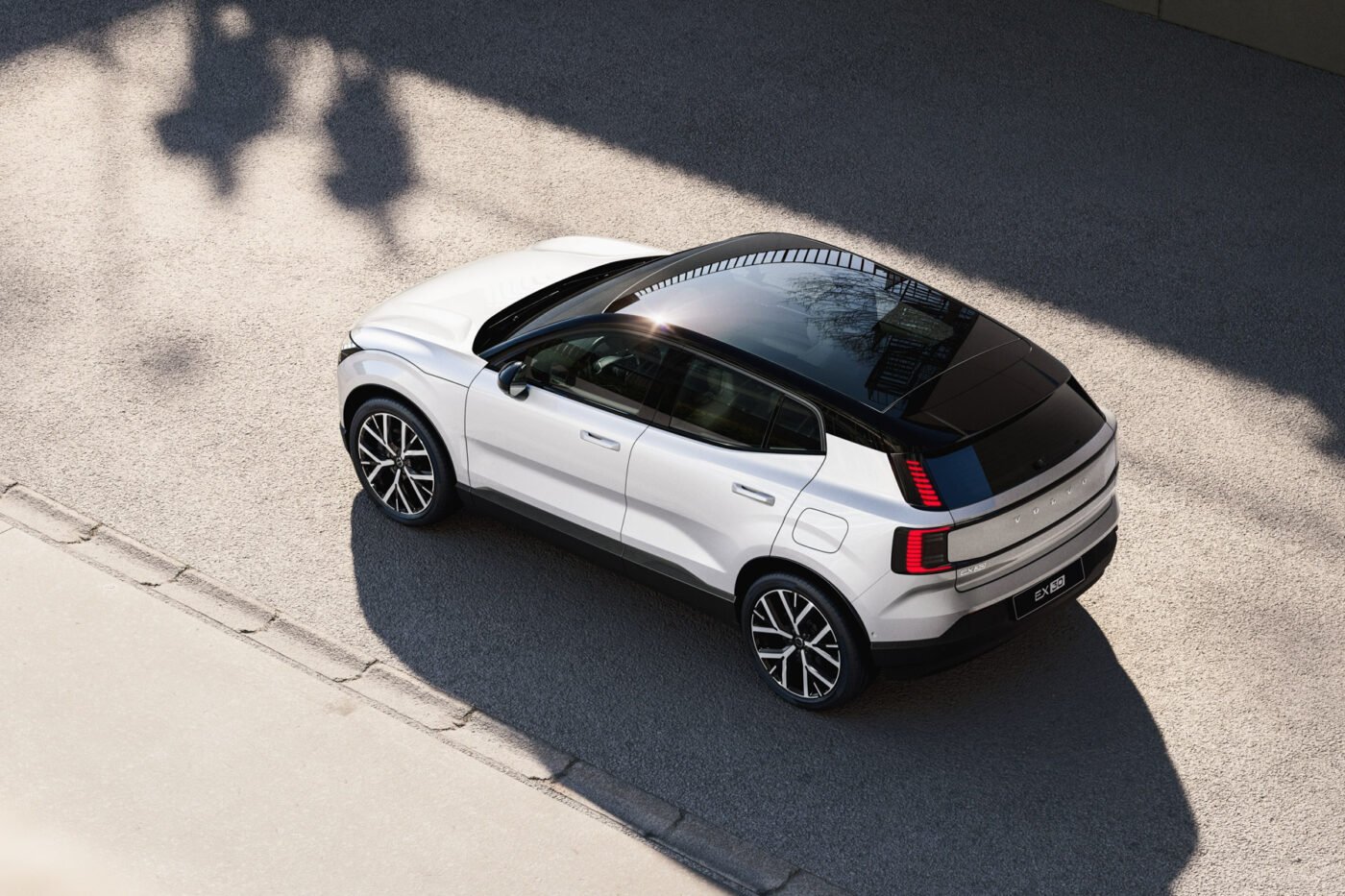
It's been a busy week for the EX30. On one hand, Volvo announces the recall of 40,323 units worldwide due to a high-voltage battery fire risk—a campaign estimated at $195 million. On the other, the Swedish manufacturer uses the 2026 model year to launch an entry-level version with 110 kW (150 hp) and a 51 kWh battery, priced under €39,100. Good news and bad news on the same day, then.
"In worst-case scenarios, the battery can overheat when charged to a high level. This can cause a fire." — Volvo Cars, statement to Motor1, February 2026
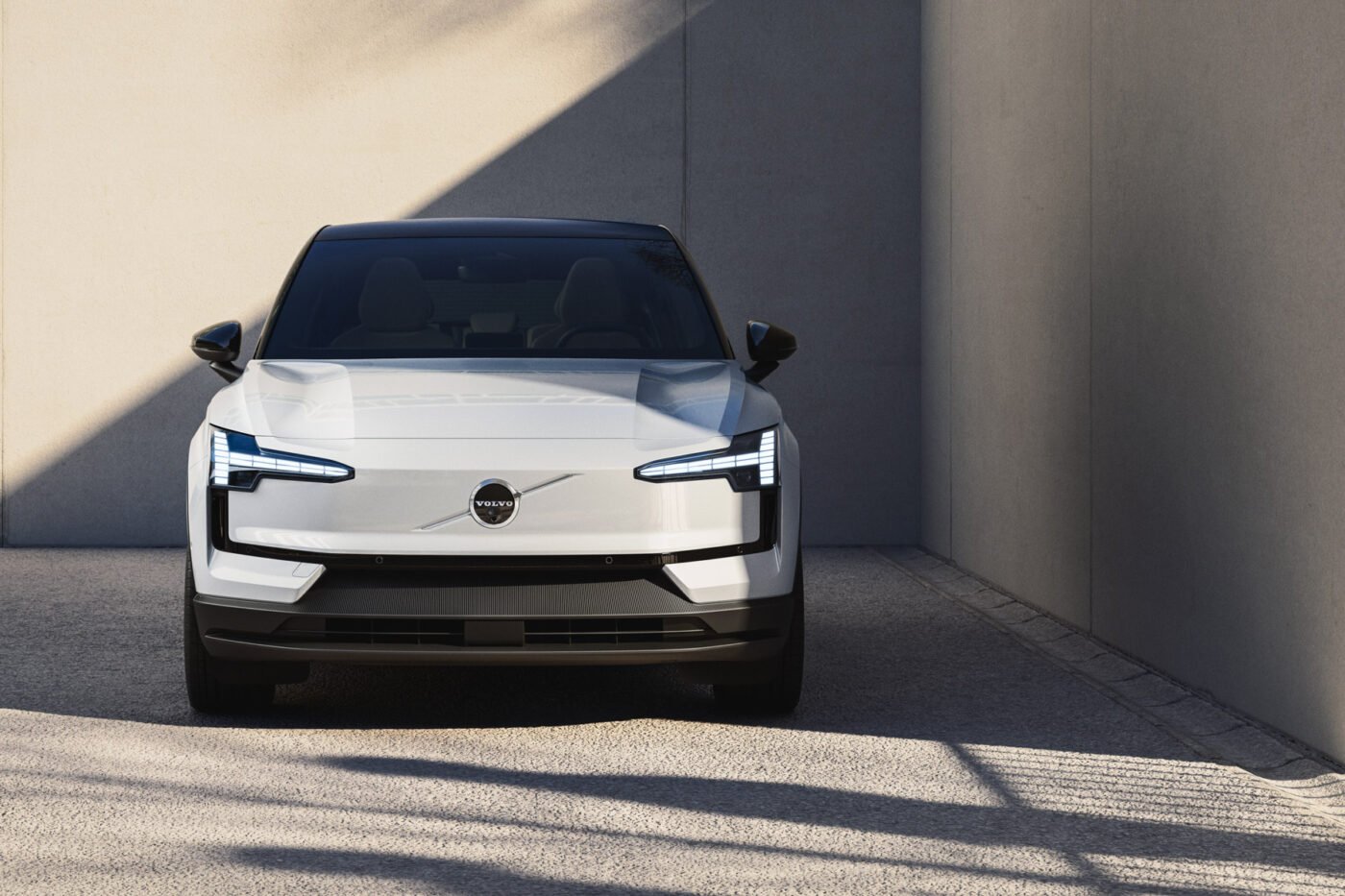
40,323 EX30s Recalled: What's Really Happening
The issue has been identified since at least December 2025. Volvo was already quietly contacting customers in over a dozen countries—the US, Australia, Brazil notably—asking them to limit charging to 70% and park their cars away from buildings and other vehicles. Suffice it to say, the instruction doesn't lack implications about the nature of the risk.
The affected versions are the EX30 Single-Motor Extended Range and Twin-Motor Performance. Their common denominator: the batteries are manufactured by Shandong Geely Sunwoda Power Battery Co., a joint venture linked to Geely, Volvo's Chinese parent company. According to documents filed with the NHTSA in the US (relayed by EcoloAuto), the defect stems from a faulty manufacturing process leading to lithium plating inside the cells, creating a risk of internal short circuit.
An internal short circuit in a lithium-ion battery is precisely the kind of event that can trigger thermal runaway. The "battery overheating" warning message appears on the screen, but a fire can theoretically occur even when the vehicle is parked and switched off.
The definitive solution involves replacing the defective modules in the battery packs—not a simple software update. According to analysts cited by Reuters, the total bill could reach $195 million (about €200 million), roughly €5,000 per vehicle. Volvo's stock indeed fell about 4% after the announcement. Volvo states that Geely Sunwoda has corrected the manufacturing issue and will supply the new cells. Entrusting the replacement to the same supplier that produced the defective parts... that's a choice.
Note: No vehicles sold in France are affected. The recall mainly impacts the US market (189 units officially declared to the NHTSA), Canada (85 units), and other markets outside Western Europe.
A Fire in Brazil Had Already Raised Eyebrows
This recall didn't come out of nowhere. A few months before the official announcement, an EX30 caught fire at a dealership in Maceió, Brazil. The exact causes were never officially confirmed as linked to this manufacturing defect, but the incident had fueled concerns. The affected vehicles have manufacturing dates ranging from September 6, 2024, to October 25, 2025, according to NHTSA documents.
The 110 kW P3 Version: The Same Engine, De-tuned
Meanwhile, Volvo is trying to advance the commercial side with a new variant called P3 electric in the 2026 nomenclature. The mechanics are revealing: according to InsideEVs DE, it's the same physical motor as the 200 kW P5 version, but with power reduced by limiting the rotation speed to 3,000 rpm instead of 5,450 rpm for the full-power version. Torque, however, remains identical: 343 Nm. Result: consumption and range are strictly identical between the two versions with the 49 kWh battery—that is, 324 to 339 km WLTP.
📋 Fiche technique

Written by
Jules DuboisSpecialist électrique, hybride, batterie, recharge, autonomie, technologies, electrique, nouveaute
Journaliste automobile passionné par la mobilité électrique et les nouvelles technologies. Après 10 ans dans la presse spécialisée, Jules décrypte ...
View all articles (12)Read More
•2027 Volvo EX30: Price Under €35k & V2L Function
•Volvo EX30 Axed in US, Cargo Version Launched, Huge Price Gaps in Europe
•Volvo EX30: US Market Exit After Just One Year
•Volvo EX30 2026: New 148-hp engine and price cuts
•Volvo 5.0.5 software update arrives on 2.5 million cars