Toyota Opens Second European Auto Recycling Plant in Poland
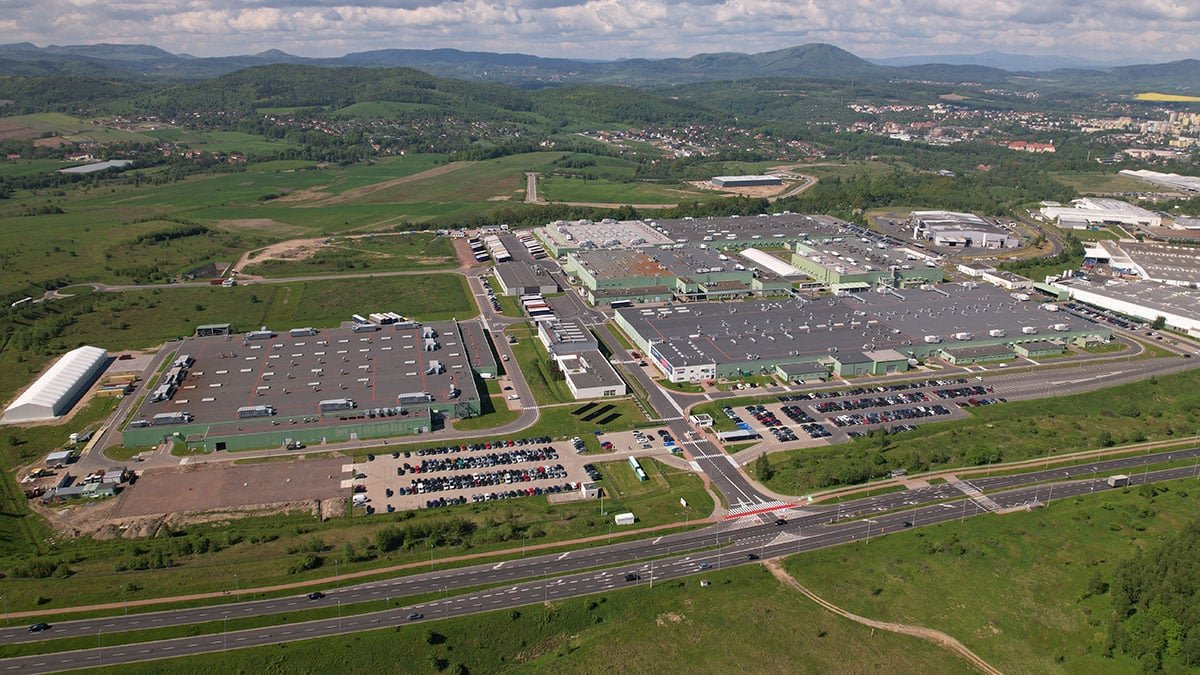
Toyota is opening its second recycling plant in Europe: the Polish facility in Walbrzych will process 20,000 end-of-life vehicles annually across 25,000 m². This installation fits into the Japanese manufacturer's carbon neutrality strategy and complements the British site that opened in 2025.
"We chose Poland for the strong market potential in end-of-life vehicle supply, its upstream and downstream recycling operations, and the presence of our already-established production infrastructure" — Leon van der Merwe, Vice President, Toyota Motor Europe
A European Strategy Taking Shape
Toyota Motor Europe is betting on the circular economy with this second specialized facility following Burnaston in the United Kingdom. The Polish site will serve as a laboratory to refine disassembly techniques and material recovery methods. The choice of Walbrzych is no accident: Toyota already produces components there for its gasoline and hybrid powertrains.
This industrial logic relies on the "3R" principles: reduce, reuse, recycle. Every vehicle reaching end-of-life becomes a resource mine to feed European production chains. An approach that reduces dependence on virgin raw materials.
What Happens to Recovered Parts?
Still-functional components undergo meticulous sorting. Batteries, wheels, and technical parts are evaluated to determine their reuse or reconditioning potential. Strategic materials like copper, steel, aluminum, and plastics are extracted and reintroduced into new vehicle production.
This recovery chain reduces the carbon footprint tied to raw material extraction and processing. Toyota sees it as "a catalyst and lever for carbon neutrality," in the company's terms.
A Developing European Market
The Japanese initiative fits into a broader trend. Renault opened a similar site in Flins (78), Volkswagen operates in Zwickau, Germany, while Stellantis is rolling out recycling activities in Mirafiori, Italy. This surge in automotive recycling responds to new European regulatory requirements.
The choice of Poland is also explained by the density of aging vehicles in the region. The country offers a substantial supply of end-of-life vehicles to feed the 25,000 m² facility regularly.
What Further Investments Are Planned?
Toyota isn't stopping here. Leon van der Merwe mentions "similar investments in other European markets in the coming years." The manufacturer is testing its industrial model before rolling it out to other countries.
This phased deployment strategy allows the company to adjust processes and optimize profitability before multiplying sites. Experience gained at Burnaston since 2025 directly informs the Polish operation.
A Model That Works
Automotive circular economy represents a growing market. Manufacturers find dual opportunity here: reducing production costs while improving their environmental footprint. Toyota transforms regulatory constraint into competitive advantage.
The Walbrzych plant will employ teams specialized in disassembly and material sorting. These technical skills represent know-how Toyota plans to export to other European markets.
The annual capacity of 20,000 vehicles places this site among Europe's most significant facilities in this field. Sizing that shows the ambition of the Japanese group in the automotive recycling segment.
📚 Related Reading

Written by
Jules DuboisSpecialist électrique, hybride, batterie, recharge, autonomie, technologies, electrique, nouveaute
Journaliste automobile passionné par la mobilité électrique et les nouvelles technologies. Après 10 ans dans la presse spécialisée, Jules décrypte ...
View all articles (12)Read More
•Volkswagen ID. Polo 2026: VW's Electric Revolution Arrives
•Volkswagen ID. Polo from €25,000: Pricing for New Affordable EVs
•Toyota's Total Offensive: Electric, Hybrid, and V12 Luxury
•Toyota Corolla vs GR Yaris: From Cult Compact to Rally Legend
•2027 Toyota Highlander Goes All-Electric with 515 km Range
•2026 Toyota RAV4 Goes Full Hybrid From €46,450, Corolla Cross Gains Ground