Volkswagen ID. Polo 2026: VW's Electric Revolution Arrives
Volkswagen unveiled the ID. Polo on April 30, 2026 in Paris, at the Palais de Tokyo. The electric city car rides on the MEB A0 platform and measures 4.05 meters in length, with a 435-liter trunk. In its wake, the ID. Cross, a raised version of the same base, is announced for fall 2026 starting at 28,000 euros.
"The trunk volume reaches 475 liters with 22 liters of frunk up front, more than many compact cars." — Volkswagen, ID. Cross technical data
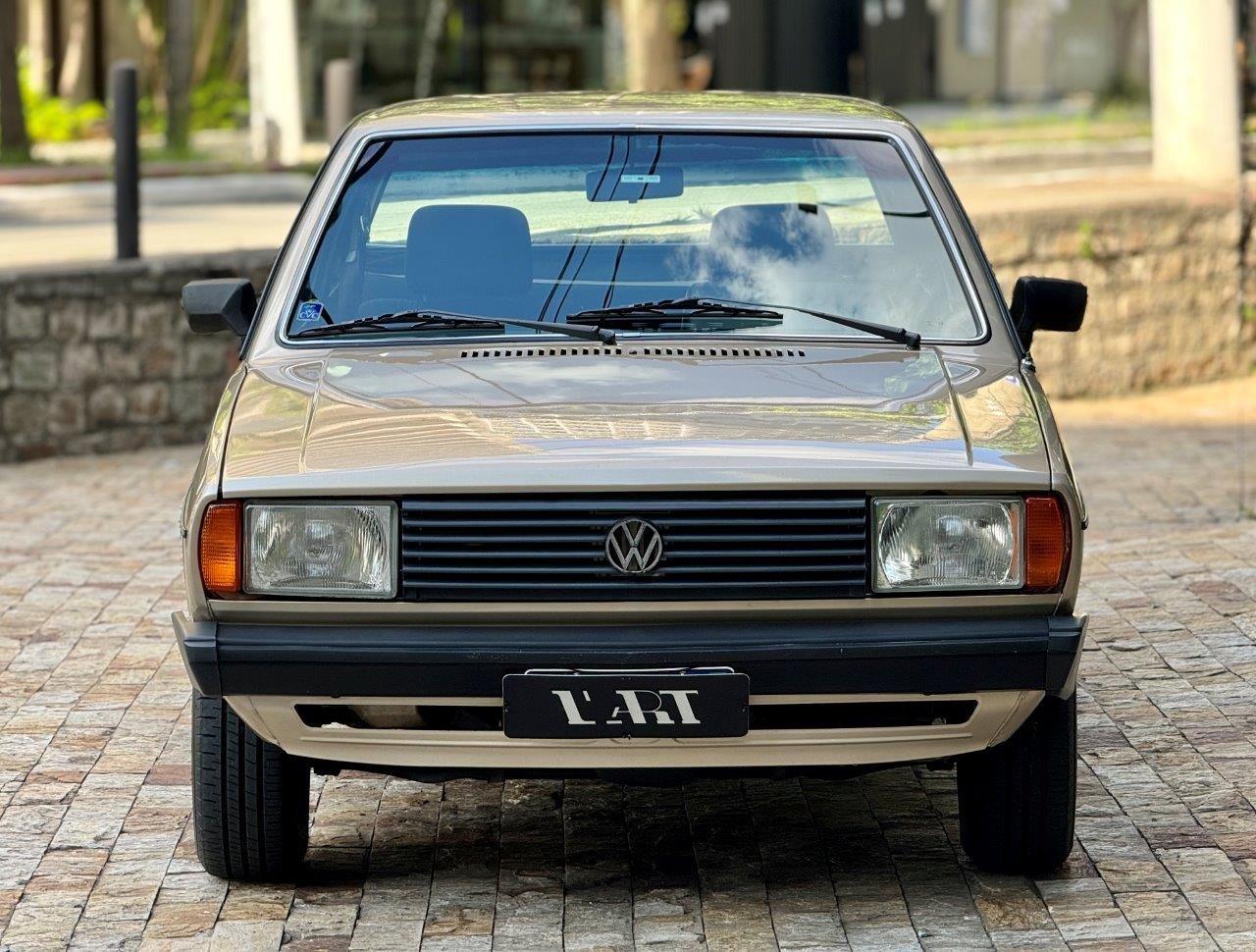
: discover a nostalgic journey aboard a 1983 VW Polo, a retro classic blending vintage charm and unique adventure.
The Polo is 40 Years Ahead of Itself
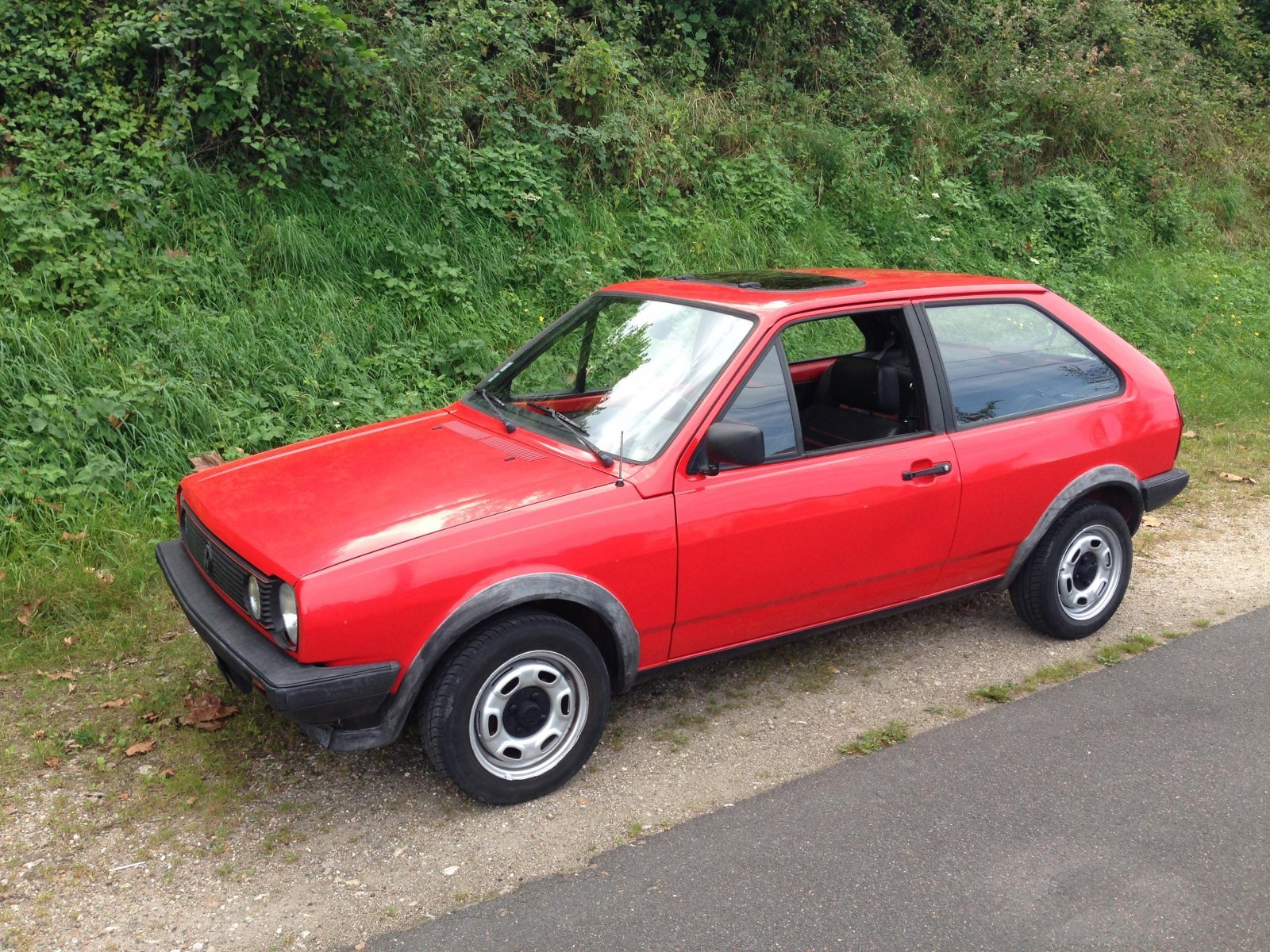
In 1983, Volkswagen marketed the Polo Formel E, a small 4-cylinder with 1.1 liters and 50 hp equipped with a "3 + E" manual gearbox — an extra long gear for economical highway cruising. It did 0 to 100 km/h in 15.4 seconds and measured 3.65 meters. The obsession with fuel consumption is nothing new at Volkswagen: it dates back to the Reagan era.
Forty years later, the recipe remains the same — a small, efficient, accessible car without fuss — but the execution changes radically. The ID. Polo replaces gasoline with a battery, keeps the compact dimensions, and tries to retain the "normal car" DNA that made the combustion model successful.
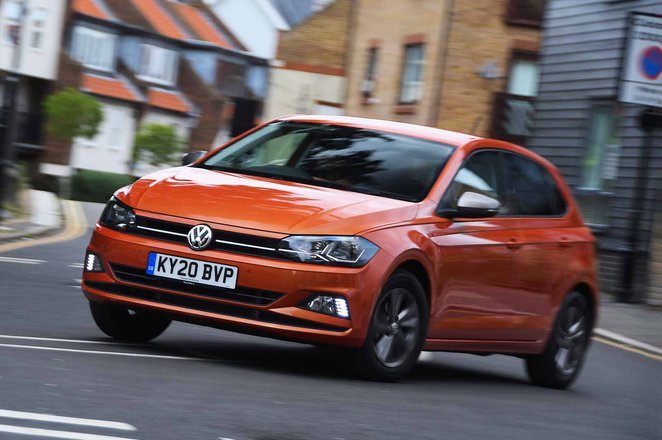
: Used Volkswagen Polo 2018-present front cornering orange
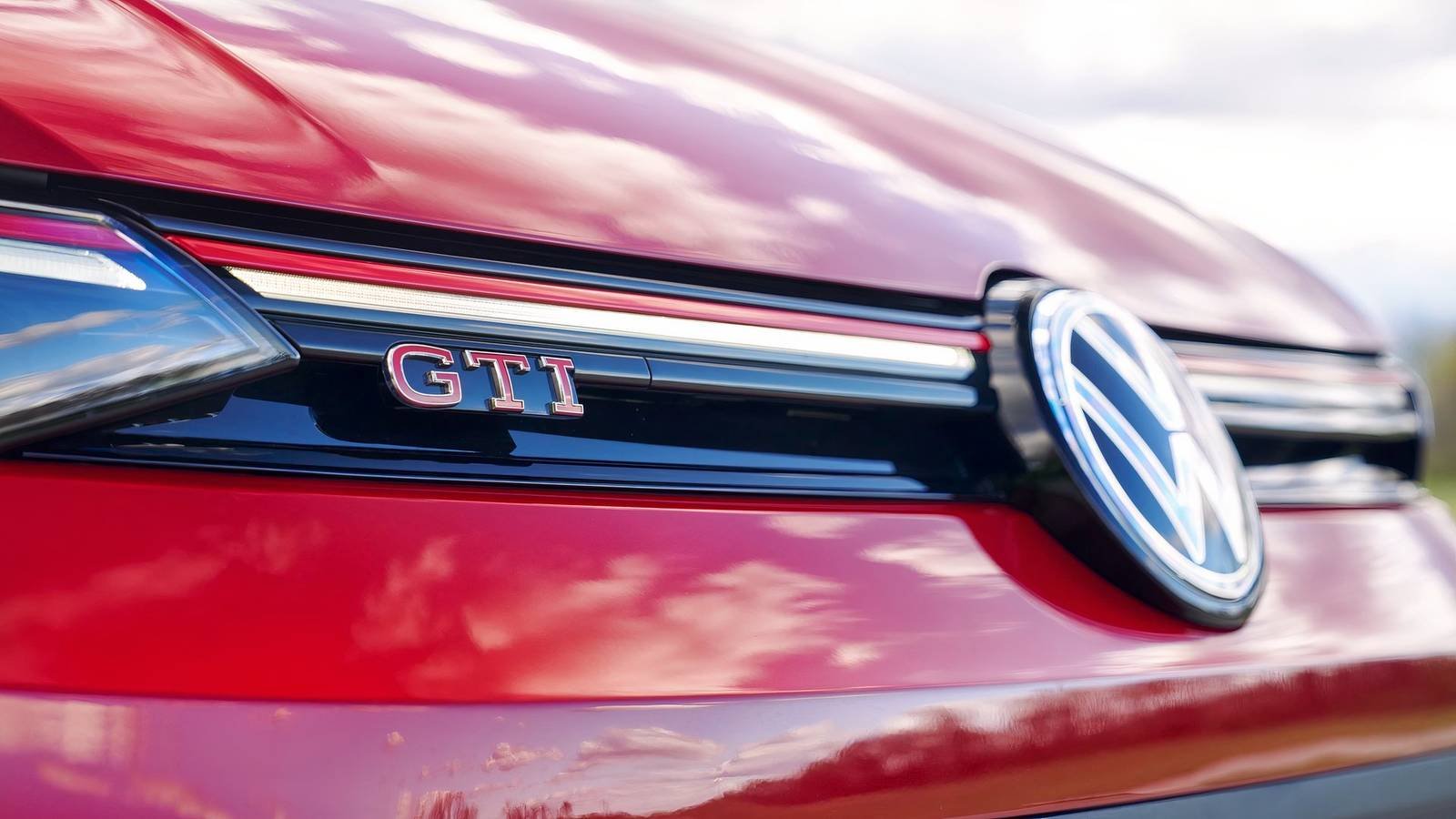
The current combustion Polo (Gen 6, since 2018) remains a good car, according to WhatCar, with a refined interior, decent ride comfort, and a range of engines from 64 hp to 197 hp for the GTI. It has its qualities. But with the arrival of the ID. Polo, its position in the VW lineup becomes more delicate.
What the ID. Polo Can Really Do
The ID. Polo was officially presented on April 30, 2026, during a European world premiere in Paris. On paper, the numbers are consistent for the segment.
4.05 meters long, 2.60 meters wheelbase. Trunk at 435 liters in standard use, 1,243 liters with seats folded. For comparison, a current combustion Polo doesn't offer this volume — the electric architecture frees up space under the floor. Two batteries are available: 37 kWh and 52 kWh. Volkswagen has not yet communicated official WLTP ranges at the time of writing.
On design, the "Pure Positive" language by Andreas Mindt gives a readable car, without forced originality. The rear lights stretch across the entire width of the tailgate, the grille is closed, the volumes are clean. It's a Volkswagen, not a futuristic concept. After the ID.3's troubles — deemed too far from the Golf and leaving some customers with Tesla or Renault — returning to something recognizable is a survival decision as much as a style one.
On ergonomics, good news: physical buttons are back. Volkswagen has reinstated a real climate control console, four window switches, and steering wheel buttons that are no longer touch-sensitive. Caradisiac, during a hands-on with the ID. Cross (same base), also notes a 10-inch instrument screen with a GPS map and old-school gauges.
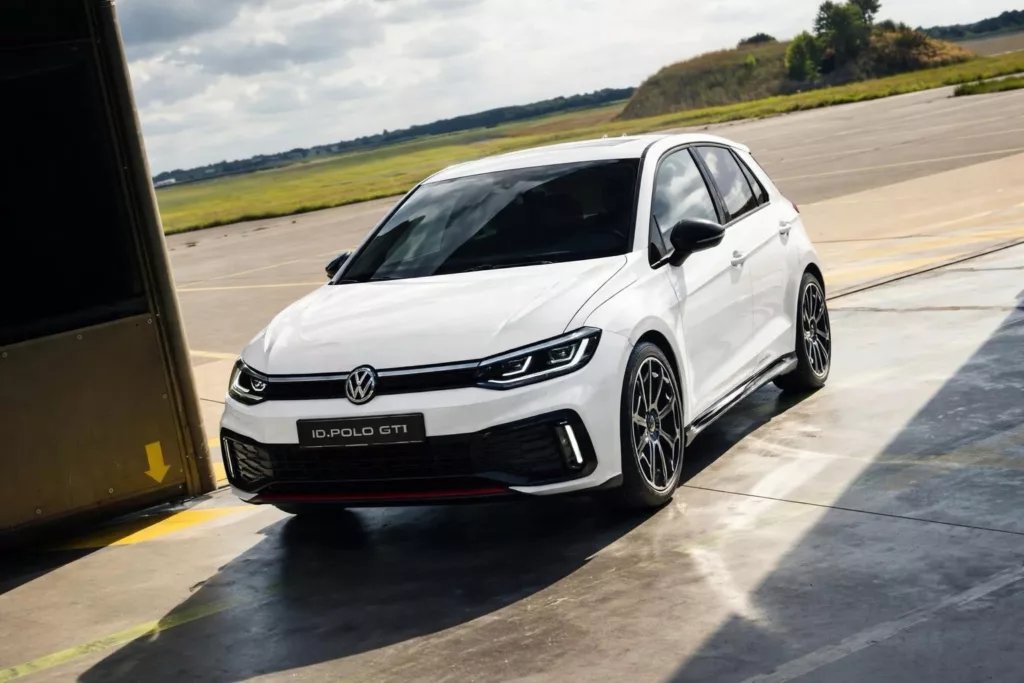
: Volkswagen ID.Polo 2026
📋 Fiche technique
At What Price and Against Whom?
The ID. Cross, the raised version of the same platform, starts at around 28,000 euros according to Journalauto — that's 1,990 euros less than the Renault 4 E-Tech, whose entry-level with a 40 kWh battery starts at 29,990 euros. It's a positioning designed to attack Renault directly on its home turf.
For the strict ID. Polo (sedan),

Written by
Jules DuboisSpecialist électrique, hybride, batterie, recharge, autonomie, technologies, electrique, nouveaute
Journaliste automobile passionné par la mobilité électrique et les nouvelles technologies. Après 10 ans dans la presse spécialisée, Jules décrypte ...
View all articles (12)Read More
•Volkswagen ID. Polo from €25,000: Pricing for New Affordable EVs
•Toyota Opens Second European Auto Recycling Plant in Poland
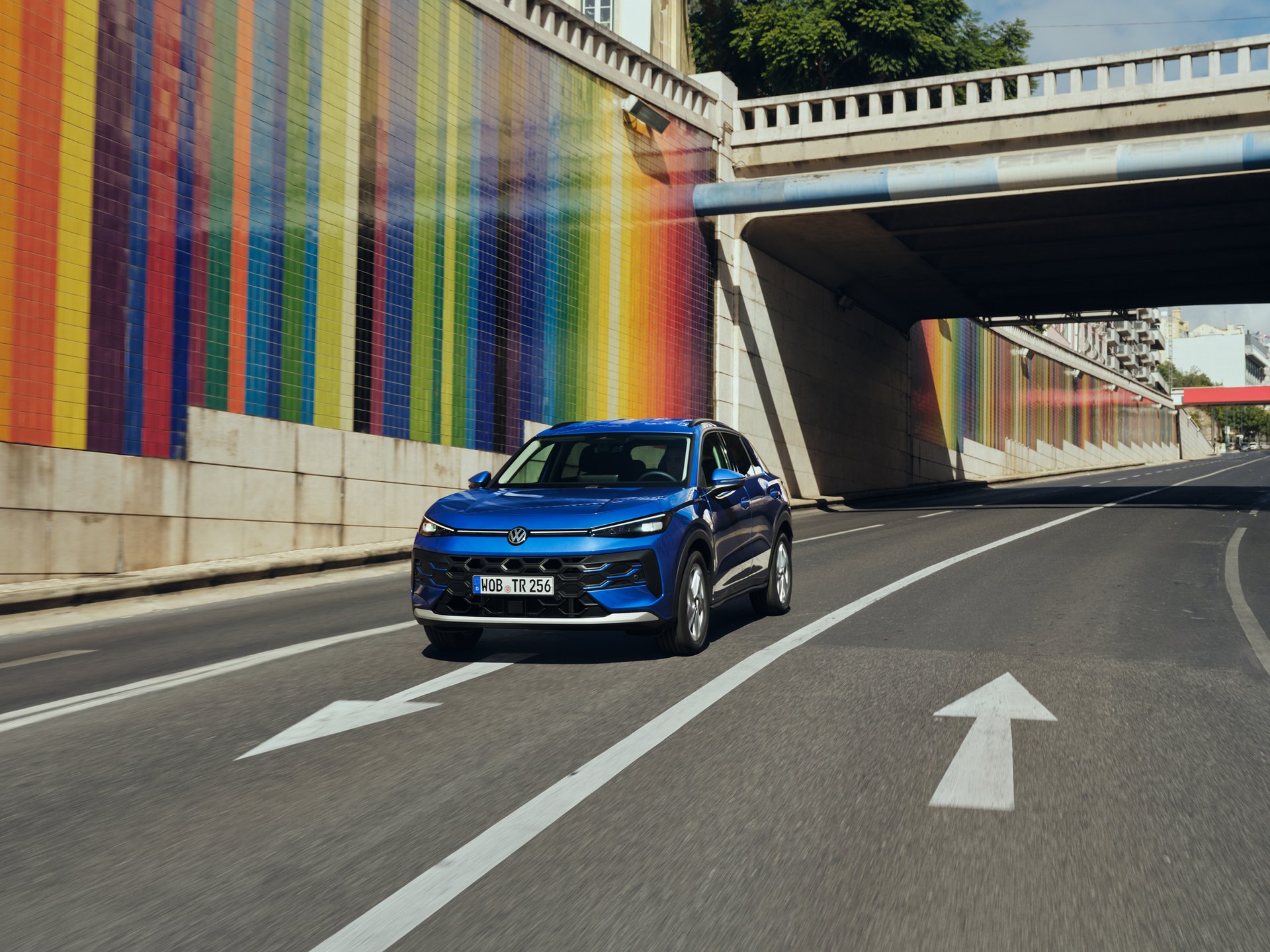
•2026 Volkswagen T-Roc & T-Cross: Test, Price, and R Version
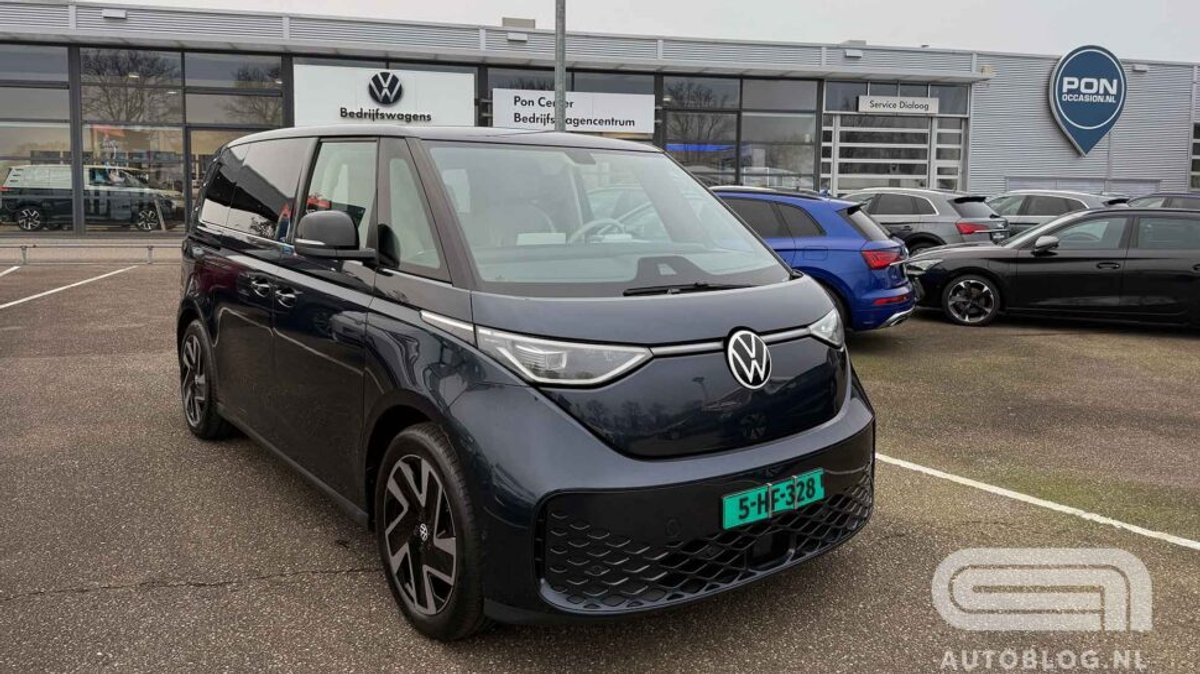
•VW ID. Buzz Autonomous: Preproduction Launch, Pricing, and 2025 Innovations
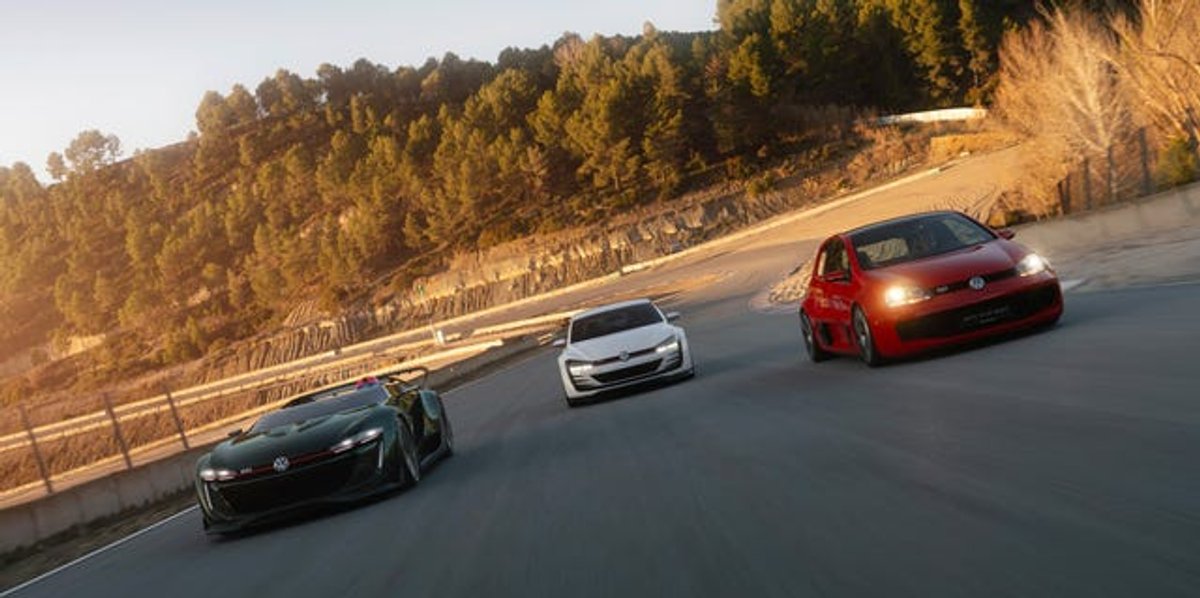
•Volkswagen GTI at 50: Concepts That Never Made It
•Volkswagen 2026: ID.4 Renamed, Golf Holds Strong, New Electric SUV
•Volkswagen Golf GTI: 50 Years of History, Wild Concepts, and an Electric Future
•Volkswagen Hits 2 Million EVs, Refreshes ID Lineup