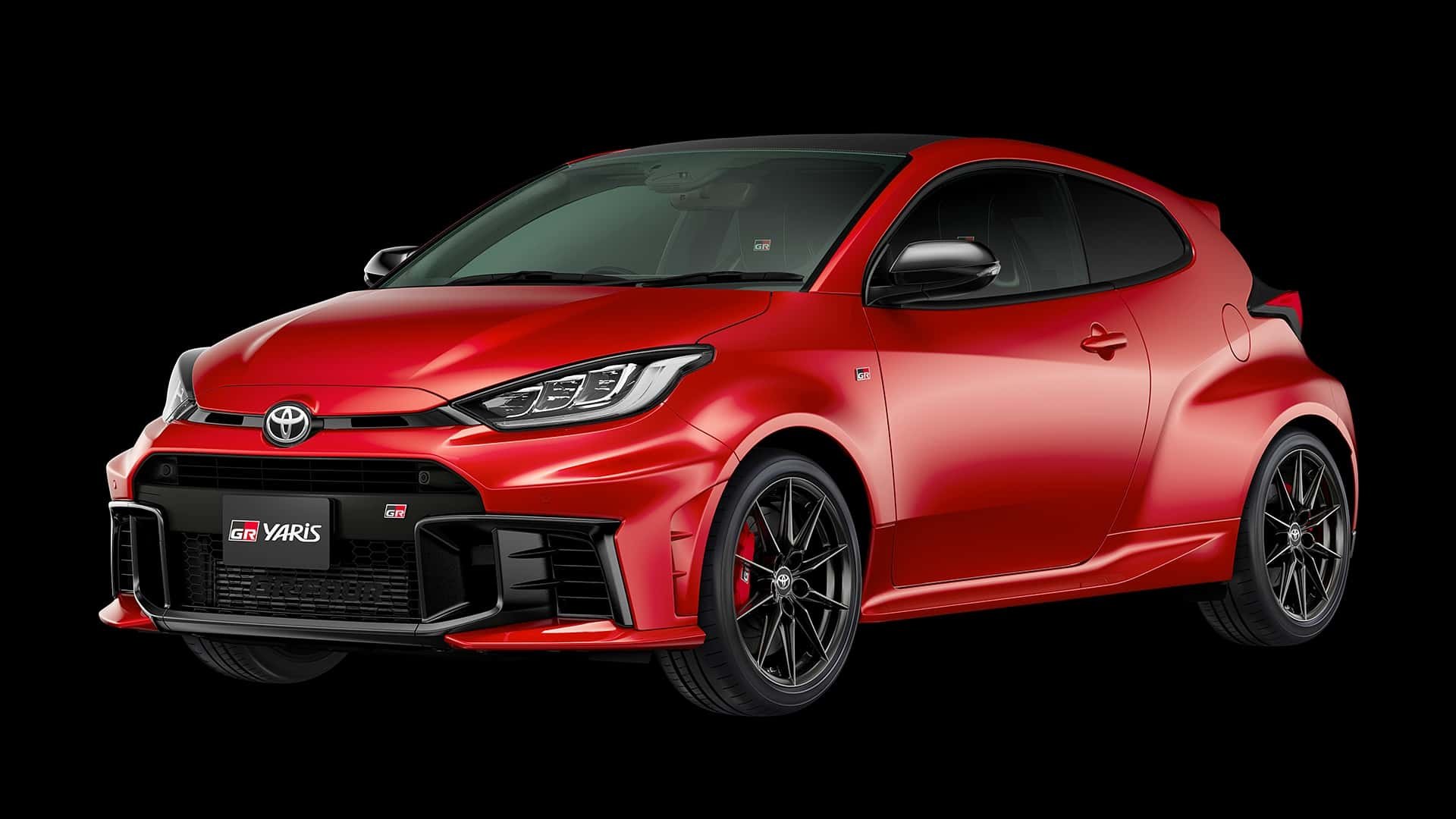
Toyota MR2 vs BMW Z4: Sports Roadster Showdown 2026
Toyota keeps wavering on its future MR2 plans, while BMW crushes the competition with its Z4 M40i delivering a ruthless value proposition. The Japanese sports car could arrive hybridized around 2028-2030, but Toyota is currently prioritizing affordable combustion powertrains.
"A real sports car must smell like gasoline and make noise" — Akio Toyoda, Toyota CEO
The MR2 has been the subject of endless speculation for years. Toyota keeps churning out prototypes and statements of intent, but no firm launch date surfaces. Latest rumors suggest a 400-horsepower engine with all-wheel drive, though the project still seems fuzzy in the Japanese leadership's mind.
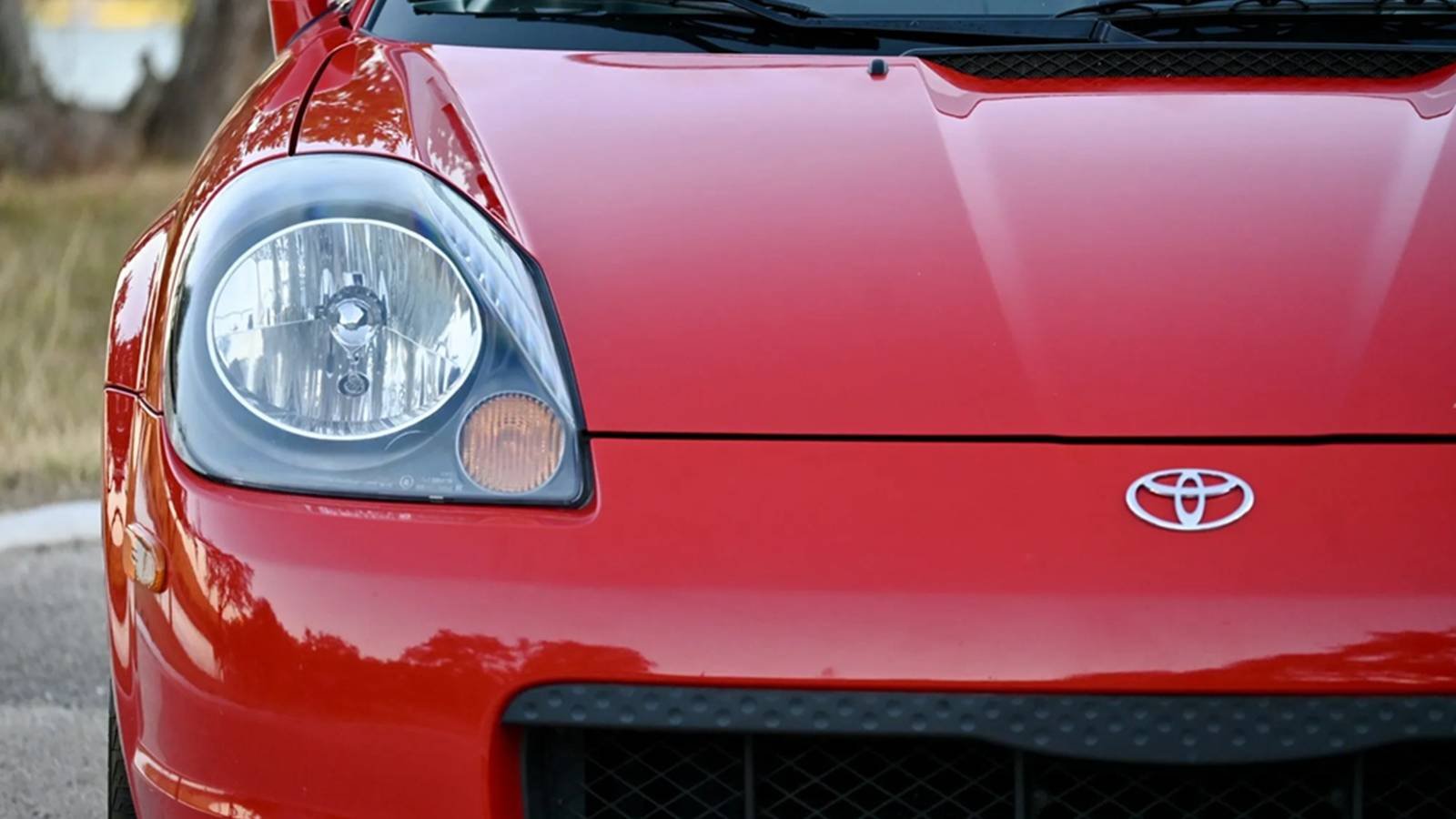
Meanwhile, BMW capitalizes on nostalgia for thermal-powered roadsters. The Z4 M40i has become the segment's reference point with its 3.0-liter turbo pumping 340 horsepower that launches the car from 0 to 100 km/h in 4.5 seconds. Used prices remain attractive: a 2024 example with just 16,150 km negotiates a €20,000 discount against new.
Toyota Betting on Hybrid Over Full Electric
The Japanese automaker recently put its 100% electric sports car project on ice—the one based on the FT-Se concept. Akio Toyoda owns his position: real sports cars need thermal soul. This philosophy explains why the future MR2 might adopt hybrid power instead of going full EV.
Engineers are working on an EREV (Extended Range Electric Vehicle) architecture that would combine lightweight battery with a thermal engine as generator. This solution could preserve the featherweight reputation that made the old MR2 legendary, while respecting future environmental standards.
When Will the New MR2 Actually Arrive?
Toyota has issued no official calendar. Optimistic rumors mention 2028, but reality probably leans toward 2030. The automaker prefers refining its concept rather than rushing into a market already drowning in electric sports cars.
![2026 [BMW Z4] Final Edition](/uploads/optimized/2026-02-toyota-z4-02.jpg "2026 [BMW Z4] Final Edition")
Porsche and BMW currently dominate the premium segment. The 718 Cayman starts at $75,400, while the Z4 delivers comparable thrills for less money on the used market. Toyota must carve its niche between these established references and aggressive new Chinese rivals like the BYD Seal 6 GT and its 422 horsepower.
BMW Z4: The Recipe That Works
The Z4 M40i proves there's still a market for well-engineered thermal roadsters. Its 3.0-liter engine produces generous torque down low, and the adaptive M chassis guarantees solid behavior even in spirited driving. The M limited-slip differential efficiently channels power to the rear wheels.
On reliability, BMW has made progress. The German automaker scores 85/100 in J.D. Power studies, rivaling Toyota's legendary reputation. This improvement partly explains the Z4's commercial success against less dependable competitors.
The Challenge of Electrifying Sports Cars
Electrification poses specific technical challenges for performance vehicles. Batteries add weight and shift mass distribution. Toyota is working on a fresh approach: redistribution of electronic components around the battery pack rather than stacking them. This technique could reduce overall floor thickness by 30%.
Weight remains the central question. An electric MR2 could weigh 200 to 300 kg more than an equivalent thermal version. To compensate, Toyota is studying composite materials and a reduced-capacity battery compensated by hybridization.
MR2's Legacy Facing Modern Challenges
Old MR2 Spyder models (2000-2005) trade hands today for €15,000 to €25,000 depending on condition. This stable valuation proves enthusiast attachment to the concept. The new generation must reconcile this heritage with modern constraints: passive safety, emissions, connectivity.
Toyota is betting on patience over urgency. Unlike automakers spewing marketing announcements, the Japanese firm prefers developing quietly. This strategy has served it well.

Written by
Jules DuboisSpecialist électrique, hybride, batterie, recharge, autonomie, technologies, electrique, nouveaute
Journaliste automobile passionné par la mobilité électrique et les nouvelles technologies. Après 10 ans dans la presse spécialisée, Jules décrypte ...
View all articles (12)Read More
•Toyota's Total Offensive: Electric, Hybrid, and V12 Luxury
•Toyota Corolla vs GR Yaris: From Cult Compact to Rally Legend
•2027 Toyota Highlander Goes All-Electric with 515 km Range
•2026 Toyota RAV4 Goes Full Hybrid From €46,450, Corolla Cross Gains Ground