Tesla Robotaxis: Alarming Safety Data Emerges from Austin Tests
Tesla has begun operating robotaxis without human supervisors in Austin, marking a significant milestone for its autonomous driving technology. Yet data released by the NHTSA reveals an accident rate three times higher than human drivers—nine collisions over five months covering just 800,000 kilometers. Tesla's fleet logs one accident every 89,000 km compared to one every 800,000 km for human operators.
"Between July and November 2025, nine accidents involving the manufacturer's vehicles were officially reported in Austin, Texas" — National Highway Traffic Safety Administration
Troubling Results for Tesla's Robotaxis
The NHTSA data paints a concerning picture of Tesla robotaxi safety performance. The Austin program shows an accident rate of one every 89,000 km—roughly nine times worse than the 800,000 km average for American human drivers according to national statistics.
These recorded collisions involved both vehicles and fixed objects, a cyclist, and even an animal. Some accidents occurred at low speeds, others in turns or construction zones. What proves more troubling: each vehicle carried a human safety monitor capable of taking control at any moment.
Waymo Widens the Gap
Comparison with Waymo, Alphabet's autonomous driving subsidiary, deepens concerns about Tesla's program. The sector leader claims accident rates lower than human drivers across its 450,000 daily trips—a performance starkly contrasting with the Elon Musk company's results.
This performance gap raises questions about Tesla's technological approach. Where Waymo supplements cameras with lidars and radars, Tesla bets everything on camera vision and its Full Self-Driving (FSD) system's artificial intelligence.
Austin as Limited Testing Ground
The Tesla Robotaxi service remains confined to Austin, Texas—the only city where the company officially operates this service. Ashok Elluswamy, Tesla's AI chief, clarifies that only "a few" vehicles run without safety monitors, with this proportion to increase gradually.
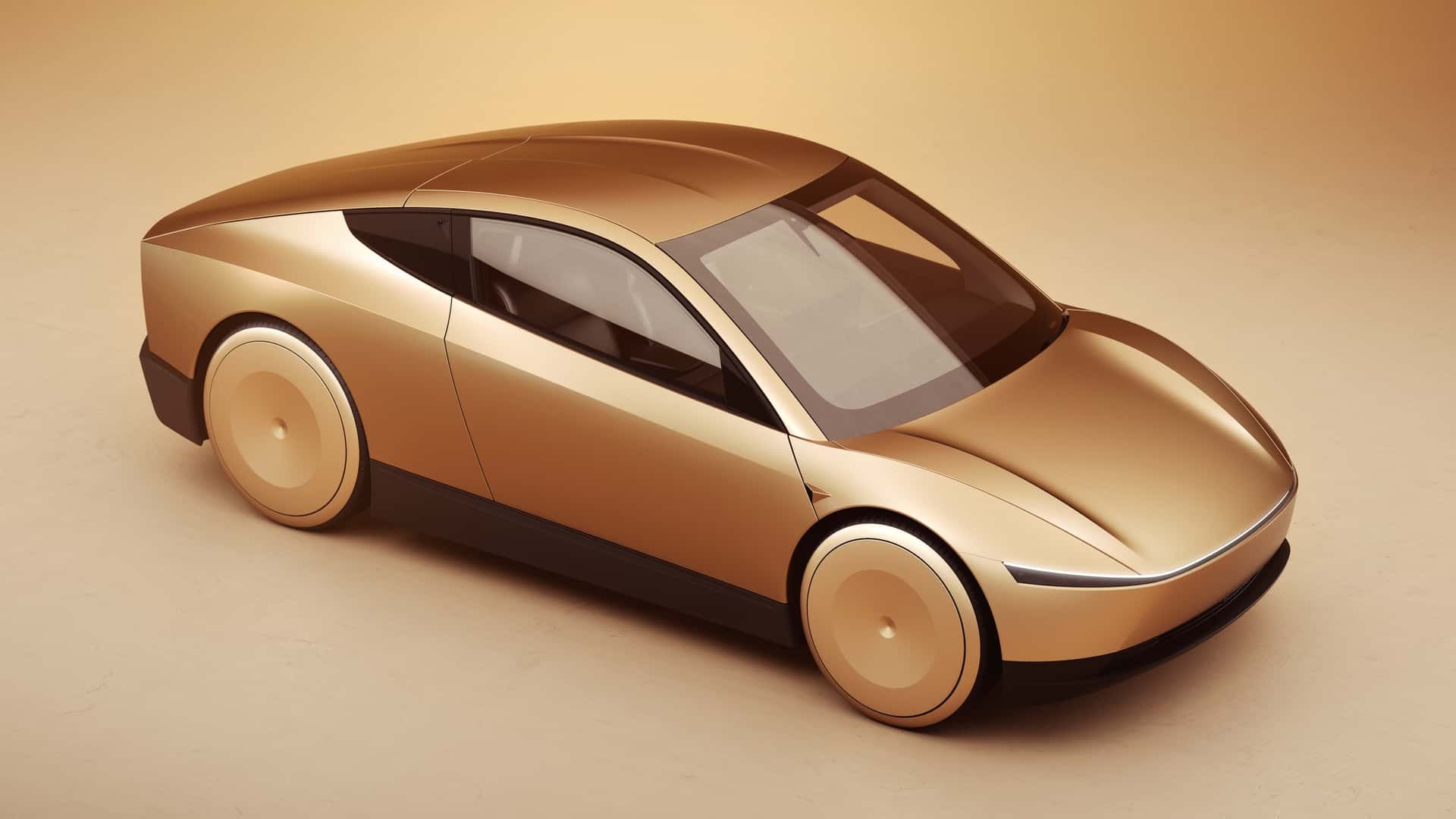
This cautious approach illustrates the challenges facing the manufacturer. While Tesla announces Cybercab production—a vehicle without steering wheel or pedals—at its Texas Gigafactory, current results question the viability of rapid mass deployment.
Regulatory Pressure Intensifies
The NHTSA has launched a preliminary investigation into 2.9 million Tesla vehicles equipped with FSD following 58 reported incidents, including 14 accidents or fires causing 23 injuries. These violations include running red lights and driving against traffic.

This heightened scrutiny comes as Elon Musk promised FSD availability in Europe and China by February 2026—a timeline now questionable given current performance and European regulatory standards, traditionally stricter than their American counterparts.
Tesla's Strategy Facing These Results
Tesla has staked its future on this technology as traditional vehicle sales stagnate. The manufacturer claims production capacity reaching "up to five million" Cybercabs annually through its new "Unboxed" manufacturing process. Yet with an accident rate three times that of human drivers, the path to safe commercialization remains long.
Statistics attributing 94% of accidents to human error theoretically support autonomous driving. Still, Tesla's current numbers demonstrate the technology hasn't yet reached the level required to ensure user safety, even with human supervision.
📚 Read Also
Written by
Sophie RenardSpecialist luxe, premium, sportive, sport auto, allemandes, reglementation, assurance, prix, ventes
Spécialiste du segment premium et luxe, Sophie couvre l'actualité des marques prestigieuses depuis 12 ans. Ancienne attachée de presse pour un cons...
View all articles (15)Read More
•Tesla Cybercab Production Launched, Record Q1 2026 Results
•Tesla Semi: Mass Production in 2026 with 800 kW Charging
•Tesla Model Y 2026: 7-Seat and Model Y L Arrive in Europe
•Tesla Drops Autopilot in California to Keep Selling Cars
•Tesla Cybercab: Production Begins, Price Confirmed Under $30,000
•Tesla Cybertruck AWD at $59,990: Most Accessible Version Finally Here
•Tesla Integrates Grok, Urban Tunnels Revolutionize Mobility
•Tesla Autopilot: 8 Billion Miles, $243M Verdict