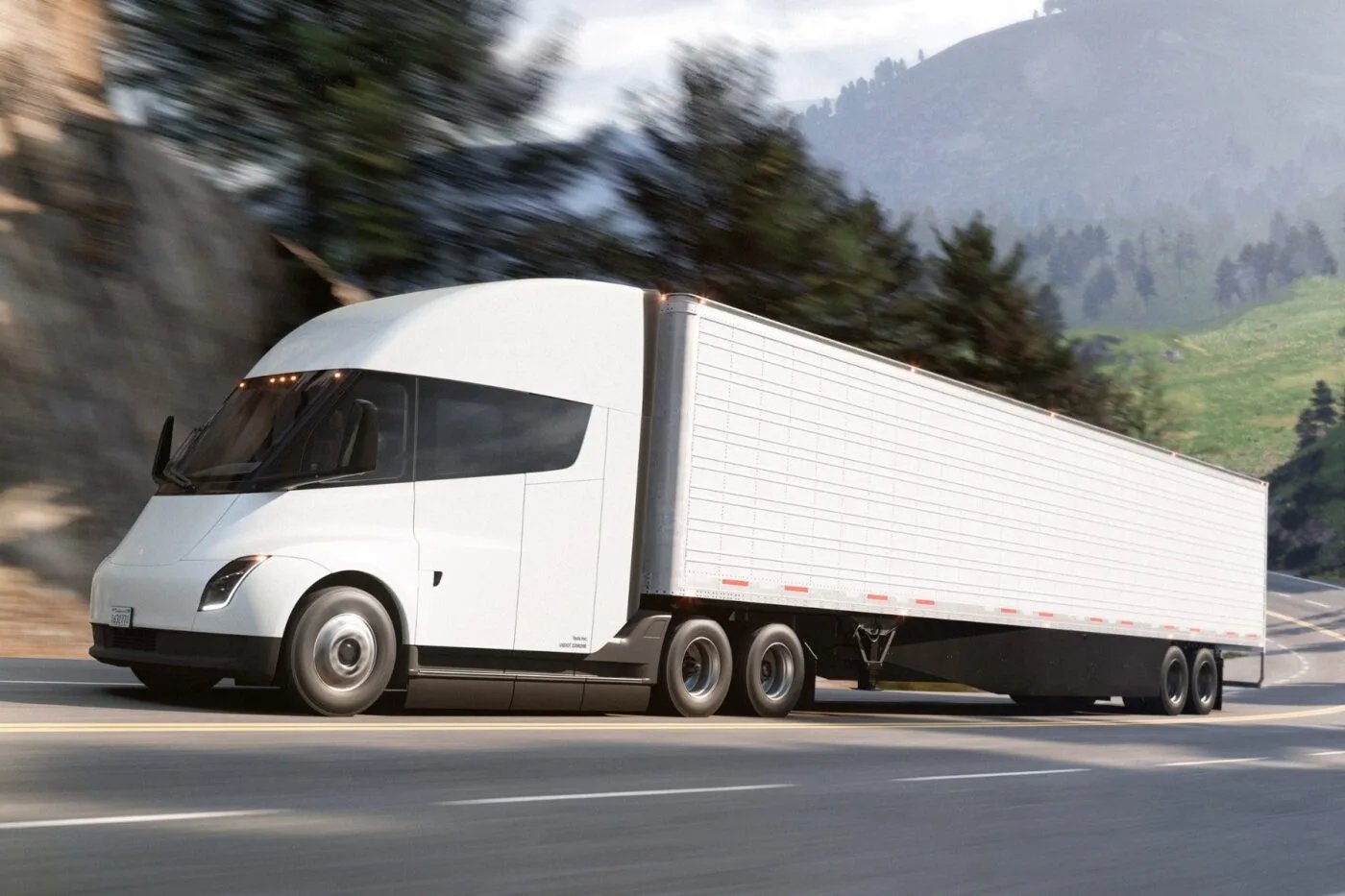
Tesla Optimus: Humanoid Robot & AI Agent by 2026
Tesla announces Optimus Gen 3 for summer 2026 and unveils Digital Optimus, its office automation AI agent. Behind Elon Musk's claims: $2 billion invested in xAI and a promise of 1 million units annually. In the real world, Tesla is betting everything on a dual robotics strategy—physical and digital.
"The only truly intelligent real-time AI system" — Elon Musk, CEO Tesla
Tesla is crossing a decisive threshold with Optimus Gen 3, whose production launches summer 2026 according to Elon Musk's latest statements at the Abundance Summit. Simultaneously, the company unveils Digital Optimus, an AI agent developed jointly with xAI to automate office tasks. This dual-track approach illustrates Tesla's vision: the same artificial brain capable of operating in both the physical and digital worlds.
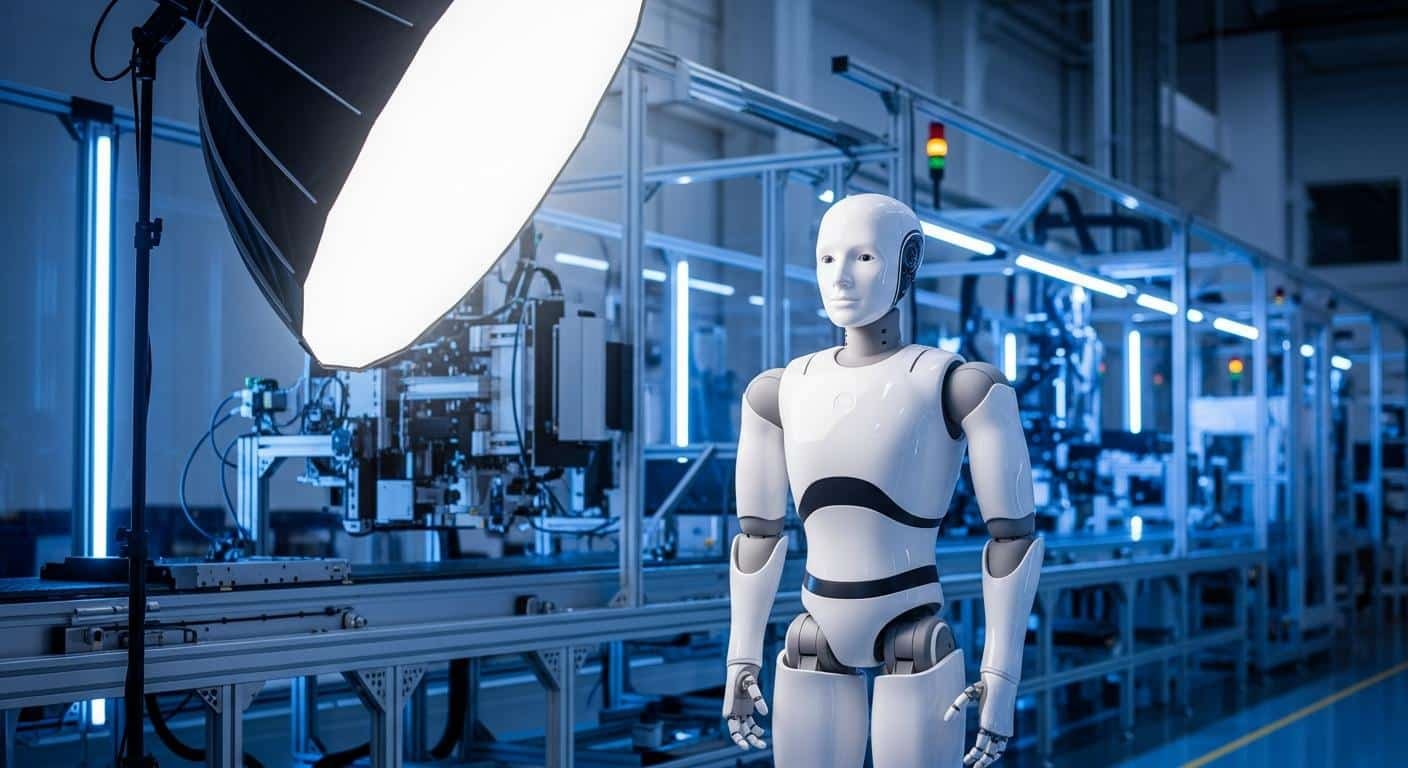
Optimus Gen 3 Production: Reality Behind the Headlines
Summer 2026 will mark the start of industrial production of Optimus Gen 3 at Tesla's Fremont factory in California. Musk describes initial production capacity as "very low"—translation: a few dozen units per month maximum before ramping toward 1 million units annually. That familiar Tesla "S-curve" we know so well.
Fremont is currently undergoing major modifications to accommodate robotic production lines. Tesla is betting on its manufacturing expertise (hard-won with Model 3 and Y) to industrialize this bipedal robot. Ashok Elluswamy, head of AI at Tesla, warned internally that 2026 would be "the most challenging year"—which in Tesla's vocabulary typically means "delays are likely."
Recent presentations at AWE 2026 in Shanghai confirm Tesla's international ambitions. Images posted on Weibo by Tesla China show ultra-detailed robotic hands that genuinely impressed (though videos remain carefully edited). This joint Optimus and Cybertruck showcase is really aimed at reassuring investors about Tesla's technological diversification.
Digital Optimus: Marketing or Real Tech?
Alongside the physical robot, Tesla and xAI unveil Digital Optimus, nicknamed "Macrohard" (Elon's humor remains what it was). This AI agent monitors your computer screen in real time, processes continuous video feed, and automates accounting, HR, and repetitive tasks. On paper, it's appealing.
Digital Optimus's dual architecture borrows from Kahneman's cognitive systems theory: a reactive System 1 (managed by Tesla) that processes the last 5 seconds of activity with "zero latency" (we'll see about that), and an analytical System 2 (powered by xAI's Grok) for complex planning. Conceptually coherent, technically unproven.
Optimus Pricing: Promise vs. Economic Reality
Tesla hasn't yet announced Optimus Gen 3's final price, but Musk previously mentioned a range between $20,000 and $30,000. At that price, should we still believe in "consumer versions"? For context: a new Honda Civic costs less than a robot that can (maybe) fold laundry.
Production costs remain the real challenge. Tesla is banking on scale effects to bring prices down—the same promise with the Model 3 and Y, where it took years to reach announced prices. Reaching millions of units annually assumes massive adoption that hasn't yet been demonstrated.
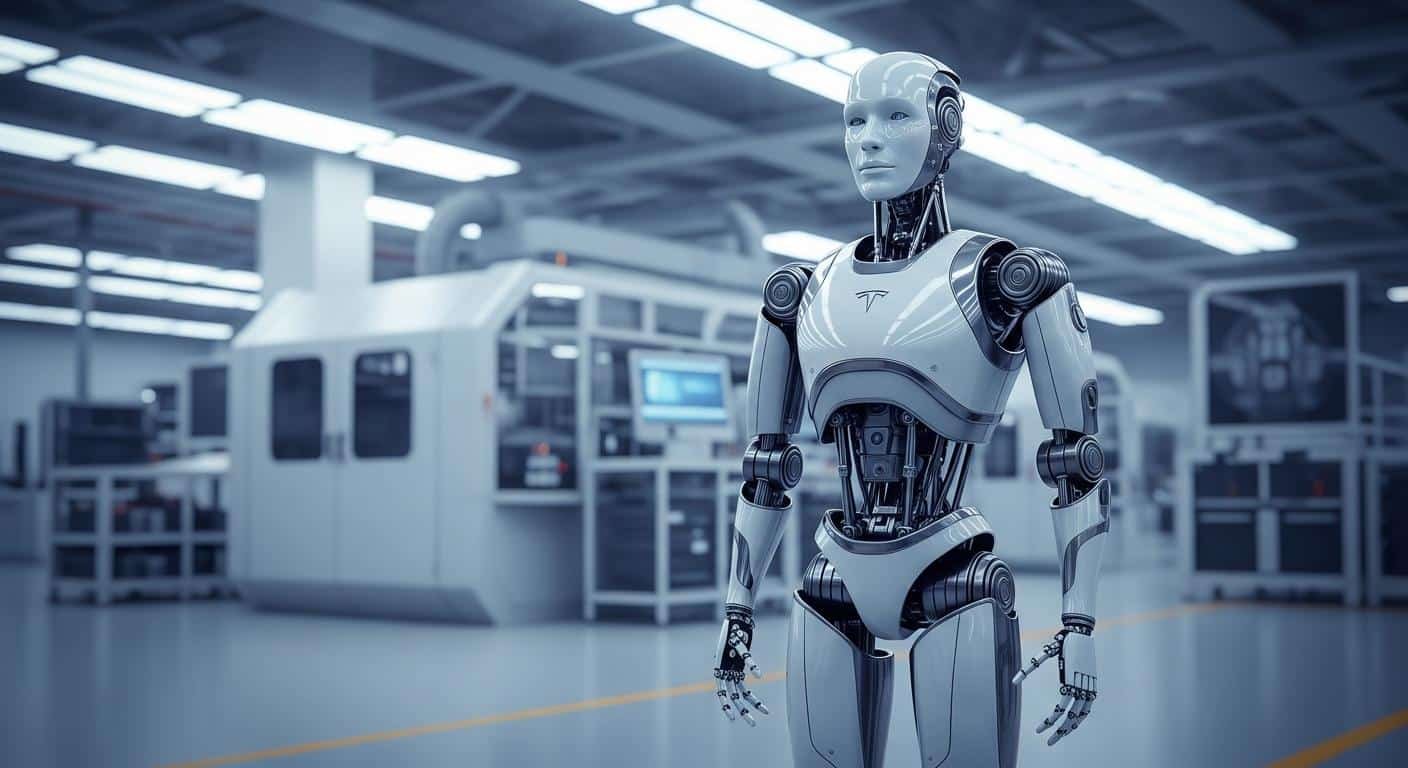
Against the Competition: Tesla in Uncharted Territory
Tesla claims a different approach versus Asian giants like Honda with Asimo or Boston Dynamics. Musk asserts Optimus will be "the world's most advanced humanoid robot"—a claim that conveniently ignores the technical lead of competitors working on this for 20 years.
Tesla leverages its AI ecosystem developed for Autopilot and Full Self-Driving. This technological synergy between autonomous vehicles and humanoid robots genuinely constitutes an advantage—provided Autopilot itself is reliable (debatable). The perception and navigation algorithms developed for cars logically find a second life in Optimus.
Tesla's strategy relies on vertical integration: batteries, motors, in-house AI chips, and software. This approach enables total control of the value chain but exponentially increases industrial risks. Optimus's success will depend as much on technical execution as on Tesla's ability to meet its timelines.

Written by
Jules DuboisSpecialist électrique, hybride, batterie, recharge, autonomie, technologies, electrique, nouveaute
Journaliste automobile passionné par la mobilité électrique et les nouvelles technologies. Après 10 ans dans la presse spécialisée, Jules décrypte ...
View all articles (12)Read More
•Tesla Cybercab Production Launched, Record Q1 2026 Results
•Tesla Semi: Mass Production in 2026 with 800 kW Charging
•Tesla Model Y 2026: 7-Seat and Model Y L Arrive in Europe
•Tesla Drops Autopilot in California to Keep Selling Cars
•Tesla Cybercab: Production Begins, Price Confirmed Under $30,000
•Tesla Cybertruck AWD at $59,990: Most Accessible Version Finally Here
•Tesla Integrates Grok, Urban Tunnels Revolutionize Mobility
•Tesla Autopilot: 8 Billion Miles, $243M Verdict