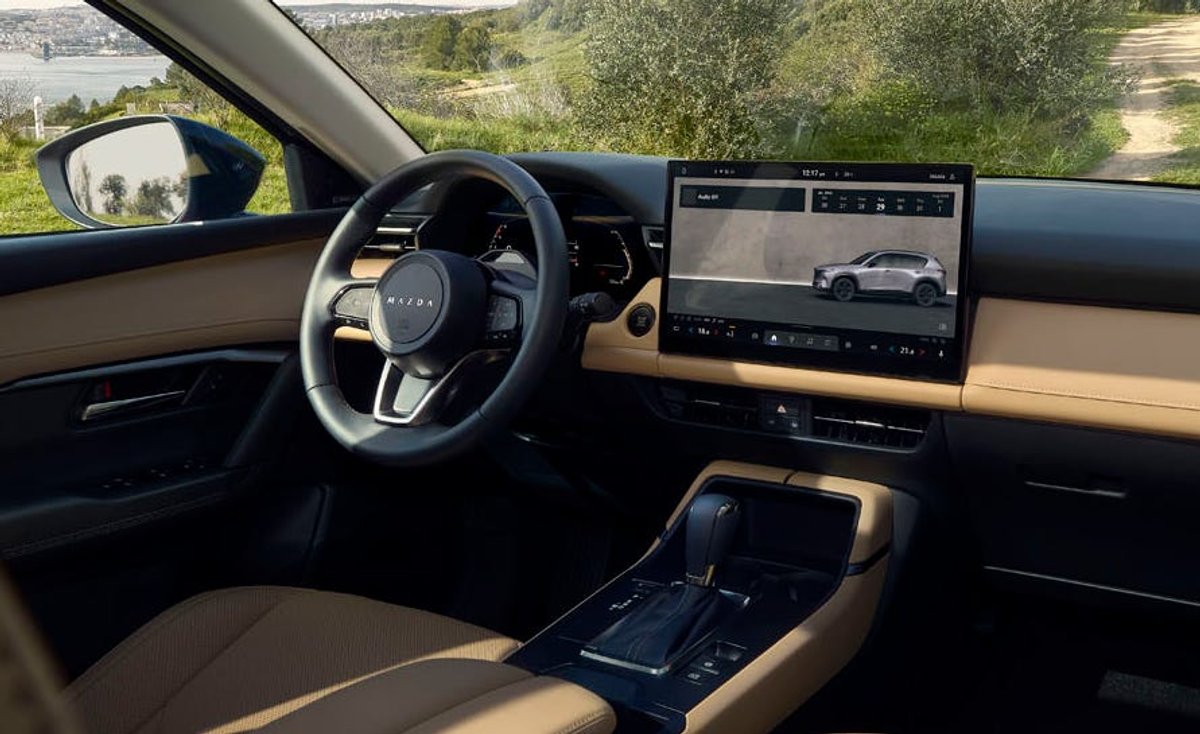
Renault Questions EU's 2035 EV Target—Reality Check
François Provost, newly appointed CEO of Renault Group, judges the European objective of 100% zero-emission sales by 2035 unrealistic in its current form. In an interview with German newspaper Frankfurter Allgemeine Zeitung, he demands greater flexibility on the 2030 targets and defends plug-in hybrids as an essential transition technology in the face of Chinese competition.
"The objective of 100% zero-emission sales by 2035 is not possible in its current state" — François Provost, CEO Renault Group
A CEO Who Breaks With Brussels Consensus
François Provost doesn't mince words. At the helm of Renault Group for only a short time, he shatters the European consensus on the electric transition. According to him, the European Union has committed itself to a trajectory he qualifies as unrealistic, particularly the planned ban on sales of combustion-engine vehicles by 2035.
This stance contrasts sharply with the official line from European automakers, typically aligned with Brussels directives. Provost argues that current industrial and economic constraints make this timeline untenable.
The French CEO insists on the need for the European Commission to be more "flexible." A simple extension to 2032 won't be enough, in his view. The very structure of the regulations needs to be overhauled.
The 2030 Targets in the Crosshairs
The 2030 emissions thresholds are crystallizing tensions. These regulations impose a drastic reduction in average fleet emissions, which effectively amounts to demanding roughly 50% electric vehicle registrations by 2030.
Provost deems this level incompatible with European market reality. Charging infrastructure remains insufficient in many countries, while consumer purchasing power struggles to keep pace with rising vehicle prices.
This position echoes difficulties faced across the entire European automotive sector. Electric vehicle sales are stagnating in 2025, far short of targets set by European institutions.
In Defense of Plug-In Hybrids
Facing criticism over plug-in hybrid technology rechargeables, Renault's CEO fights back. He considers PHEVs an "essential" transition technology for supporting the ramp-up of electrification.
This vision opposes positions from some automakers who are gradually abandoning this technology. Provost sees it instead as a way to meet the expectations of consumers still reluctant about going fully electric.
Plug-in hybrids allow, in his view, maintaining an accessible offering while reducing emissions. A necessary compromise against the offensive from Chinese automakers who are already flooding the European market with competitive models.
What Strategy Against China?
The shadow of Chinese competition hangs over this entire debate. NIO just celebrated the production of its millionth vehicle in January 2026, marking the meteoric rise of Chinese brands.
Provost is betting on a new generation of affordable small electric vehicles to counter this offensive. The upcoming R5, R4, and Twingo electric models embody this strategy to reclaim the mass-market segment.
The French automaker wants to prevent the European industry from falling behind the aggressive pricing wielded by Chinese brands. BYD, NIO and others already offer electric vehicles at price points that are barely reachable for Europeans.
A Call for Calendar Revision
The CEO wants a profound overhaul of Europe's timeline. According to him, the transition can only succeed by taking into account the economic, technological, and social realities of each market.
This call for flexibility comes as several European automakers struggle to hit their electric sales targets. Manufacturing costs remain high, undermining competitiveness against Asian rivals.
Renault Group isn't alone in voicing doubts. Other European automakers are beginning to question the timeline imposed by Brussels, even if they do so more discreetly than François Provost.
📚 Read Also

Written by
Jules DuboisSpecialist électrique, hybride, batterie, recharge, autonomie, technologies, electrique, nouveaute
Journaliste automobile passionné par la mobilité électrique et les nouvelles technologies. Après 10 ans dans la presse spécialisée, Jules décrypte ...
View all articles (12)Read More
•Volkswagen and Stellantis Push for European EV CO₂ Bonus
•Vehicle Registration Fees Rise Again: Multiple Regions Hit Ceiling
•Tesla Cybercab Production Launched, Record Q1 2026 Results
•2026 Porsche 911 Turbo S Hybrid Hits 60 MPH in 2.0 Seconds
•Tesla Semi: Mass Production in 2026 with 800 kW Charging
•Lamborghini Urus: Why the Brand Refuses to Go Electric
•Dacia Spring 2026: More Power, Still the Cheapest EV
•BMW M2 G87: 480 HP, Tuning, Depreciation & Track Kit Updates