Volkswagen and Stellantis Push for European EV CO₂ Bonus
The CEOs of Volkswagen and Stellantis have published a joint open letter demanding a CO₂ bonus for vehicles labeled "Made in Europe". This move aims to counter Chinese and American competition, as Donald Trump eliminated EV tax credits in the US—a decision that's already cost automakers 37 billion pounds.
"Every electric vehicle 'Made in Europe' should receive a CO₂ bonus" — Oliver Blume, CEO Volkswagen, and Antonio Filosa, CEO Stellantis
An unprecedented alliance against the Chinese challenge
Oliver Blume and Antonio Filosa decided to speak with one voice. In their editorial published simultaneously in Handelsblatt, Les Échos, and Il Sole 24 Ore, the heads of Volkswagen and Stellantis are sounding the alarm about protecting Europe's auto industry. Together, their groups control 40% of Europe's car market and employ millions across the continent.
The stakes are real. The auto sector represents 8% of the EU's GDP and supports 13 million jobs. Yet European carmakers are losing ground to imported rivals—especially Chinese manufacturers—who enjoy drastically lower production costs.
What exactly are the two giants asking for?
The two CEOs propose a three-tier model. First, establish strict "origin criteria" covering vehicle production, R&D, electric powertrains, battery cells, and core electronics. Second, create a "Made in Europe" label for models meeting these standards. Third, restrict access to European public subsidies to labeled vehicles only.
Their flagship demand? An automatic CO₂ bonus for every electric vehicle manufactured in Europe. This would offset the higher costs imposed by Europe's stricter social and environmental standards.
Trump reshapes the US game board
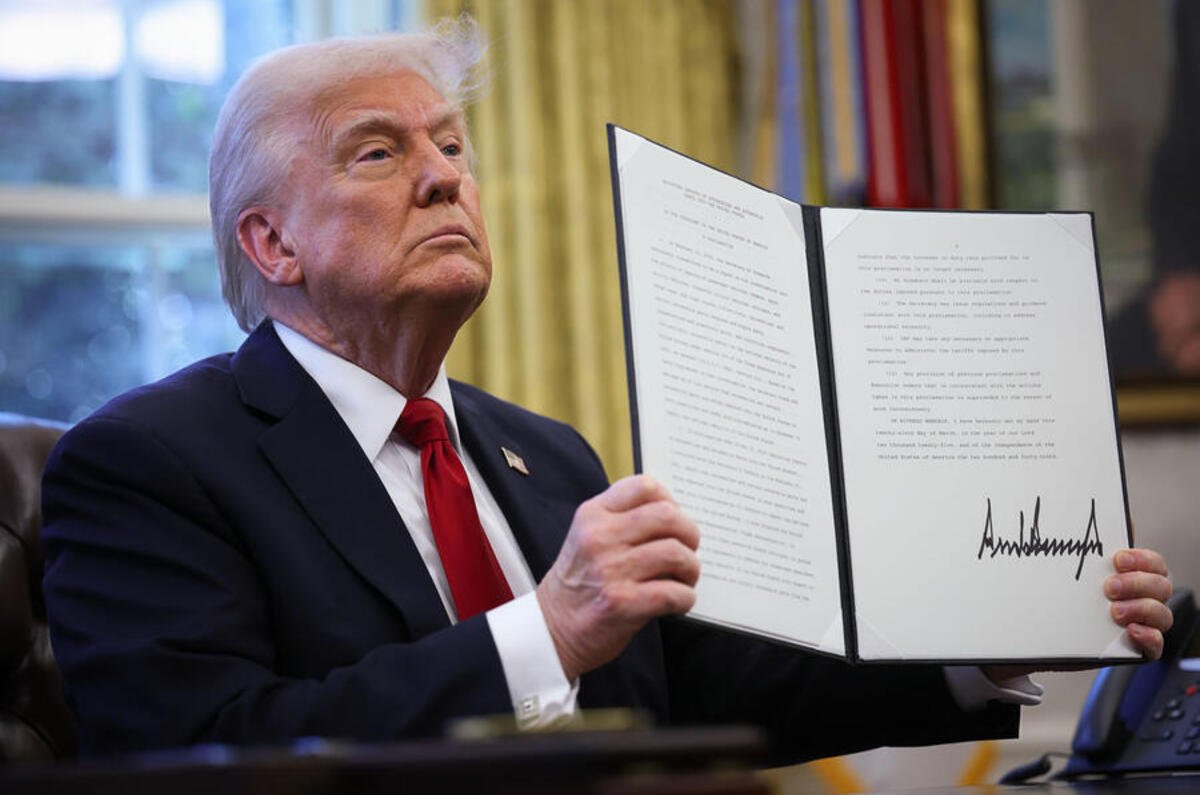
The urgency intensified when Donald Trump entered the White House. The new US president scrapped federal EV tax credits and rolled back planned emissions rules. According to Autocar, this pivot has already cost automakers 37 billion pounds on the American market.
This reversal opens the door wide for China, which could exploit America's retreat to strengthen its EV dominance. Chinese brands like NIO are pouring billions into European expansion, offering cutting-edge tech at aggressive prices.
Europe caught between two fires
Geopolitical realities complicate matters. The EU is building its "Buy European" strategy to reduce dependence on China and the US. European Industry Commissioner Stéphane Séjourné is set to present a bill on February 25th expanding this approach to new sectors, including automobiles.
But the European Automobile Manufacturers Association (ACEA) remains cautious. The lobby fears domestic production quotas could hamper European firms' access to global markets—a stance at odds with Volkswagen and Stellantis.
What strategy can beat Asia?
The real battle is being fought over batteries. These components account for 40% of an EV's cost. European carmakers are investing billions to build local supply chains, but reality hits hard: manufacturing in Europe is expensive.
The dilemma is straightforward. To offer affordable EVs, manufacturers are tempted to source cheaper Asian batteries. But that strategy erodes Europe's industrial base and deepens technological dependence.
Stellantis and Volkswagen are betting on a different playbook. Rather than accept unfair competition, they're asking Brussels to level the playing field. Their message is blunt: Europe must choose between staying an automotive powerhouse or becoming just another consumer market.
The European Commission's response will be watched closely. Behind these numbers and regulations, millions of jobs hang in the balance.
📚 Read also

Written by
Thomas MartinSpecialist SUV, suv, crossover, essai, utilitaire, familiale, pickup, comparatif, citadine, berline, cabriolet
Expert SUV et crossovers depuis plus de 15 ans, Thomas a parcouru les routes du monde entier pour tester les véhicules les plus robustes. Ancien pi...
View all articles (10)Read More
•Renault Questions EU's 2035 EV Target—Reality Check
•Vehicle Registration Fees Rise Again: Multiple Regions Hit Ceiling
•Tesla Cybercab Production Launched, Record Q1 2026 Results
•2026 Porsche 911 Turbo S Hybrid Hits 60 MPH in 2.0 Seconds
•Tesla Semi: Mass Production in 2026 with 800 kW Charging
•Lamborghini Urus: Why the Brand Refuses to Go Electric
•Dacia Spring 2026: More Power, Still the Cheapest EV
•BMW M2 G87: 480 HP, Tuning, Depreciation & Track Kit Updates