Porsche Switches to Samsung SDI Batteries for Korean Macan Electric
Porsche is switching battery suppliers for the Macan Electric in South Korea. The German automaker is ditching Chinese CATL in favor of Samsung SDI for its compact electric SUV—but only on the Korean market. This decision reflects a strategic adaptation to local preferences and regulatory requirements.
"South Korean consumers are known for carefully scrutinizing the battery manufacturer when purchasing an electric vehicle" — The Chosun Daily
Samsung SDI Replaces CATL in South Korea
The Porsche Macan Electric will swap its Chinese cells for Korean technology. According to South Korean newspaper The Chosun Daily, Porsche will equip all electric vehicles sold in South Korea with exclusively Korean batteries starting in 2026.
The Macan Electric, previously equipped with CATL batteries produced at the plant in Arnstadt, Thuringia, will now receive Samsung SDI cells. This transition applies only to the South Korean market—other markets will continue receiving Chinese technology.
The decision reflects the Korean market's unique characteristics. The Taycan and Cayenne Electric already use LG Energy Solution batteries, another Korean sector giant. Only the Macan was the exception with its CATL cells.
Political and Commercial Reasons
A 2024 incident marked a turning point. A Mercedes EQE caught fire in an underground parking garage in Incheon, prompting the South Korean government to demand transparency on battery suppliers. This measure, now applied systematically, directly influences automakers' choices.
"The decision is also influenced by market conditions and environmental factors in the sales region," reports the Korean daily. The presence of three local giants—LG Energy Solution, SK On, and Samsung SDI—creates natural pressure to favor domestic production.
Technology isn't the issue here. The Macan Electric retains its 100 kWh battery (95 kWh net) with prismatic cells; only the source changes. The 800V architecture and performance specs remain identical.
What's Porsche's Strategy for Other Markets?
Porsche hasn't officially confirmed this information. "We don't comment on our potential suppliers as a matter of principle," a Porsche spokesperson told our colleagues at Electrive. This evasive answer is neither a denial nor a confirmation.
A Geographically Limited Change
This local adaptation reflects pragmatic thinking. Samsung SDI boasts solid expertise in automotive batteries and already powers several global automakers. The choice ensures technological continuity without compromising performance.
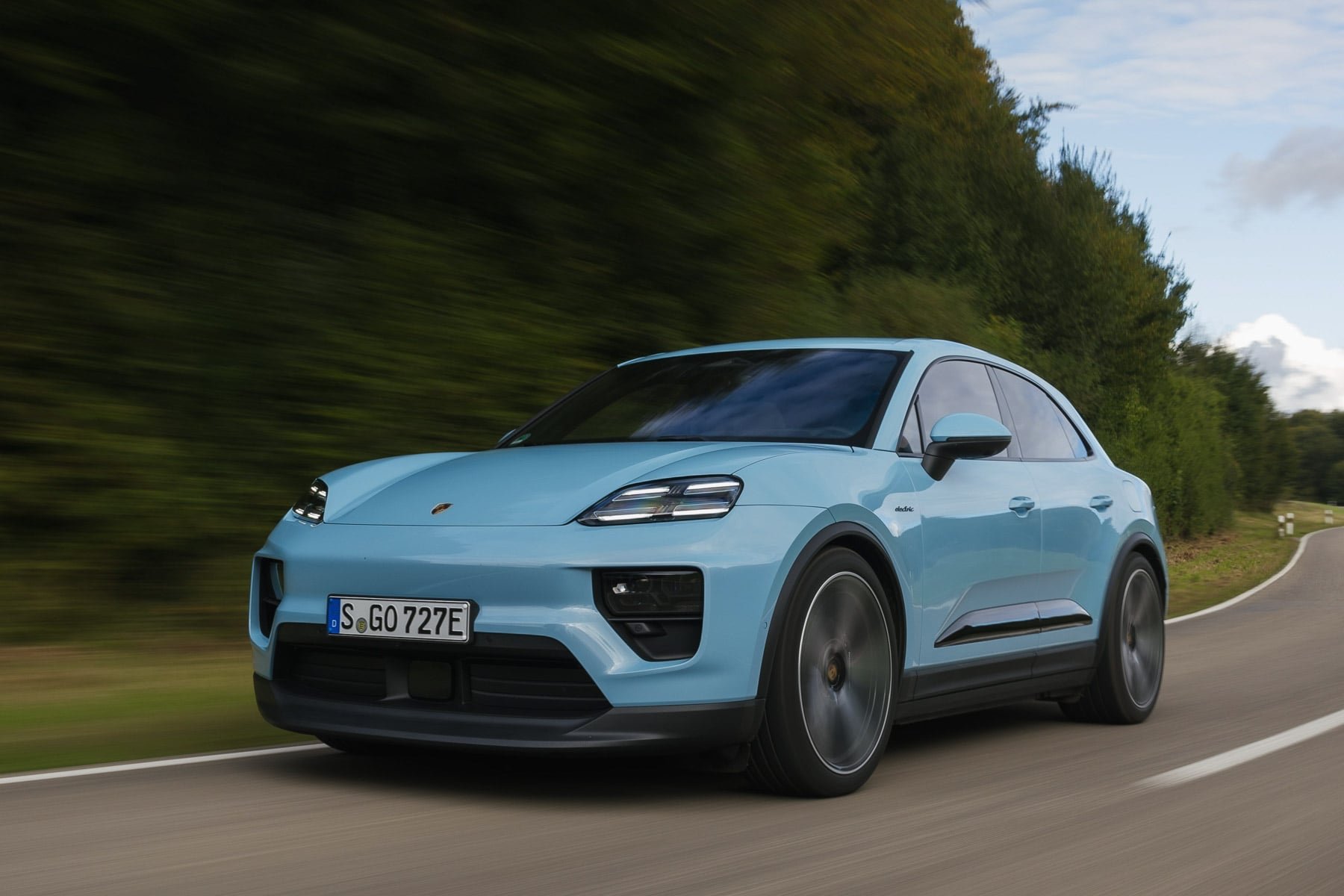
The Macan Electric, produced in Leipzig, will continue using CATL batteries for Europe and other markets. Only vehicles destined for South Korea will get the supplier switch.
This multi-supplier strategy is becoming standard among premium manufacturers. It allows adaptation to local constraints while securing supply chains against growing geopolitical tensions.
The transition to Samsung SDI will begin with the 2026 model year Macan Electric. Technical performance—408 horsepower for the 4-cylinder version, 576 horsepower for the Turbo—won't be affected by this supplier change.
📚 Read Also

Written by
Jules DuboisSpecialist électrique, hybride, batterie, recharge, autonomie, technologies, electrique, nouveaute
Journaliste automobile passionné par la mobilité électrique et les nouvelles technologies. Après 10 ans dans la presse spécialisée, Jules décrypte ...
View all articles (12)Read More
•Porsche Macan 2025: Electric, GTS, and Future ICE – Range Revamps
•Porsche Pays Audi $1B for Thermal Macan Platform
•2026 Porsche Macan GTS Electric: 563 HP Game-Changer
•2026 Porsche 911 Turbo S Hybrid Hits 60 MPH in 2.0 Seconds
•Porsche 911 GT3: Scandal, Performance, and Bargains in 2026