Lexus ES 2026: EV Cheaper Than Hybrid—Unprecedented
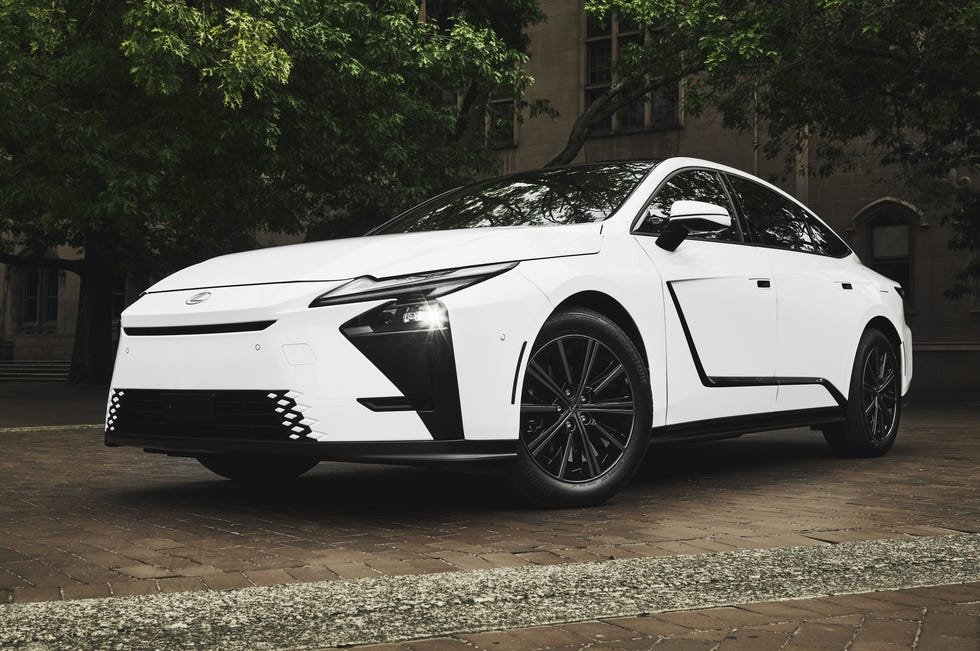
Lexus upends tradition with the 2026 ES. The Japanese sedan ditches gas engines entirely for hybrid and electric powertrains, with a surprise: the EV costs less than the hybrid. In the U.S., the ES 350e starts at $48,795 versus $50,995 for the hybrid ES 350h.
"680 horsepower for a plug-in hybrid is unheard of in this segment" — Car and Driver
The Lexus ES 2026 pricing structure upends conventional market logic. Unlike standard practice where electric versions command a premium, the ES 350e becomes the most affordable option in the lineup at just $48,795. A bold strategy positioning Lexus uniquely in the electrified luxury sedan segment.
A Revolutionary Pricing Position
The ES 350h hybrid starts at $50,995, a full $2,200 more than the base electric variant. This reflects Lexus's aggressive strategy to democratize EVs across its lineup. The hybrid climbs to $55,795 in Premium+ trim, while electric variants range from $48,795 (ES 350e Premium) to $60,195 (ES 500e Luxury).
What's Under the Hood?
The ES 350e develops 220 horsepower from its front-wheel-drive electric motor, enough to dispatch 0-96 km/h in 7.7 seconds. The beefier ES 500e doubles down with 338 horsepower split between two motors for all-wheel drive. This AWD configuration reaches 96 km/h in just 5.4 seconds.
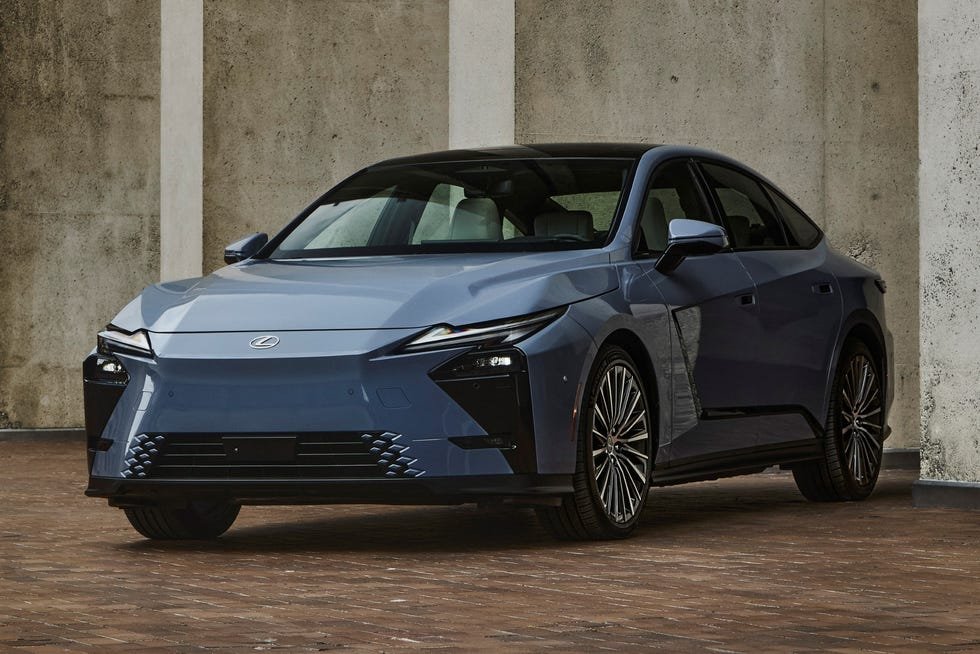
The hybrid side pairs a 2.5-liter four-cylinder engine with electric motors for 243 horsepower total. Available in front- or all-wheel drive (add $1,400), it promises balanced performance with 0-96 km/h in 7.4 seconds (7.2 in AWD).
Range Reality Check
The ES 350e claims 300 miles (approximately 480 km) EPA range courtesy of its 77 kWh usable battery. The more powerful ES 500e, however, drops to 250 miles (approximately 400 km) despite sharing the same battery pack. AWD and stronger performance account for this notable difference.
Rapid charging hits 10-80% capacity in 30 minutes, though Lexus hasn't disclosed maximum charging power yet. Industry observers estimate it'll match the RZ's 150 kW, sharing core hardware with the ES.
A Radical Overhaul
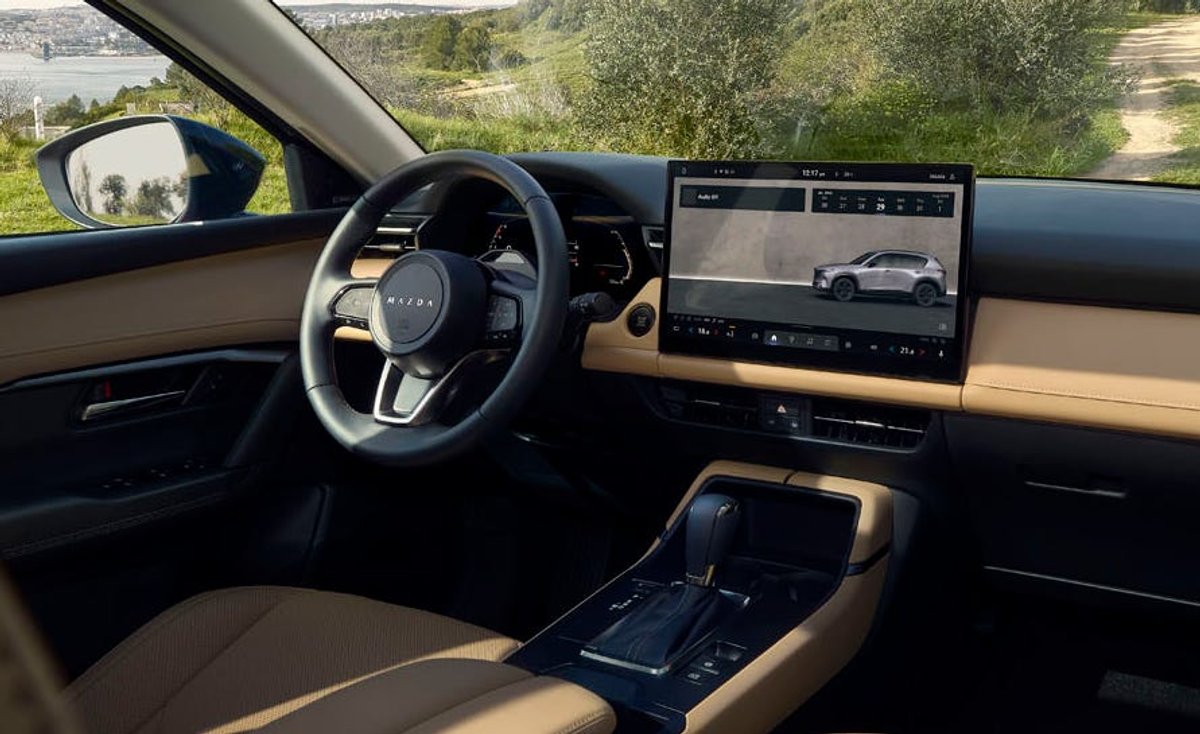
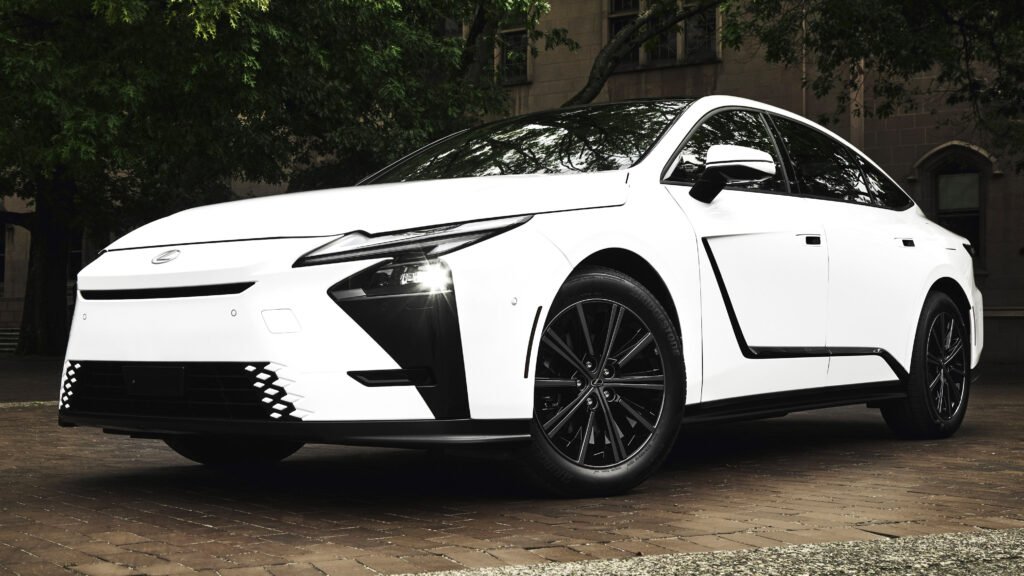
This eighth-generation ES marks a clean break from its predecessor. Built on the TNGA-K platform—specially adapted for electrified drivetrains—it gains rigidity and refinement. The 2.95-meter wheelbase delivers generous cabin space, while a new 14-inch touchscreen anchors the multimedia system.
📋 Fiche technique
Direct Challenge to German Rivals
With this aggressive pricing, the ES 350e directly targets entry-level versions of the Mercedes C-Class, BMW i5, and Audi A6 e-tron. Under $50,000, it becomes one of America's most accessible luxury electric sedans on the real-world market—which is exactly the point Lexus needed to make.
The Verdict
Lexus just made an electric sedan cheaper than its hybrid equivalent. On paper, that's a headliner. In the real world, it's a calculated move: cut the EV price, push the range penalty on the dual-motor model, and capture price-sensitive luxury buyers before German competitors answer. Smart? Absolutely. Revolutionary? Not quite—but honest strategy beats marketing bravado every time.

Written by
Jules DuboisSpecialist électrique, hybride, batterie, recharge, autonomie, technologies, electrique, nouveaute
Journaliste automobile passionné par la mobilité électrique et les nouvelles technologies. Après 10 ans dans la presse spécialisée, Jules décrypte ...
View all articles (12)Read More
•2027 Lexus IS EV: 500 HP and 800 km Range Targeted

•Opel Corsa GSE: 280-HP EV Tests at Nürburgring
•Tesla Cybercab Production Launched, Record Q1 2026 Results
•2026 Porsche 911 Turbo S Hybrid Hits 60 MPH in 2.0 Seconds
•Tesla Semi: Mass Production in 2026 with 800 kW Charging
•Lamborghini Urus: Why the Brand Refuses to Go Electric
•Dacia Spring 2026: More Power, Still the Cheapest EV
•BMW M2 G87: 480 HP, Tuning, Depreciation & Track Kit Updates