2026 Mazda CX-5: Bigger, Better Equipped, Some Compromises
The Mazda CX-5 enters its third generation for 2026 with a body stretched 4.5 inches in length, a wheelbase extended by 4.6 inches, and a new Google Built-In touchscreen replacing the legendary command knob. Priced from $29,990 in the US and €38,600 in Europe, the Japanese SUV gains cabin space and technology — but quietly drops its turbo engine and a few carefully concealed trim details.
"We have learned that our customers do not place a higher value on [the curved stitching on the steering wheel] compared to the less expensive model that will start on the new CX-5." — Jeffrey Guyton, CFO Mazda, as quoted by Automotive News
A Dimension That Actually Matters
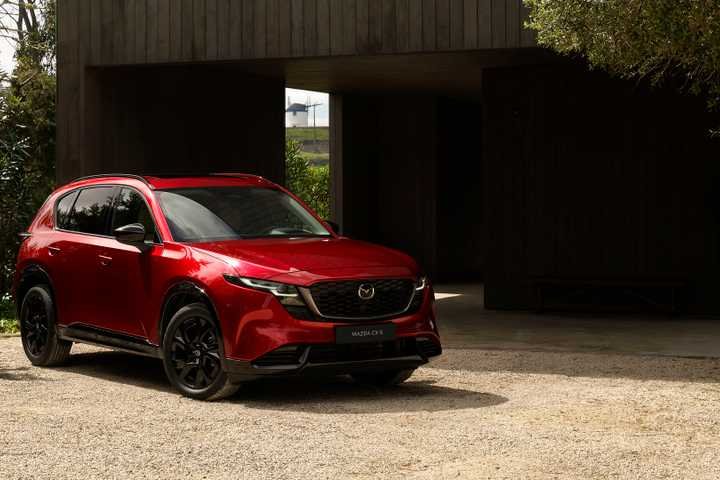
The number to remember: 4.69 meters in length, compared to roughly 4.57 meters for the previous generation. It's not spectacular on paper, but the extra 4.6 inches of wheelbase (totaling 2,815 mm) translates into a genuine transformation for the rear seats. According to Car and Driver, a 5'11" adult sitting behind a driver of the same height finally enjoys space comparable to what the Honda CR-V and Volkswagen Tiguan offer — something the old version sorely missed.
Cargo volume climbs to 583 liters, 61 liters more than before, with a lower load floor for easier loading. With the seats folded: 1,819 liters. The rear bench now splits 40/20/40, allowing skis or surfboards to slide through without sacrificing two passengers.
The Knob is Dead. Long Live the Touchscreen.
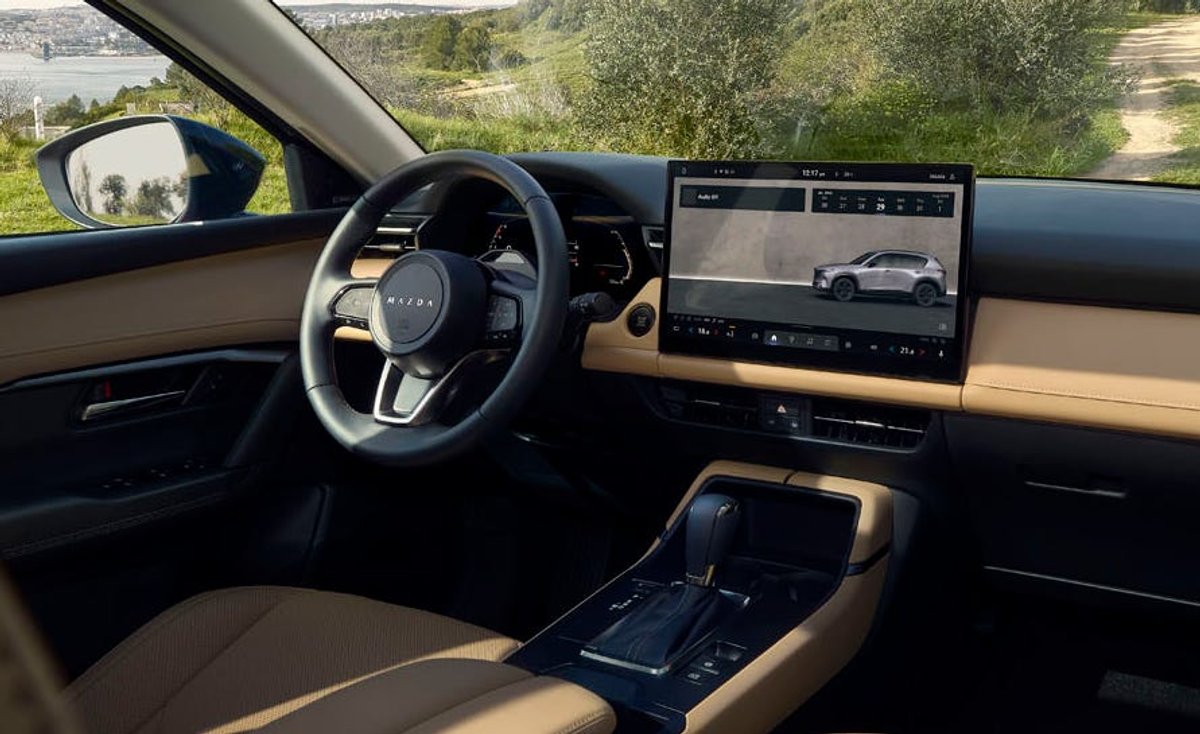
For over a decade, the Mazda Connect rotary knob was one of the few infotainment controllers that enthusiasts defended tooth and nail. Ergonomic, minimally distracting, it embodied the brand's Jinba Ittai philosophy. In 2026, it disappears in favor of a 10.25-inch touchscreen with integrated Google Built-In.
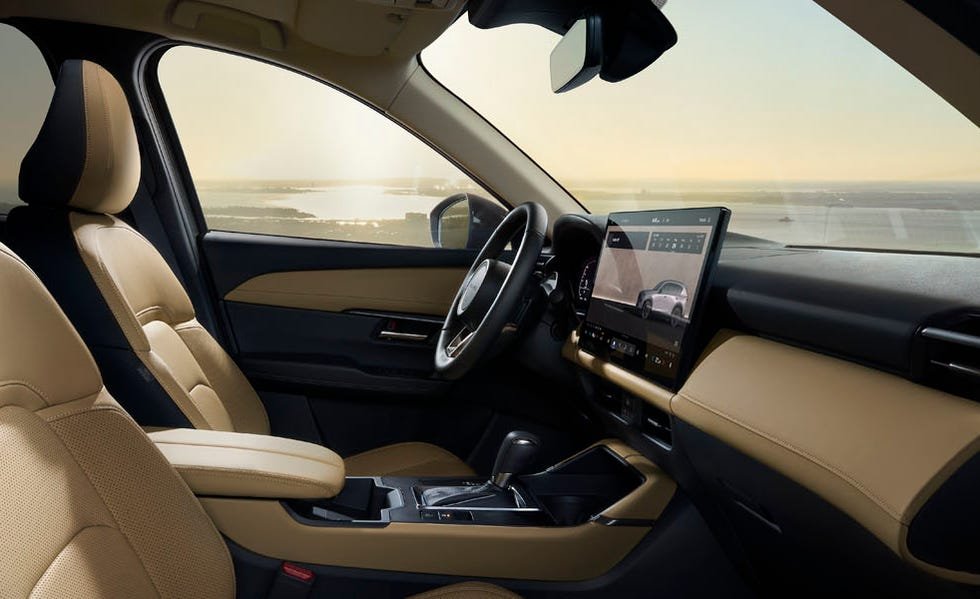
Mazda justifies the transition by the new system's flexibility. Matthew Valbuena, project manager for onboard technologies, compared the two approaches to the iPod Classic and iPod Touch: "Both can do the same things, but the iPod Touch offers more flexibility and can do more things," he explained to Motor1. In principle, the argument holds. In practice, the climate controls migrate to the screen — they remain pinned to the bottom of the display, which limits the damage, but it's still an ergonomic step back from the physical buttons of yore.
The steering wheel gains dedicated buttons for the 360-degree camera, M-Drive, and media source selection. The instrument cluster becomes a 10.3-inch digital display, and the head-up display is more than twice as large as before.
📋 Fiche technique
Turbo Dropped, Hybrid Promised Later
This is the sore point. The turbocharged version of the 2.5-liter — the one enthusiasts ordered — has been struck from the list. The sole engine available at launch is the naturally aspirated four-cylinder producing 187 hp and 252 Nm, paired with a six-speed automatic and standard all-wheel drive. Jalopnik sums it up bluntly: "Bigger and Better To Live With, But Not Better To Drive."
When Does the Hybrid Arrive?
Mazda has confirmed a hybrid version will follow, without giving a specific date. According to Road & Track, the manufacturer has also not confirmed whether the turbo will ever return. For now, European buyers waiting for an electrified powertrain will have to be patient — likely until at least 2027, based on available information.
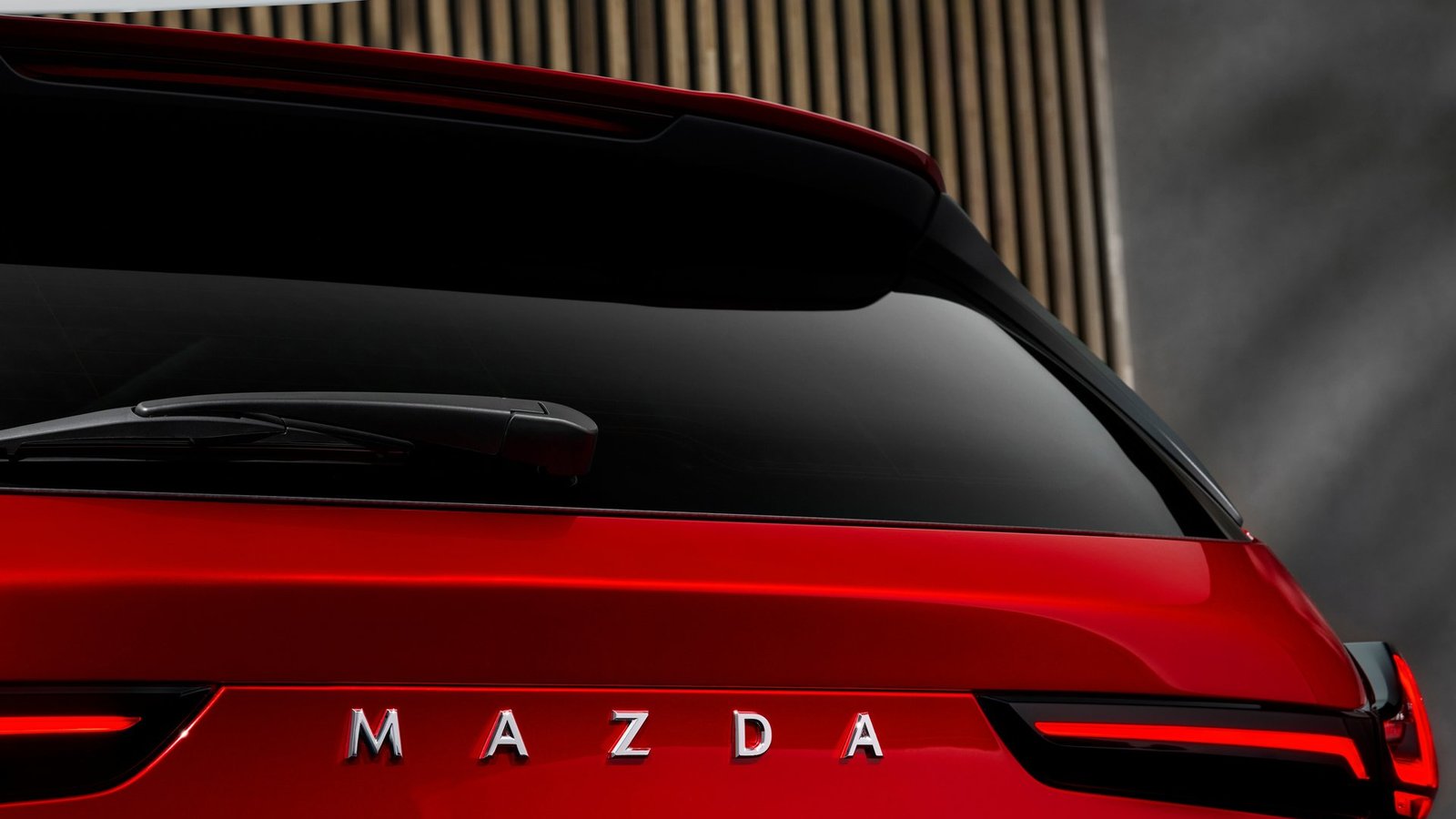
The Hidden Cost-Cuts Mazda Hopes You Won't Notice
Car and Driver has put its finger on something the press release doesn't mention. CFO Jeffrey Guyton admitted to Automotive News that the company deliberately eliminated certain premium interior details — like the curved steering wheel stitching found on the previous top-tier Signature trim — because focus groups showed customers simply didn't care. The result is a cabin that looks cleaner and more modern, but loses some of the tactile richness that made Mazda interiors feel a cut above the mainstream competition.
The deletion of the turbo engine is equally strategic. By simplifying the powertrain lineup to a single naturally aspirated unit, Mazda reduces production complexity and frees up resources for the promised hybrid. It's a rational move for a company of Mazda's size — but one that will leave driving enthusiasts feeling shortchanged.
A Question of Positioning
The CX-5 has long been the quiet star of Mazda's lineup: not the flashiest, not the fastest, but the one that consistently delivered a premium feel at a mainstream price. This third generation doubles down on that formula — more space, more tech, less character. Whether that trade-off pays off will depend on how many buyers value the new Google interface over the old rotary controller, and how many will wait for the hybrid rather than settle for the naturally aspirated four-cylinder.
One thing is certain: the CX-5 is no longer the enthusiast's choice in the segment. That mantle now passes to the CX-50, which retains a more driver-focused chassis setup — at least until Mazda decides to electrify that one too.

Written by
Sophie RenardSpecialist luxe, premium, sportive, sport auto, allemandes, reglementation, assurance, prix, ventes
Spécialiste du segment premium et luxe, Sophie couvre l'actualité des marques prestigieuses depuis 12 ans. Ancienne attachée de presse pour un cons...
View all articles (15)Read More
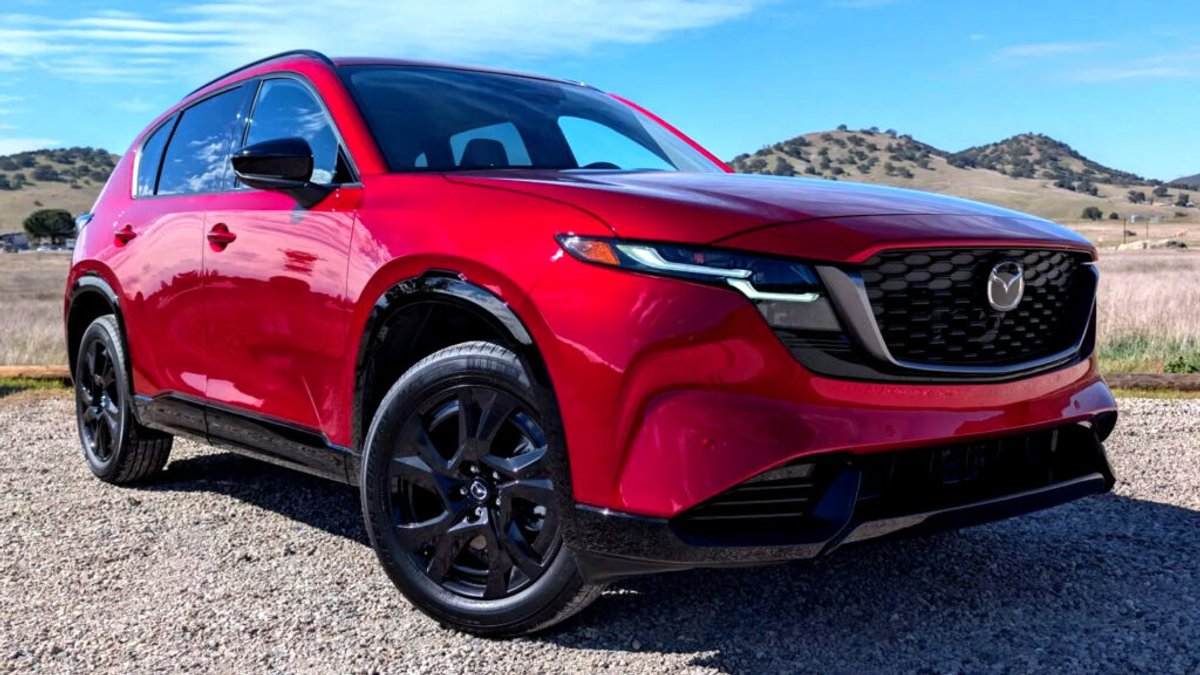
•Mazda CX-5 2026: Design, Interior, and Bigger Dimensions
•Mazda MX-5: The Secret V6 and Synthetic Fuel Future
•Mazda MX-5: Secret V6 Prototype Scrapped, Future Runs on Synthetic Fuel
•Mazda MX-5 2021: Only 33% Value Loss in 5 Years
•Tesla Cybercab Production Launched, Record Q1 2026 Results
•2026 Porsche 911 Turbo S Hybrid Hits 60 MPH in 2.0 Seconds
•Tesla Semi: Mass Production in 2026 with 800 kW Charging
•Lamborghini Urus: Why the Brand Refuses to Go Electric