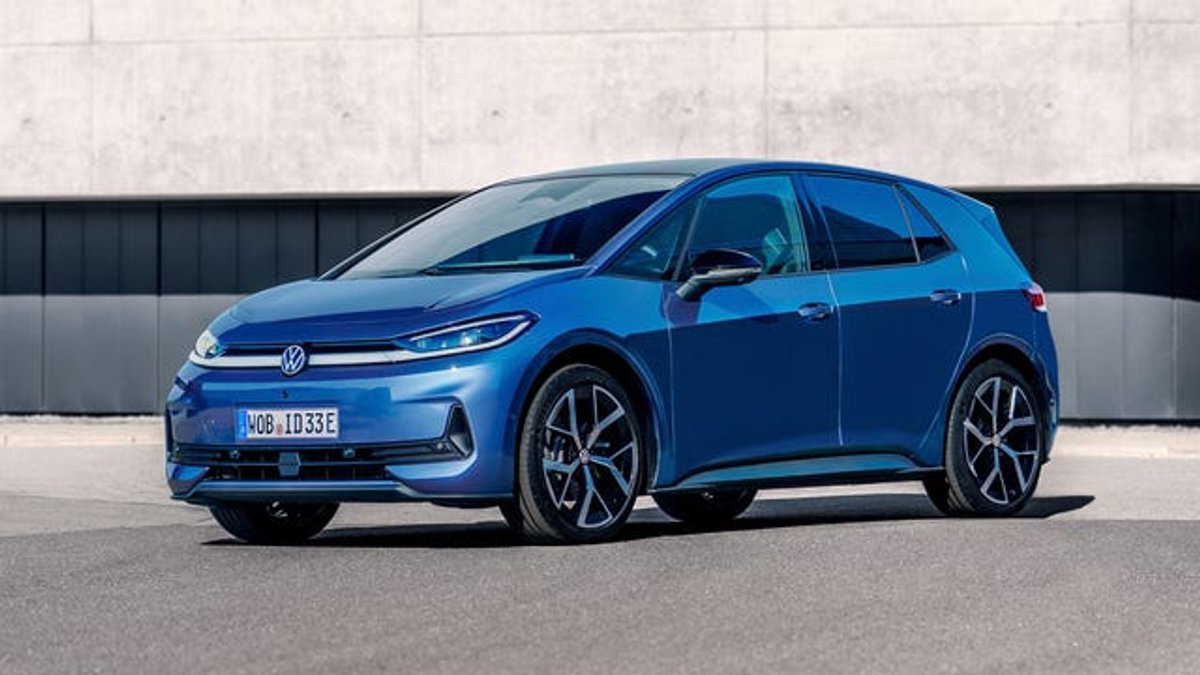
Volkswagen Plans Drastic 20% Cost Cuts by 2028
The Volkswagen group is preparing a drastic cost-cutting plan with 20% reduction in operating costs by 2028. This latest austerity drive adds to the already-approved elimination of 35,000 jobs and aims to counter difficulties faced in China and the United States. Despite holding 6 billion euros in cash reserves during 2025, the German manufacturer is betting on a profound reorganization of its production apparatus.
"Generate more revenue with fewer resources" — Arno Antlitz, Volkswagen chief financial officer
A survival strategy amid turbulent times
Tensions are mounting in Wolfsburg. Oliver Blume and chief financial officer Arno Antlitz unveiled their roadmap to senior management in early 2026: slash operating costs by 20% before end of 2028. This decision responds to explosive market conditions threatening the German giant across multiple fronts.
On one side, sales are sputtering in China, a strategic market for the group. On another, Donald Trump is tightening American tariff barriers, seriously complicating the export strategy. Europe adds its own uncertainties with questions about the electrification pace imposed by Brussels.
The austerity drive doesn't stop at 35,000 job cuts spread through 2030. In Q1 2025, the software subsidiary Cariad already paid a heavy price with 30% workforce reduction. This division, tasked with designing the digital architecture for future vehicles, illustrates the severity of budget cuts.
Deep industrial reorganization
Salvation comes through radical transformation of the production apparatus. Volkswagen is abandoning brand-based logic in favor of regional structure. The idea? Harmonize industrial processes between a Seat assembled in Spain and a Skoda produced in the Czech Republic.
This new five-region production structure should deliver the flexibility long sought after. If one factory runs idle for one brand, it can support production for another without friction. This integrated approach represents the most powerful lever Oliver Blume has to achieve his 20% savings target.
The Brand Core Group now brings together Volkswagen, Skoda, Seat, Cupra, and Volkswagen Commercial Vehicles under unified management. Production, Technical Development, and Procurement will operate cross-functionally, allowing every possible synergy between brands to be exploited.
Numbers that mask underlying fragility
Paradoxically, immediate financial indicators aren't turning red. Volkswagen even surprised analysts with net cash flow of 6 billion euros for 2025. 2026 forecasts remain solid with expected landing around 5 billion euros.
When does this restructuring begin?
Reorganization has already started with the Brand Core Group rollout in late 2025. The 20% cost savings must be delivered progressively through end of 2028, with first visible effects this year.
This comfortable cash position shouldn't mask structural cracks, though. Porsche is going through a delicate period with very weak performance—unprecedented for the luxury brand. The hoped-for China rebound seems still distant, with experts anticipating no notable improvement for years.
North America remains difficult terrain where market share struggles to gain traction despite heavy investment. This geographic weakness limits the group's options facing the gradual closure of the Chinese market.
Harmonized production and efficiency gains
The new regional approach promises substantial gains. In production alone, this reorganization could deliver cumulative savings potential of one billion euros by 2030 according to early internal estimates.
This "do more with less" strategy relies on maximizing synergies between brands. The MQB platform for internal combustion and MEB for electric vehicles already enable smart component sharing. The future arrival of the SSP architecture will unify this approach even further.
Volkswagen's plan illustrates major challenges facing European automakers. Between regulatory pressure, Chinese competition, and geopolitical uncertainty, manufacturers must completely rethink their business model. This radical transformation will determine whether the Wolfsburg giant can maintain its leadership amid ongoing upheaval.
📚 Related reading

Written by
Jules DuboisSpecialist électrique, hybride, batterie, recharge, autonomie, technologies, electrique, nouveaute
Journaliste automobile passionné par la mobilité électrique et les nouvelles technologies. Après 10 ans dans la presse spécialisée, Jules décrypte ...
View all articles (12)Read More
•Volkswagen ID. Polo 2026: VW's Electric Revolution Arrives
•2026 Volkswagen T-Roc & T-Cross: Test, Price, and R Version
•VW ID. Buzz Autonomous: Preproduction Launch, Pricing, and 2025 Innovations
•Volkswagen GTI at 50: Concepts That Never Made It
•Volkswagen 2026: ID.4 Renamed, Golf Holds Strong, New Electric SUV
•Volkswagen Golf GTI: 50 Years of History, Wild Concepts, and an Electric Future
•Volkswagen Hits 2 Million EVs, Refreshes ID Lineup
•Volkswagen Golf 9: First Official Images of the Future Electric Generation