Toyota & Suzuki Accelerate Electric & Sport Transformation
Toyota and Suzuki are reorganizing to face the electric revolution, while Toyota GR Yaris cars dominate the WRC. The Japanese automaker is changing CEOs and betting on solid-state batteries promising 1,000 km of range. Meanwhile, BYD's Chinese competition intensifies with ultra-efficient plug-in hybrids.
"We'll develop several hundred tons of electrolytes annually from our pilot plant—that's the cornerstone of our solid-state battery strategy" — Toyota Motor Corporation
A New CEO to Accelerate Decisions
Toyota has appointed Kenta Kon as CEO effective April 1st. This leadership change comes with a major organizational overhaul. The former CFO replaces Koji Sato, who becomes vice president and head of automotive operations. The appointment reflects a push to streamline decision-making as the sector undergoes rapid transformation.
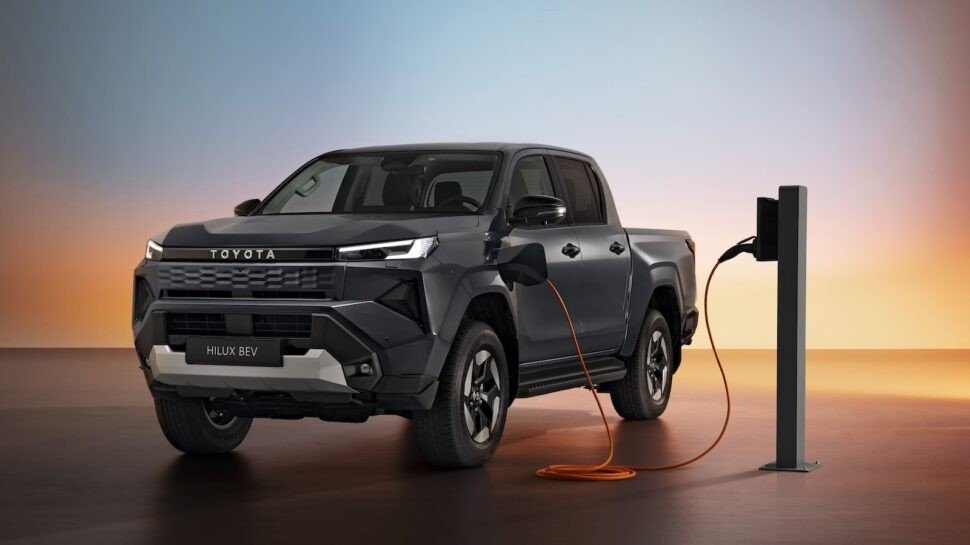
Kon's arrival coincides with historic results for Toyota. The group delivered 11.3 million vehicles in 2025, retaining its global crown for the sixth consecutive year. This performance validates the multi-energy strategy championed by Akio Toyoda, who remains board chairman.
The Solid-State Battery Revolution Underway
Toyota is accelerating its technological offensive with a pilot plant dedicated to solid-state electrolyte batteries. Developed in partnership with petroleum refiner Idemitsu Kosan, the project relies on a fascinating industrial synergy. Idemitsu produces massive quantities of sulfur during refining operations—a key ingredient in the sulfide-based solid electrolytes Toyota has chosen.
This revolutionary technology promises 1,000 km of range and exceptional durability. Unlike current lithium-ion batteries, solid-state cells offer superior energy density and reduced charging times. The pilot plant must produce several hundred tons of electrolytes annually, marking a decisive step toward commercialization.
Electric Kei-vans for Japan
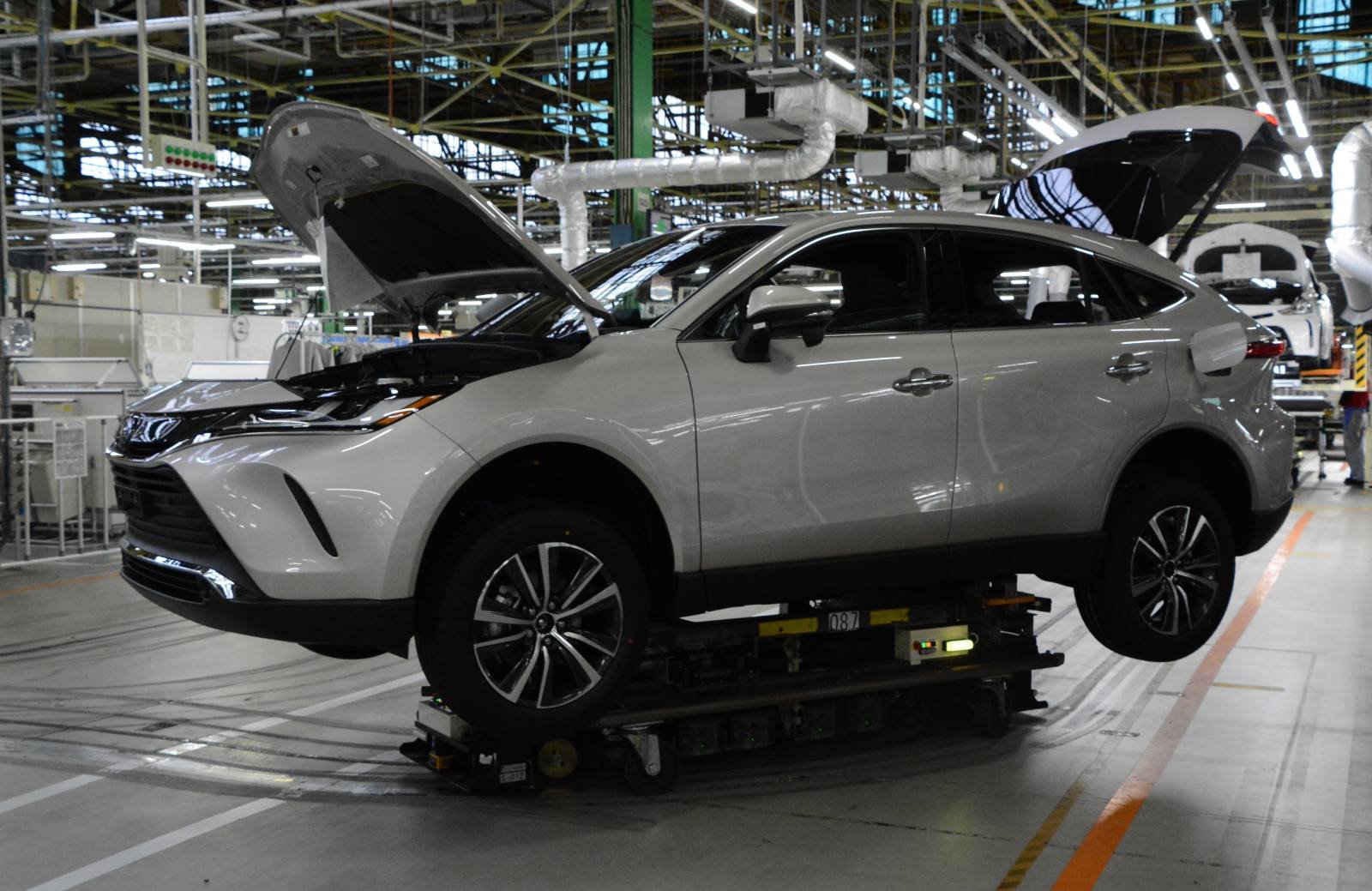
Toyota, Daihatsu, and Suzuki have unveiled electric versions of Japan's popular Kei-vans. The Pixis Van BEV, e-Hijet Cargo, and e Every share the same co-developed electric platform. These compact utilities measuring 3.40 m long pack a 36.6 kWh LFP battery and a 47 kW motor.
WLTC range reaches 257 km—sufficient for Japanese urban driving. Fast charging recovers 80% capacity in roughly 50 minutes. These vehicles also support Vehicle-to-Load bidirectional charging, powering electric tools via a 100-volt outlet.
How Does Toyota Innovate for Electric Motor Failures?
Toyota has developed a "noodloop" (degraded operation) system for failing electric motors. This patent breakthrough identifies damaged components and redirects energy to functioning sections. Concretely: if one motor section fails, the system automatically isolates the faulty zone and maintains reduced traction.
This innovation addresses a little-known problem with single-motor EVs. Currently, any internal failure shuts down the entire motor. With this system, drivers could reach a garage even with partial failure.
Sporting Dominance Continues in WRC
Elfyn Evans and the Toyota GR Yaris cars pulled off a historic sweep at Sweden Rally. The Japanese automaker claimed a clean podium lockout with Evans leading, followed by Takamoto Katsuta, Sami Pajari, and Oliver Solberg. It's the first time since Citroën in 2010 that one manufacturer has achieved consecutive complete podium sweeps in WRC.
](/uploads/optimized/2026-02-suzuki-04.jpg "BYD Seal 06 GT compact plug-in hybrid DM-i 4.63m rival [Toyota Corolla](/article/toyota-bz-woodland-2026-le-break-electrique-375-ch-qui-revolutionne)")
Evans leads the championship with 60 points versus 47 for Solberg. This performance underscores the GR Yaris Rally1's technical superiority—equally dominant on snow or mixed conditions. Gazoo Racing extends its constructor championship lead by 52 points over Hyundai.
China's Offensive Intensifies
BYD is readying its answer to the Toyota Corolla with the Seal 06 GT—a compact plug-in hybrid sedan that could reshape the segment. At 4.63 m long, it offers more space than European rivals while targeting aggressive pricing.
This strategy illustrates the Chinese playbook: offer more space at comparable cost. While Europe debates diesel, BYD arrives with plug-in hybrids promising 974 km of range via its

Written by
Jules DuboisSpecialist électrique, hybride, batterie, recharge, autonomie, technologies, electrique, nouveaute
Journaliste automobile passionné par la mobilité électrique et les nouvelles technologies. Après 10 ans dans la presse spécialisée, Jules décrypte ...
View all articles (12)Read More
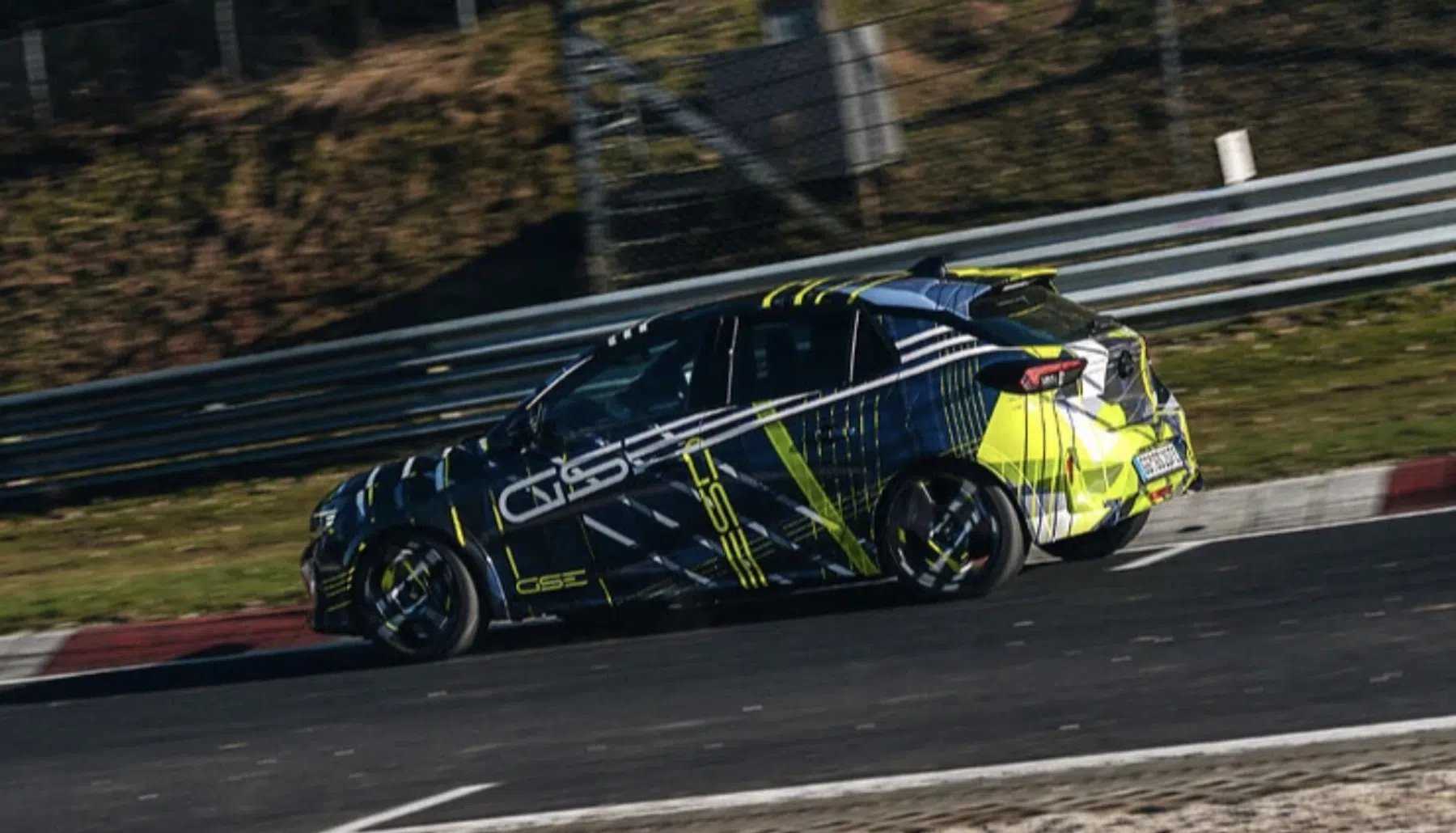
•Opel Corsa GSE: 280-HP EV Tests at Nürburgring
•Tesla Cybercab Production Launched, Record Q1 2026 Results
•2026 Porsche 911 Turbo S Hybrid Hits 60 MPH in 2.0 Seconds
•Tesla Semi: Mass Production in 2026 with 800 kW Charging
•Lamborghini Urus: Why the Brand Refuses to Go Electric
•Dacia Spring 2026: More Power, Still the Cheapest EV
•BMW M2 G87: 480 HP, Tuning, Depreciation & Track Kit Updates
•2026 Mazda CX-5: Bigger, Better Equipped, Some Compromises