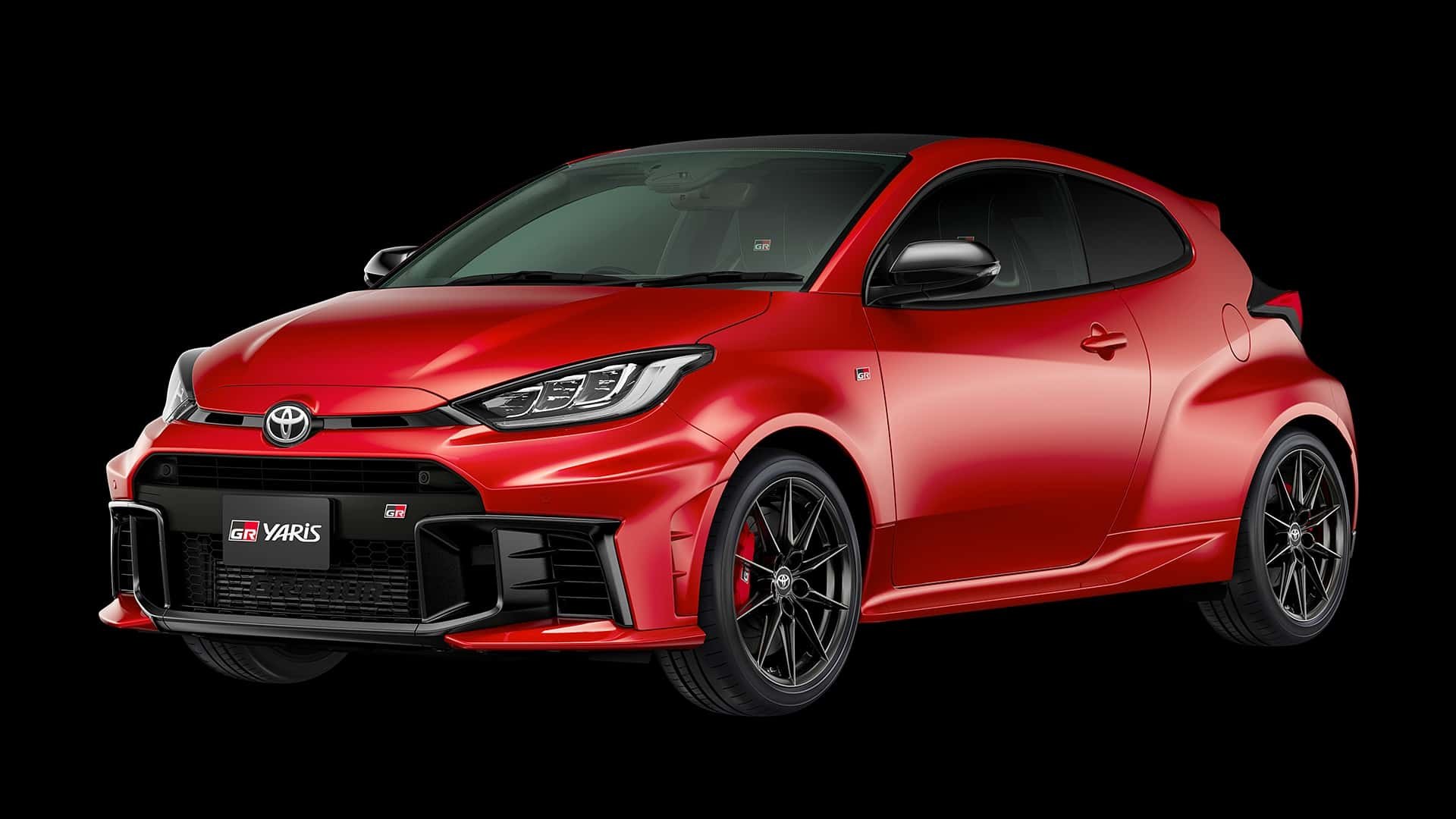
Toyota Redesigns EV Battery Layout for More Interior Space
Toyota is developing a new battery architecture that could reshape the interior design of its future electric vehicles. According to a recently published patent, the Japanese automaker is working on a system that relocates traditionally under-floor electrical components to a central tunnel or the front and rear extremities of the battery pack. The innovation aims to optimize passenger space and adapt electrification to a wider range of body styles.
"By moving control components away from the main pack, we can create a thinner battery and reclaim valuable space for passengers." — Toyota Patent #20260021716
Rethinking Battery Architecture for Real Cabin Space
Patents filed by Toyota last summer and published in January 2026 describe a fundamentally different approach to EV battery layout. Rather than following the conventional "skateboard" design where all electrical systems live under the floor, Toyota proposes scattering certain components into less critical zones.
Specifically, electromechanical units—comprising a motor and power controller—could be installed either in a central tunnel between the front seats or at the front and rear extremities of the battery pack. This reshuffling would allow for a noticeably thinner battery sitting beneath the seats.
The stated goal? Give designers breathing room to create genuinely spacious cabins and bring electric powertrains to lower-slung body styles like sedans and hatchbacks—not just tall SUVs.
What's Actually in It for Drivers?
This battery reorganization could deliver some tangible wins for future Toyota EV owners. A thinner pack means a lower floor pan, which translates to measurable knee and headroom improvements for rear passengers.
For manufacturers, it opens the door to electric vehicles with genuinely varied silhouettes. No more forced obligation to build tall SUVs just to accommodate batteries—electric sedans and wagons become viable without sacrificing interior livability.
Toyota's system also accounts for better weight distribution. By spreading heavy components across different vehicle locations, mass balance optimization could genuinely improve handling and dynamics.
Part of a Bigger Strategic Pivot
This innovation fits into Toyota's broader electric transformation, which is accelerating after years of playing catch-up. The Japanese giant is now diversifying across multiple battery technologies, including solid-state batteries developed with oil refiner Idemitsu Kosan.
Idemitsu is currently building a pilot plant in Chiba, outside Tokyo, for solid electrolyte production. The target: launch EVs equipped with this tech by 2027-2028, with claims of 745 miles of range (over 1,200 km) and lightning-fast charging.
Meanwhile, Toyota continues betting heavily on hybrids—the one powertrain where it still dominates globally. The company plans to build 6.7 million hybrids by 2028, roughly 60% of total output.
When Does This Actually Show Up in Showrooms?
Toyota hasn't announced a specific timeline for rolling out these new battery layouts. The patents, filed in 2025 and published early 2026, currently serve as R&D foundation work.
That said, this approach could eventually equip the next generation of bZ (Beyond Zero) electric models. The current bZ4X and its C-HR+ EV variant represent Toyota's first steps into pure electric, but still rely on relatively conventional architectures.
The battery wars are heating up. While Tesla and Chinese makers optimize packs for raw energy density, Toyota appears to be betting on layout flexibility as a competitive edge. A strategy that could pay off if it unlocks market segments currently locked out by today's battery geometry.
📚 Read Also

Written by
Jules DuboisSpecialist électrique, hybride, batterie, recharge, autonomie, technologies, electrique, nouveaute
Journaliste automobile passionné par la mobilité électrique et les nouvelles technologies. Après 10 ans dans la presse spécialisée, Jules décrypte ...
View all articles (12)Read More
•Toyota's Total Offensive: Electric, Hybrid, and V12 Luxury
•Toyota Corolla vs GR Yaris: From Cult Compact to Rally Legend
•2027 Toyota Highlander Goes All-Electric with 515 km Range
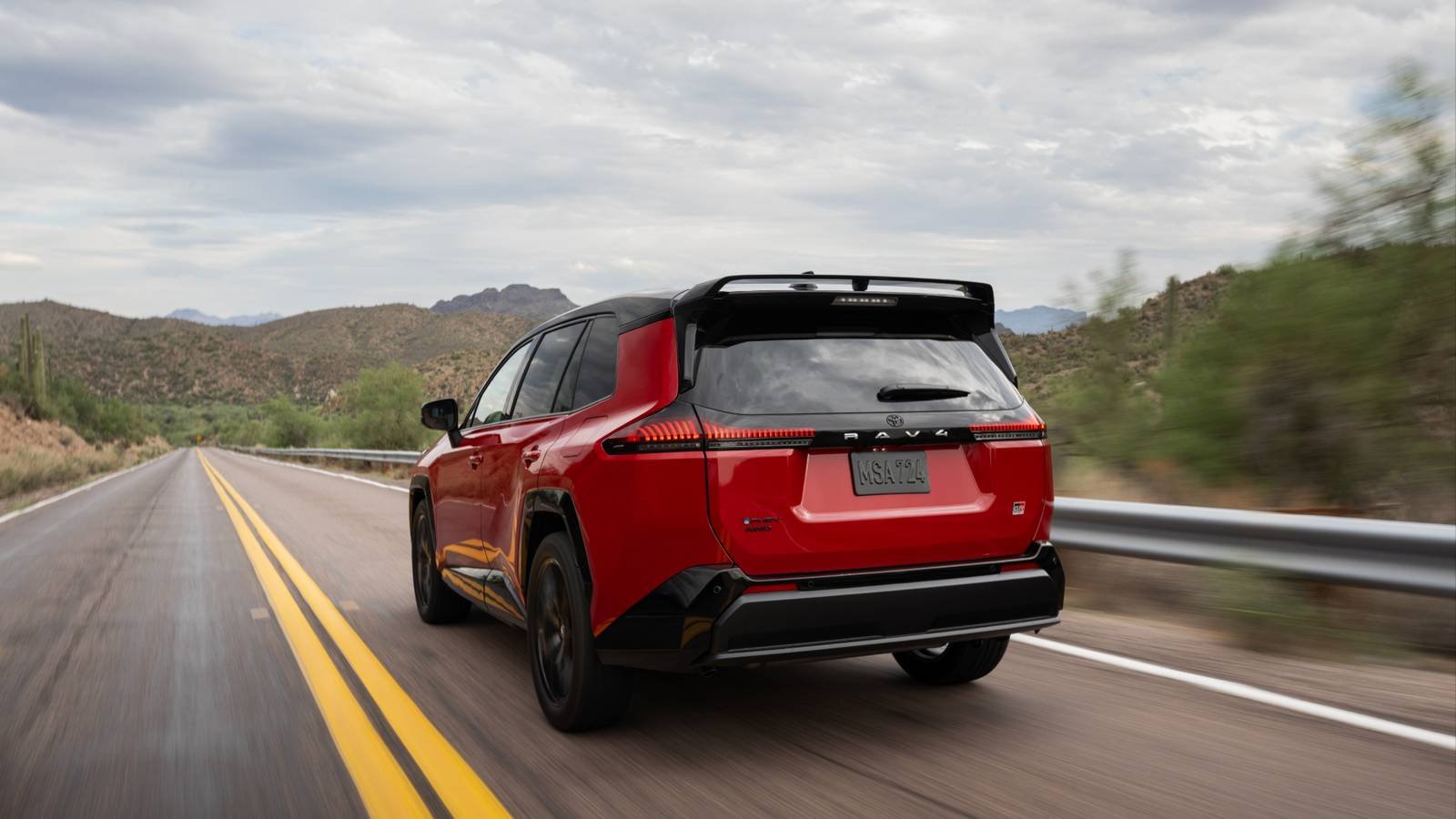
•2026 Toyota RAV4 Goes Full Hybrid From €46,450, Corolla Cross Gains Ground