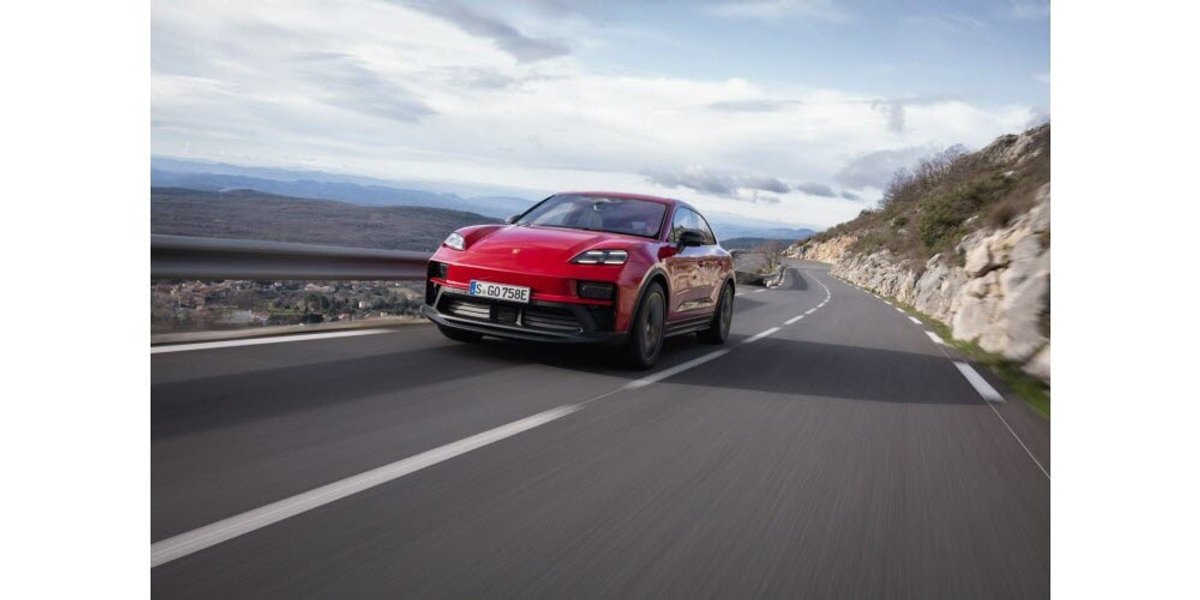
Porsche 911 2026: Record Prices & EV Evolution Confirmed
The Porsche 911 confirms its status as an unmissable automotive icon in 2026, dominating both the collector's market and high-end sports car sales. With used prices sometimes exceeding new sticker prices and constant technical evolution, the mythical German sports car proves it remains the absolute reference point.
"This GT3 in Lugano Blue illustrates the phenomenon perfectly: barely 825 km on the odometer, it changes hands for $310,000, with a tidy $54,000 profit in the bank" — Bring a Trailer
A Resale Value That Defies Economic Logic
In 2026, the Porsche 911 is experiencing a unique phenomenon on the automotive market. Used models are selling for more than new ones—a genuinely unprecedented situation. In California, one owner just resold their 2026 GT3 for $310,000 after only 825 kilometers, pocketing $54,000 more than their original purchase price of $256,080.
This price explosion stems from Porsche's strategy: deliberately limiting production to maintain scarcity. Officially, the GT3 isn't a limited series, but tight quotas and endless waiting lists push impatient buyers toward the used market.
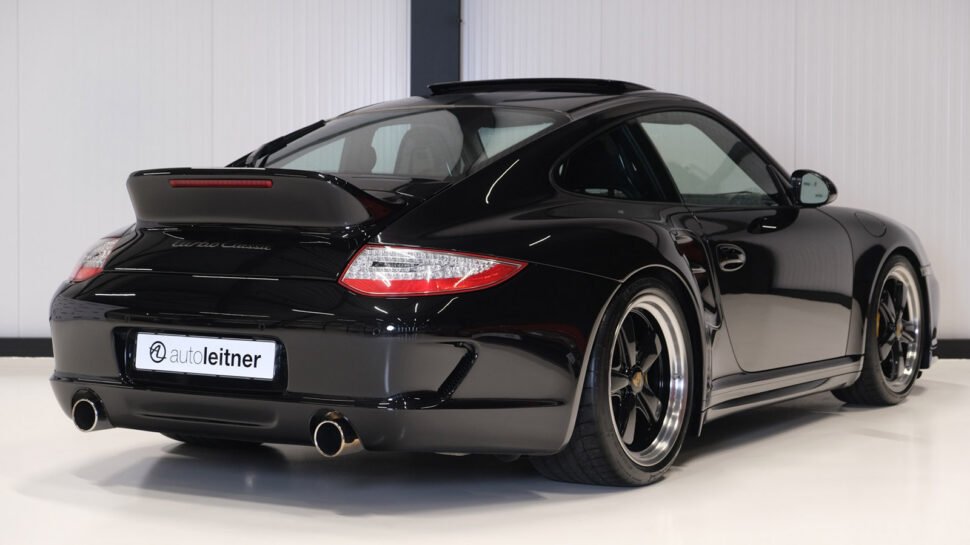
In France, AutoUncle data on 172 listings reveals used GT3 prices ranging from €105,000 to €280,000. The 2023 and 2024 model years average €230,000 to €240,000, well above original catalog prices.
The Collector's Queen Dethrones the 2CV
The 2026 benchmark released by Classic Expert at the Rétromobile auto show upends traditional hierarchies. For the first time, the Porsche 911 dethrones the Citroën 2CV as France's most sought-after classic car by collectors.
This shift reflects a profound evolution in taste. Gone are the days when populist nostalgia alone dictated collector choices. New collectors prioritize sporting heritage, reliability, and investment potential. The 911 checks every box with its unique blend of performance and automotive legacy.
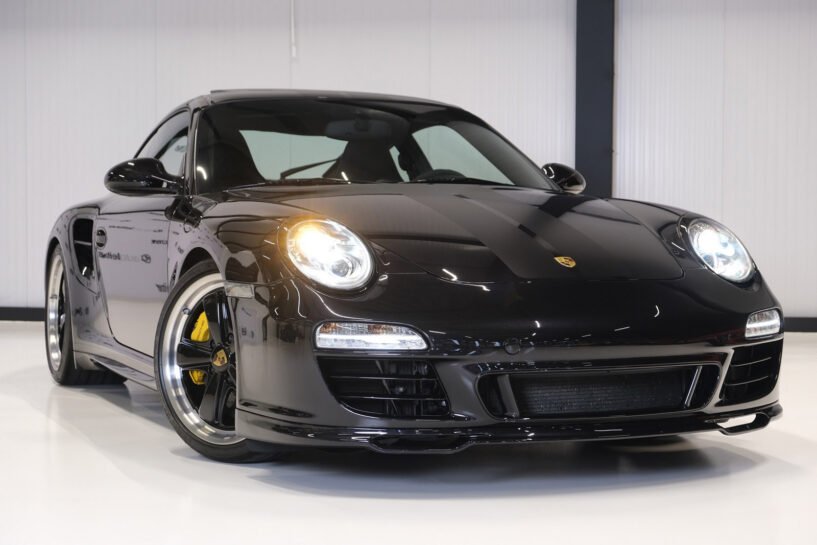
The phenomenon crosses international borders. Magnus Walker, the cult figure behind Urban Outlaw in Los Angeles, is about to disperse his legendary collection at an RM Sotheby's sale from March 18–25, 2026. Around 160 lots spanning 50 years of Porsche history will change hands, with major focus on 911s from the 1960s through the brutal GT2 and GT3 models of the 2000s.
GT3 RS: The Naturally Aspirated Engine's Last Stand
A page turns for the purists. According to several specialist publications, the next 992.2 GT3 RS will be the first in its lineage to abandon the naturally aspirated engine in favor of a turbocharged unit. This move, driven by evolving emissions standards, has flat-six enthusiasts grinding their teeth.
The current 992.2 GT3's 510-horsepower engine still retains this naturally aspirated purity, revving to 9,000 rpm with an incomparable soundtrack. But the next-generation GT3 RS should break with this tradition to meet regulatory constraints.
Porsche's leadership acknowledges the challenge: preserving the GT3's soul while meeting emissions standards is a balancing act. Inspiration might come from alternative solutions, like the one Lamborghini adopted on its Temerario.
What Does a 911 Actually Cost Today?
Prices vary wildly by variant. A 2025 911 Carrera Cabriolet starts at $135,395 in the United States—$25,000 more than a comparable Lexus LC500. The gap widens to nearly $40,000 for the 2026 model year.
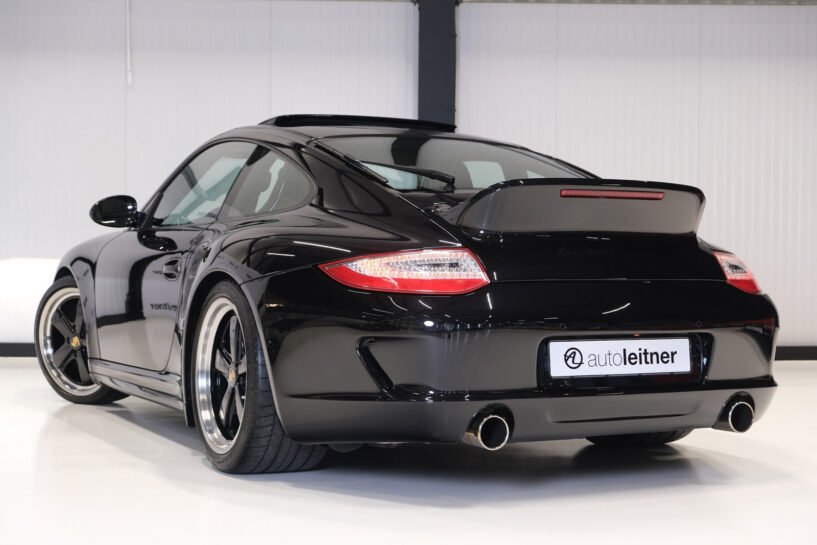
On the performance side, that premium makes sense on paper: 3.1 seconds to 60 mph with launch control, versus 4.6 seconds for the Lexus. Even without it, a standstill launch reaches 60 mph in 4.1 seconds.
In the used market, the new BMW M440i with 392 horsepower positions itself as the more affordable alternative at €77,700, but without the 911's aura or resale value.
Innovation Persists Despite the Constraints
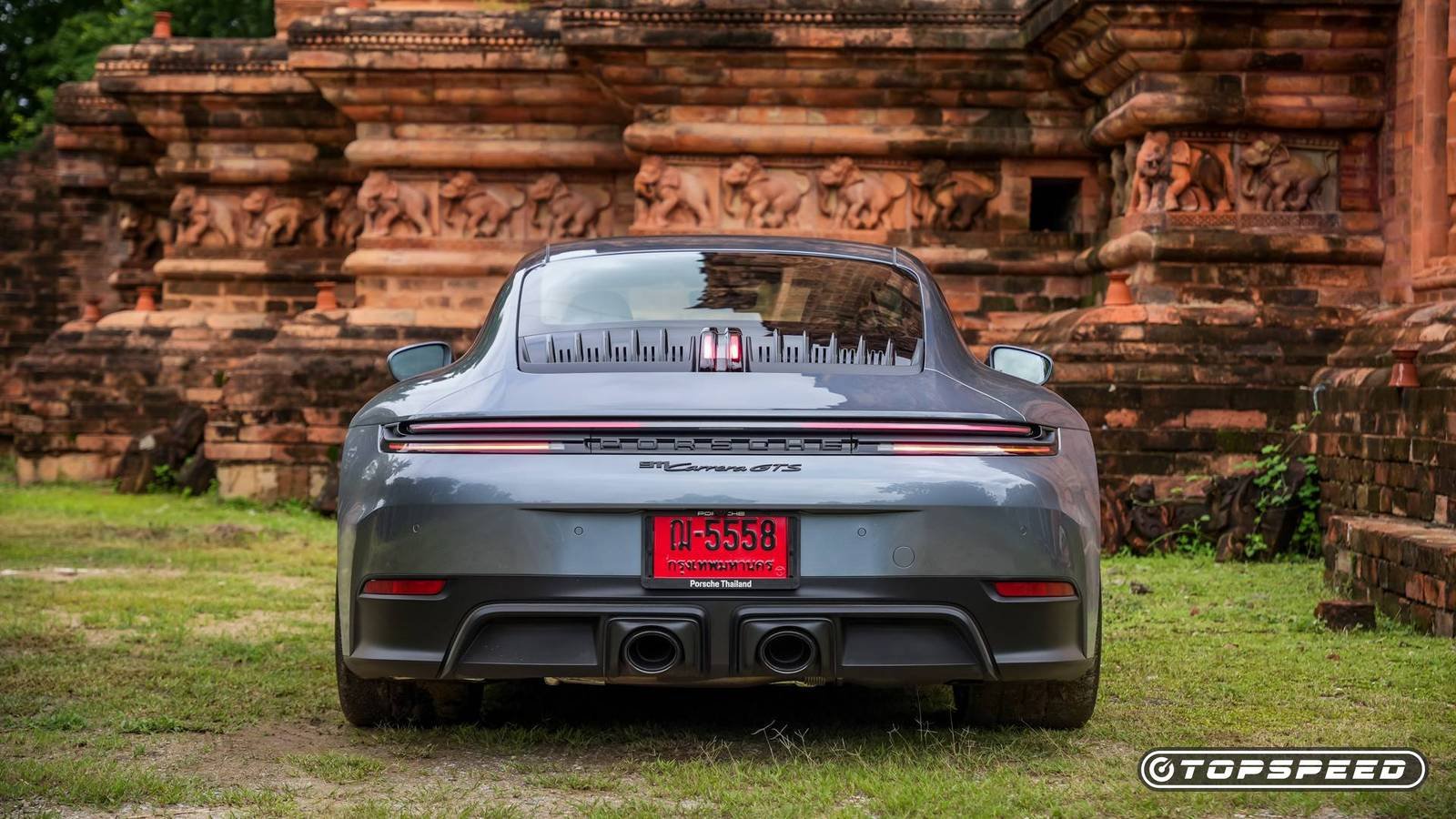
Porsche isn't merely coasting on reputation. GTS and Turbo S versions now integrate the T-Hybrid system, blending electric motors with traditional mechanics. This technology eliminates turbo lag while preserving the car's soul.
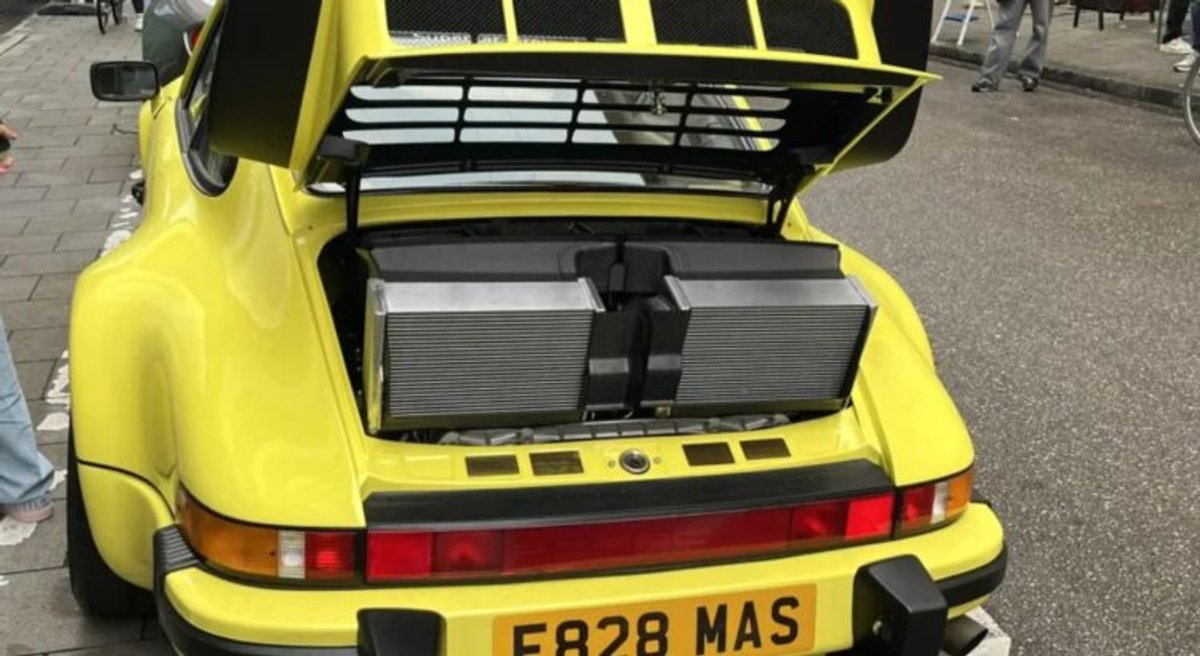
Singer Vehicle Design pushes reinterpretation further with Red Bull Advanced Technologies collaboration. Their work on 964 Cabriolet and Targa variants corrects these models' main weakness: structural rigidity shortcomings. By reinforcing the chassis while respecting original proportions, they've created modern-day collectibles that outperform originals without losing authenticity.
The verdict: In 2026, the 911 isn't just a sports car—it's become an investment vehicle that appreciates faster than stocks.

Written by
Jules DuboisSpecialist électrique, hybride, batterie, recharge, autonomie, technologies, electrique, nouveaute
Journaliste automobile passionné par la mobilité électrique et les nouvelles technologies. Après 10 ans dans la presse spécialisée, Jules décrypte ...
View all articles (12)Read More
•2026 Porsche 911 Turbo S Hybrid Hits 60 MPH in 2.0 Seconds
•Porsche 911 GT3: Scandal, Performance, and Bargains in 2026
•Porsche 911 in 2026: Investment, Records, and New Models
•BYD Denza Z vs Porsche 911: The European-Chinese GT War
•2026 Porsche 911 Turbo S Hybrid: 711 HP Makes It the Most Powerful Ever
•Mercedes-AMG GT Black Series vs Porsche 911: V8 Power vs Proven Tradition
•Porsche 911 Turbo S 2026: 701 HP Hybrid, 0-60 in 2.0 Seconds