
Peugeot Replaces PureTech with New Turbo 100 Engine
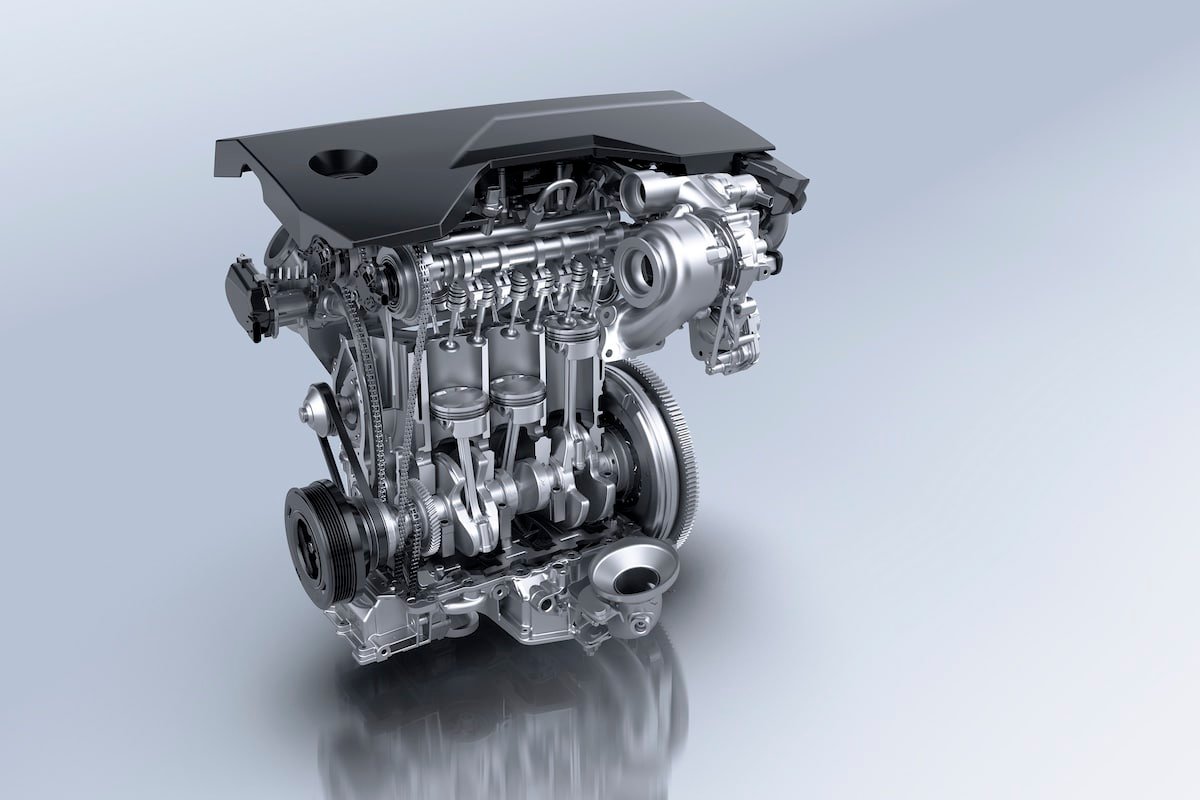
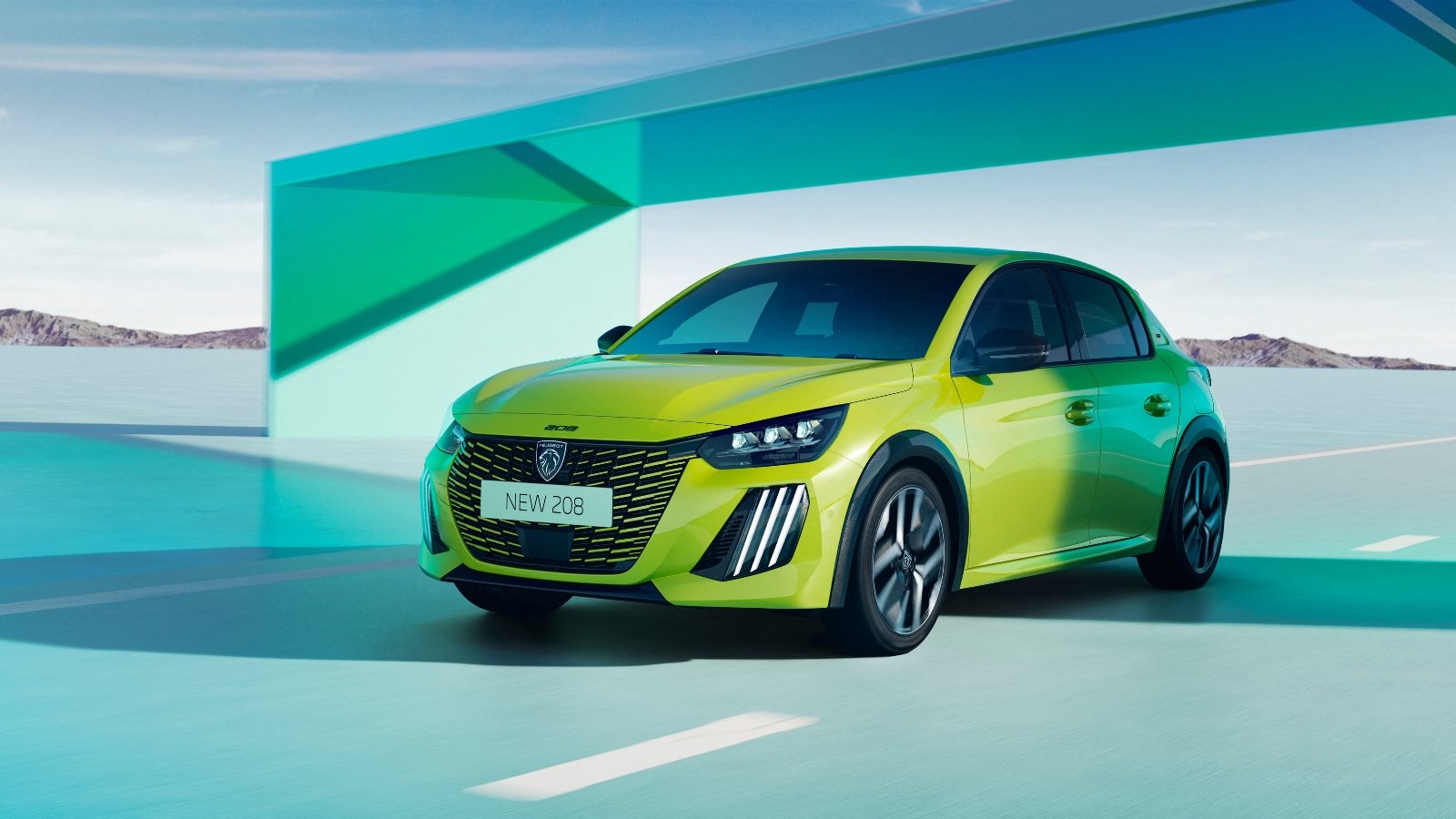
Peugeot finally kills off its infamous PureTech with the arrival of the Turbo 100. This new engine hits the 208 in March 2026, then the 2008 in May. With 70% brand-new components, a timing chain, and variable-geometry turbo, the Lion wants you to forget the headaches of its predecessor.
"30,000 hours on test benches and 3 million validation kilometers—that's solid proof of engine reliability" — Peugeot
No More Oil-Soaked Nightmares
The Turbo 100 sounds the death knell for PureTech on the Peugeot 208 and 2008. This three-cylinder displaces 1,199 cc, cranks out 101 hp at 5,500 rpm, and delivers 205 Nm of torque from 1,750 rpm onward. The numbers don't really move the needle, but the engineering is where everything changes.
First bit of good news: goodbye to the belt drowning in oil. That disaster—the one that turned your engine into a time bomb—is dead and buried. In comes a proper timing chain. Peugeot finally admits this solution offers "superior durability." Thanks for catching up, guys.
A Turbo That Actually Works
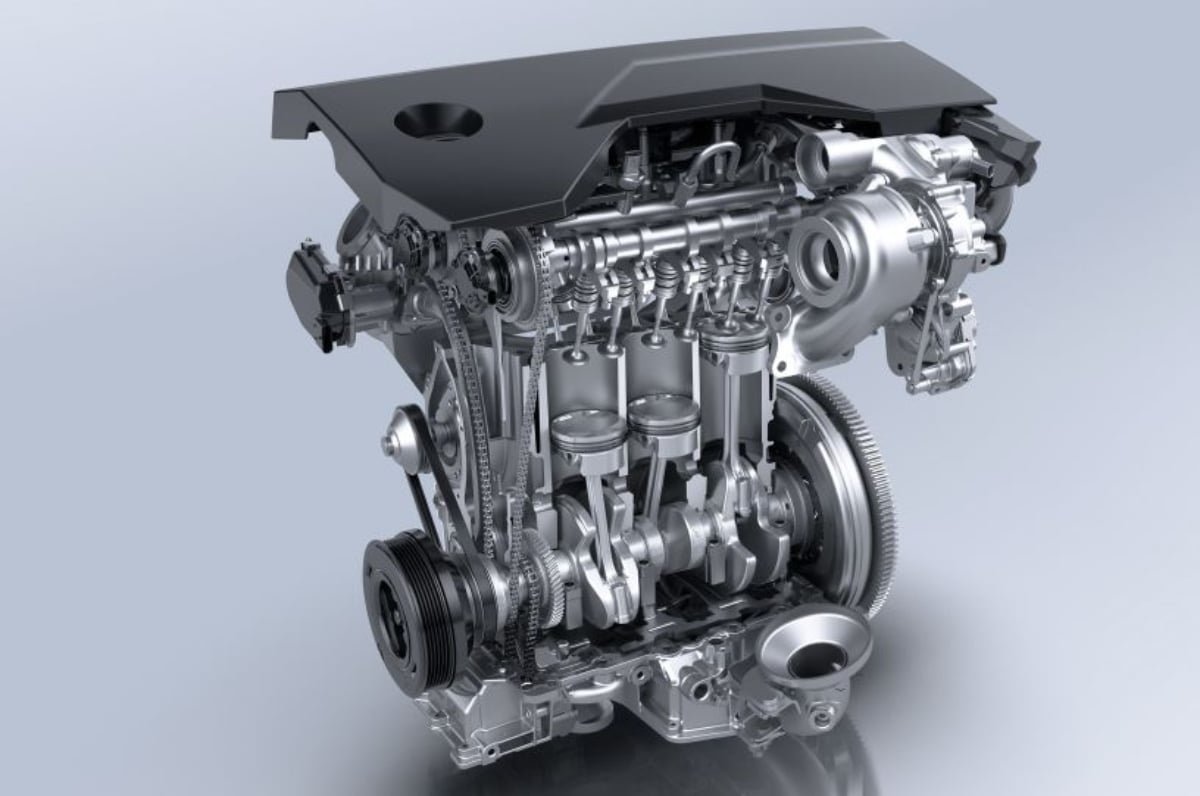
Here's where it gets interesting: the variable-geometry turbocharger. Instead of suffering the usual turbo lag, this system tweaks its vanes based on engine speed. Upshot: your engine responds when you stomp the throttle, not three seconds later. Game-changer in city driving and passing on the highway.
Direct injection cranks to 350 bar pressure. Couple that with Miller cycle logic and a meaty compression ratio, and you've got an engine that sips fuel while pushing hard. Peugeot claims 5.1 L/100 km for the 208 and 5.7 L/100 km for the 2008 on the combined cycle. We'll see how that holds up in the real world.
When You'll Get Your Hands on One
Timeline's locked in. The Turbo 100 rolls onto the Peugeot 208 in March 2026, then hits the 2008 in May 2026. A Turbo 110 version will round out the lineup on the Partner and Rifter vans.
📋 Fiche technique
They Went All-In This Time
Stellantis brought the heavy artillery to validate this block. Over 30,000 hours on test stands and 3 million kilometers thrashed by prototypes. Some test cars passed 200,000 km without a hiccup. That's the bare minimum after the last disaster.
Maintenance lightens up too. Service intervals stretch to every 2 years or 25,000 km instead of annually. Warranty jumps to 8 years or 160,000 km if you stick with Peugeot's service schedule. Now that's progress.
Versus the Germans: It Comes Down to Price
The Peugeot 2008 is still a bestseller in the urban SUV segment. Up against the Volkswagen T-Roc starting at €36,755 with its 1.5 eTSI pushing 150 hp, the Frenchman plays it smart—hybrid entry model kicks off at €33,510.
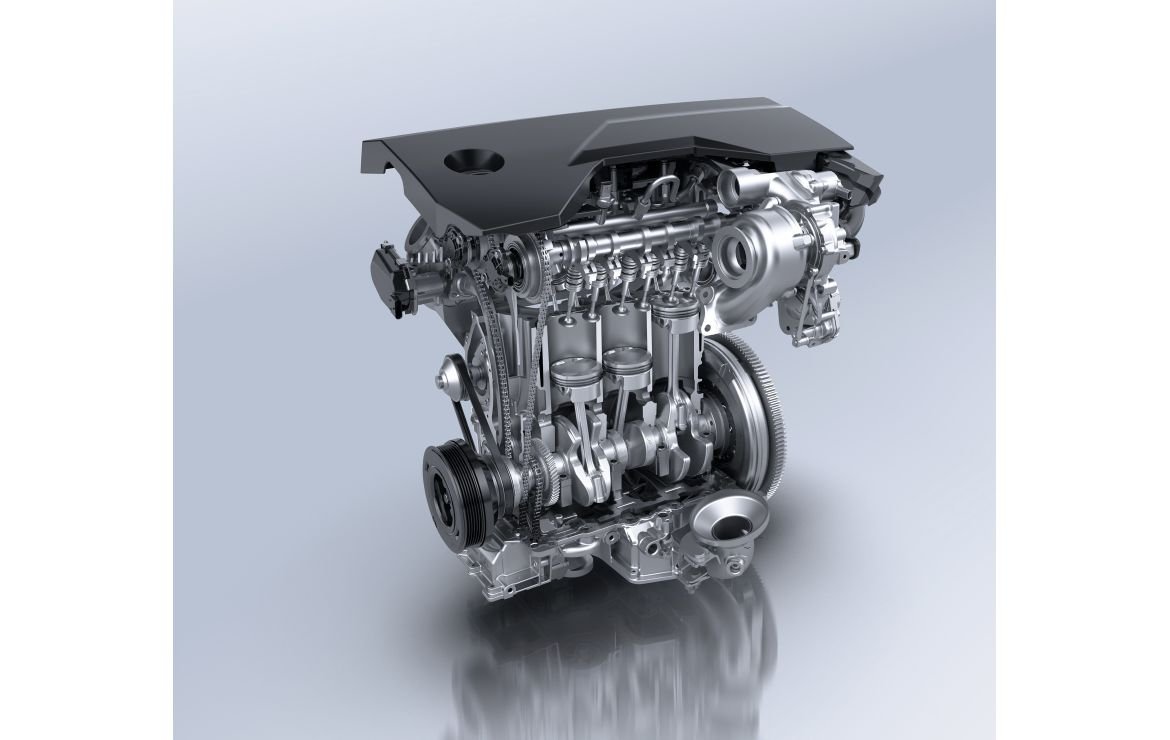
Will this Turbo 100 make you forget PureTech's rap sheet? Peugeot's betting big on this card. With this third iteration of their gas engine, the carmaker wants to prove it learned its lesson. Remains to be seen whether this mill delivers long-term. Because on reliability, Peugeot's got serious credibility to rebuild.
Questions fréquentes
Is the Turbo 100 Actually All-New?

Written by
Thomas MartinSpecialist SUV, suv, crossover, essai, utilitaire, familiale, pickup, comparatif, citadine, berline, cabriolet
Expert SUV et crossovers depuis plus de 15 ans, Thomas a parcouru les routes du monde entier pour tester les véhicules les plus robustes. Ancien pi...
View all articles (10)Read More
•2026 Peugeot 308: Prices, Engines, and Tech Complete
•Peugeot 9X8 2026: New GTI Livery in Classic 205 Colors
•Peugeot Nautilus 1997: The Pininfarina Concept That Redefined the Sedan
•Peugeot 208 2027: Electric Rebirth, Hybrid Survival
•Peugeot 408 Facelift Avoids Price Hike Despite Inflation
•Tesla Cybercab Production Launched, Record Q1 2026 Results
•2026 Porsche 911 Turbo S Hybrid Hits 60 MPH in 2.0 Seconds
•Tesla Semi: Mass Production in 2026 with 800 kW Charging