Nissan Leaf: Robotaxis, Recycled Batteries, and a 488 km Range
The Nissan Leaf is multiplying its future projects: autonomous robotaxis in Tokyo by the end of 2026, a charging station powered by recycled batteries in Spain, and a new generation with up to 488 km of range. The pioneer of mainstream EVs proves its second youth is just beginning.
"We have sold twelve 30 kWh batteries from first-generation Nissan Leafs that retain 80% of their original capacity after more than a decade" — Little Electric Energy
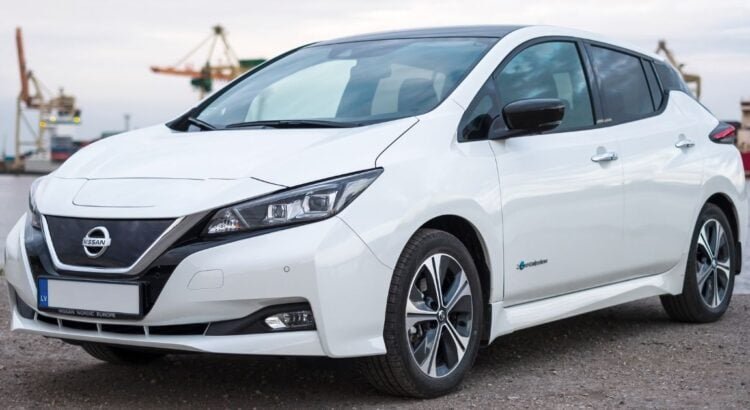
The Nissan Leaf is no longer content with just being the pioneer of mainstream electric mobility. After democratizing zero-emission mobility since 2011 with nearly 700,000 units sold worldwide, the Japanese automaker is now betting on three fronts: range with its new generation, autonomous driving with robotaxis, and the circular economy with battery recycling. A triptych that is redrawing the future of this iconic model.
A Third Generation That Changes Everything
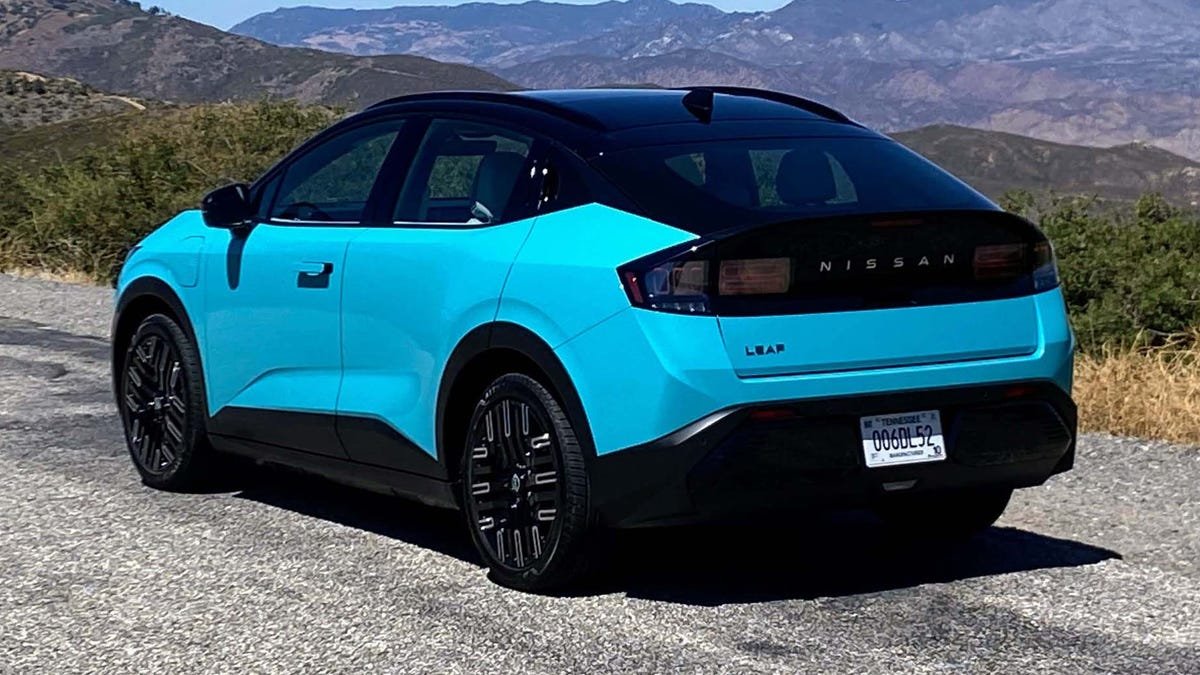
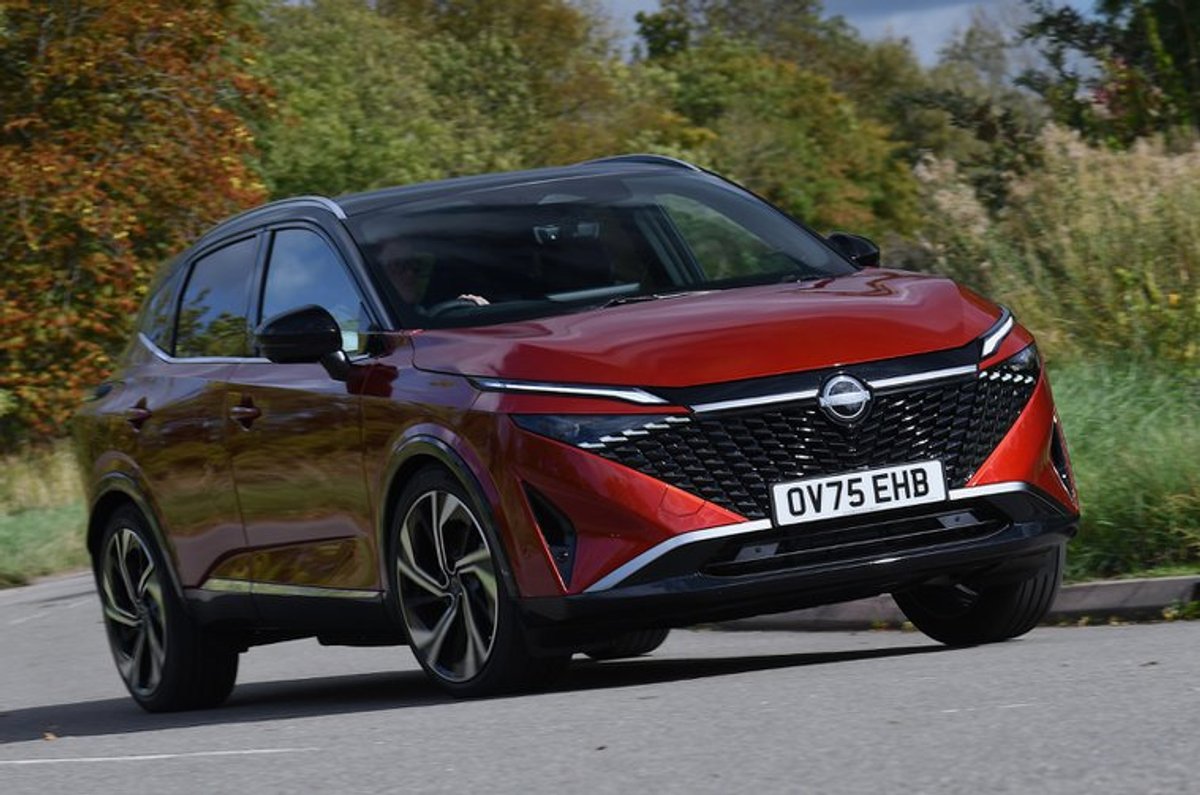
The new 2027 Leaf marks a major stylistic break. Gone is the compact sedan design, replaced by a crossover with sharp lines and a drag coefficient Cx of 0.25. The 214 horsepower electric motor propels this 75 kWh version for 488 km on the mixed cycle, nearly double that of the first generation.
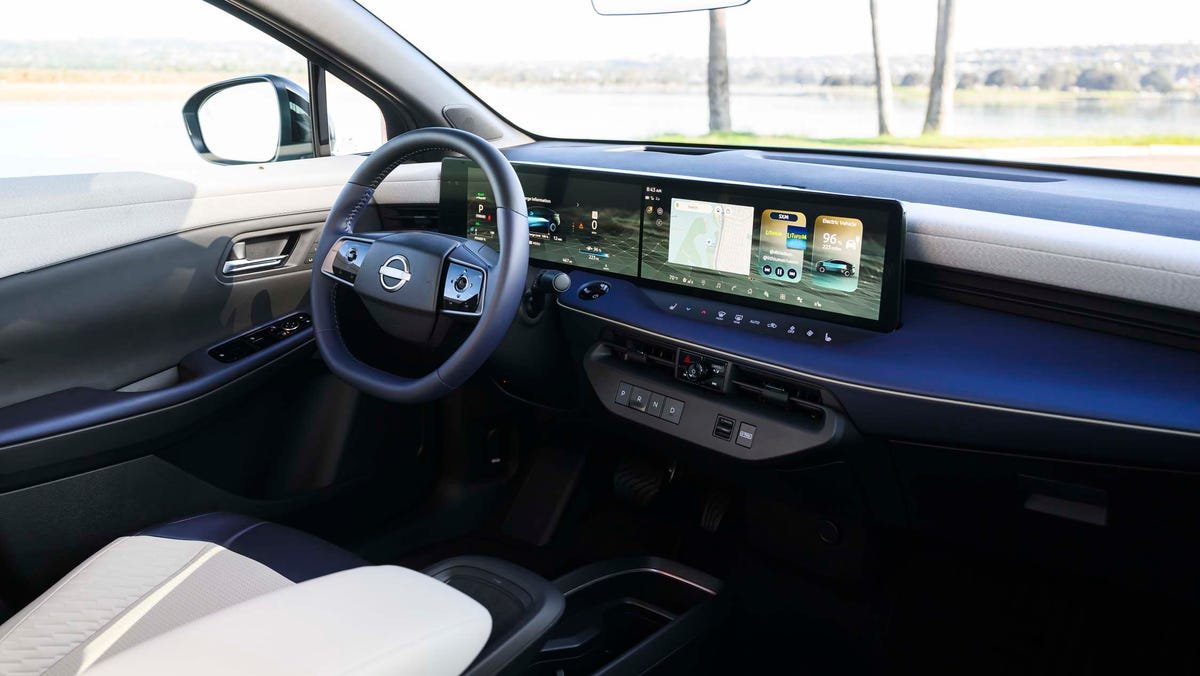
Charging performance takes a leap with 150 kW DC fast charging. Enough to recover 417 km of range in just 30 minutes. The cabin benefits from an electrochromic panoramic roof and two screens of 12.3 or 14.3 inches depending on trim.
What's the Price for the New Generation?
In Canada, Nissan announces a starting price of $47,000 for the base version equipped with the 52 kWh battery. An even more accessible version is reportedly in preparation, but its price remains to be confirmed. In Europe, prices have not yet been announced.
Leaf Robotaxis in Tokyo
The alliance between Nissan, Uber, and Wayve promises autonomous Leafs on the streets of Tokyo before the end of 2026. These vehicles equipped with the Wayve AI Driver system will initially operate with a safety operator on board, before a wider deployment.
This collaboration marks Uber's first foray into autonomous vehicles in Japan. Customers will be able to book these robotaxis via the usual app, as part of a global service planned for more than ten cities.
When Old Batteries Make New
At the port of Vigo in Spain, twelve 30 kWh batteries from old Leafs power a 240 kW ultra-fast charging station. This pilot project by Little Electric Energy transforms end-of-life automotive batteries into a stationary storage system.
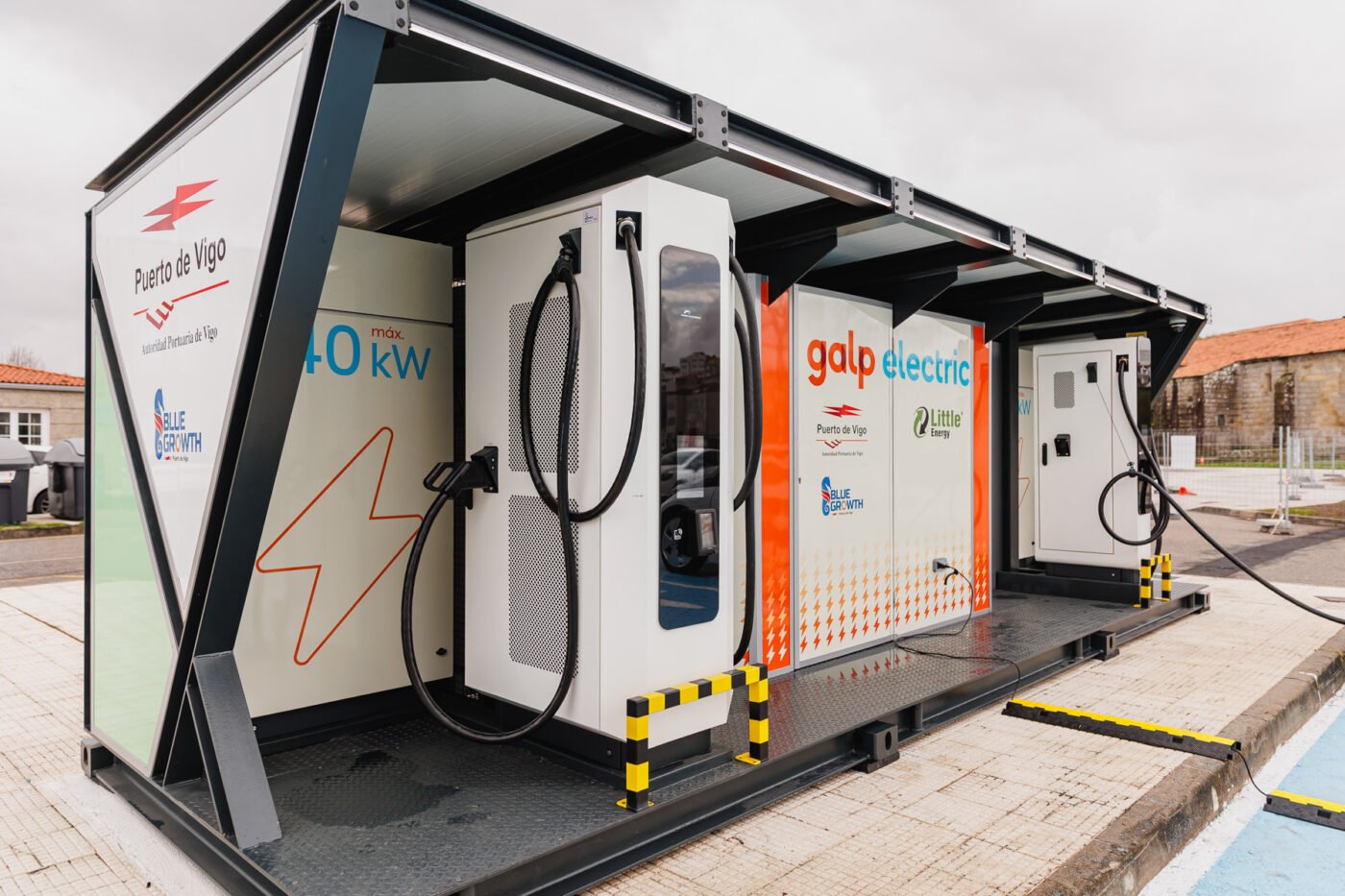
These first-generation batteries, sold between 2015 and 2017, still retain 80% of their original capacity. Assembled in a container, they form a 300 kWh energy "reservoir" capable of powering four charging points simultaneously.
A Solution for Saturated Grids
The concept solves a growing problem: installing fast chargers in areas where the local electrical grid lacks capacity. The storage charges slowly via the available connection, then releases energy quickly to vehicles.
According to Soufiane El Khomri, Director of Nissan Energy Europe, this approach "unlocks ultra-fast charging in ports, industrial sites, and other locations where grid capacity is limited." The pilot will last at least one year in partnership with the operator Galp.
The Circular Economy in Motion
This initiative is part of a broader effort by Nissan to valorize its used batteries. After 10 to

Written by
Jules DuboisSpecialist électrique, hybride, batterie, recharge, autonomie, technologies, electrique, nouveaute
Journaliste automobile passionné par la mobilité électrique et les nouvelles technologies. Après 10 ans dans la presse spécialisée, Jules décrypte ...
View all articles (12)Read More
•Nissan Leaf: App Shutdown, Sales Paused, New Prices
•Nissan Leaf 3: US Delay, New Partnerships, and Innovations
•BMW iX3, Hyundai Palisade & Nissan Leaf vie for 2026 World Car Award
•Nissan LEAF 2026: Electric SUV That Changes the Game
•Nissan, Stellantis, Peugeot: Carmakers Face the Hybrid Turning Point
•Nissan Qashqai e-Power 2026: 205 HP for This Family Hybrid SUV

•Nissan: 5 New Body-On-Frame SUVs Planned by 2028