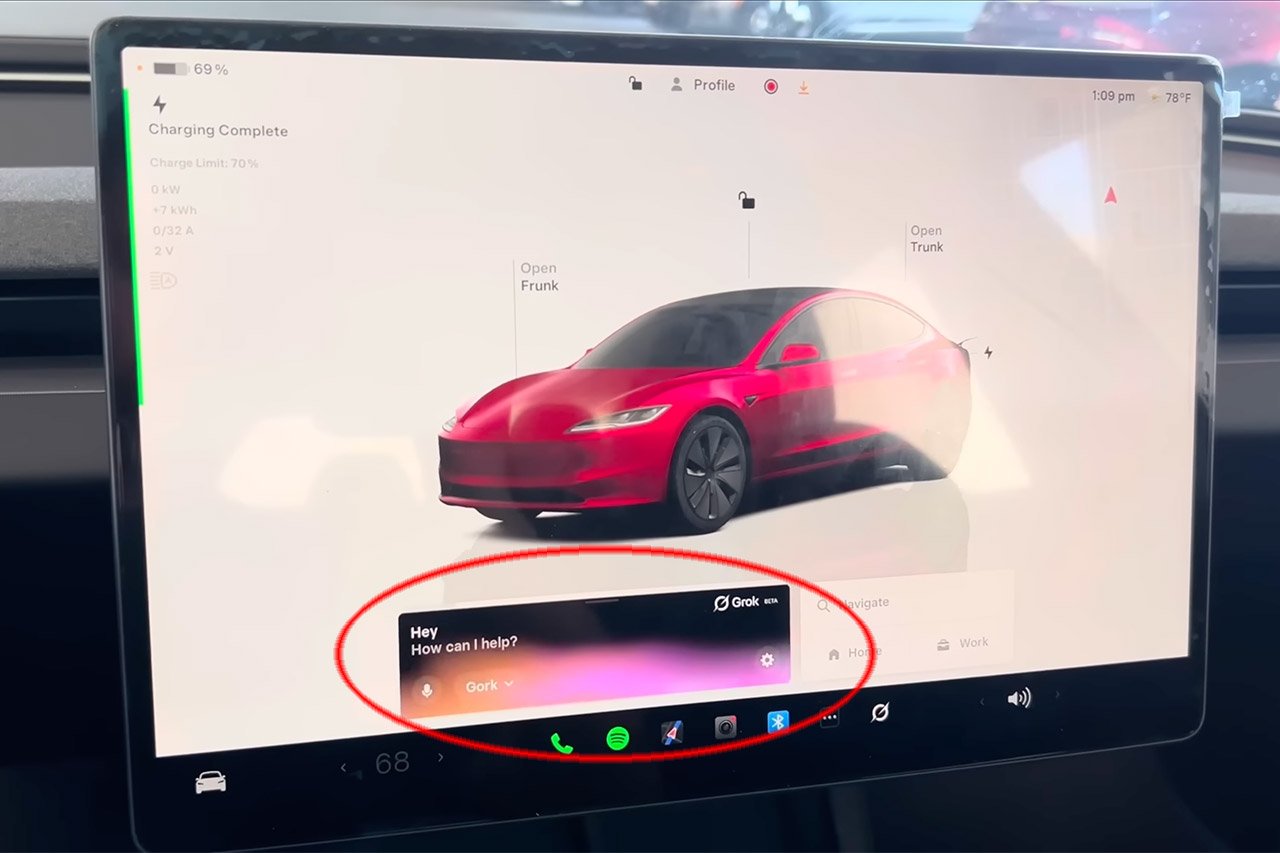
Tesla Model S: China Bans Yoke Steering Wheel by 2027
China is imposing its safety regulations and eliminating Tesla's yoke steering wheel from its market. Starting in January 2027, new vehicles equipped with this half-wheel design will no longer be permitted for sale in China, forcing the American manufacturer to overhaul its production strategy for this crucial market.
"A yoke, by definition, does not provide the same contact surface as a traditional circular steering wheel. Less material between the driver and the steering column." — Draft Standard GB 11557-202X, Chinese Ministry of Industry
Stricter Safety Standards
China's Ministry of Industry and Information Technology has just released a draft national standard that reshapes the rules for steering wheels. The forthcoming regulation GB 11557-202X mandates impact tests at ten distinct points on the steering wheel. A significant problem for the yoke: it simply lacks the upper half.
This U-shaped wheel, popularized by the Tesla Model S Plaid since 2021, cannot meet Chinese requirements. The yoke's distinctive geometry reduces the cushioning zones between driver and steering column, making it impossible to pass the required tests.
A Planned Transition for 2027
The regulation takes effect January 1, 2027. Models already in circulation will enjoy a brief grace period, but Tesla must quickly adapt its production. The manufacturer already offers an alternative with the traditional round steering wheel on its Model S and Model X.
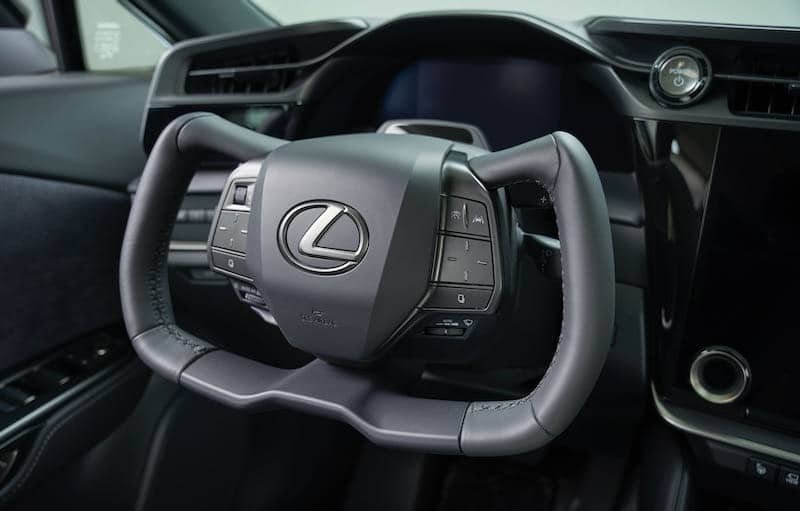
Other manufacturers are equally affected. The Lexus RZ also offers a yoke steering wheel variant, though this configuration remains marginal in the European market.
Brand Image Over Practicality
China's decision strikes Tesla at a precarious moment. Global sales fell 9% in 2025, and the company recently announced it would halt Model S and Model X production in the second quarter of 2026. Fremont's plant will pivot toward assembling humanoid Optimus robots.
The yoke steering wheel was designed to enhance the view of the instrument panel and strengthen the futuristic appearance of the cabin. Yet its ergonomics have always proven contentious, particularly during low-speed maneuvers where the inability to "cross" hands as with a traditional wheel disconcerts some drivers.
When Does This Rule Apply?
The Chinese standard takes effect January 1, 2027, giving manufacturers one year to adapt. Tesla must therefore adjust its production strategy for the Chinese market accordingly.
Beijing Sends a Clear Message
Beyond technical considerations, this regulation signals something profound. China prioritizes measurable safety over spectacular innovation. The country, which represents a vital market for Tesla with 1.8 million electric vehicles sold in 2025, does not hesitate to impose its standards.
This pragmatic approach contrasts sharply with American and European markets, where the yoke steering wheel remains permitted despite criticism. China thus reinforces its position as the world's most strictly regulated automotive market—where the "wow factor" takes a backseat to safety compliance.
📚 Read Also

Written by
Sophie RenardSpecialist luxe, premium, sportive, sport auto, allemandes, reglementation, assurance, prix, ventes
Spécialiste du segment premium et luxe, Sophie couvre l'actualité des marques prestigieuses depuis 12 ans. Ancienne attachée de presse pour un cons...
View all articles (15)Read More
•Tesla Model S and X: Production Halt Confirmed March 2026
•Tesla Ends Model S and X Production in June 2026
•Tesla Cybercab Production Launched, Record Q1 2026 Results
•Tesla Semi: Mass Production in 2026 with 800 kW Charging
•Tesla Model Y 2026: 7-Seat and Model Y L Arrive in Europe
•Tesla Drops Autopilot in California to Keep Selling Cars
•Tesla Cybercab: Production Begins, Price Confirmed Under $30,000
•Tesla Cybertruck AWD at $59,990: Most Accessible Version Finally Here