Stellantis Firefly Engine Replaces PureTech on Fiat Models
Stellantis is shifting gears on the gasoline engines for its small cars. The Italian-American group is preparing the Firefly engine to take over from the PureTech (formerly Prince) across a large portion of its city cars and compacts in Europe — including Fiat, Peugeot, Citroën, and Opel models. Transition timeline, reliability, displacement: here's what we really know.
"The Peugeot 308 is getting diesel back" — Automobile Magazine, on Stellantis's new engine strategy
The PureTech: A Cumbersome Legacy
The 1.2-liter three-cylinder PureTech has a well-established reputation — and not the best one. For years, this engine shared across Peugeot, Citroën, Opel, DS, and Fiat accumulated issues with timing chains and head gaskets. Stellantis has spent hundreds of millions on recalls and warranty extensions. On the Peugeot 3008, Automobile Magazine notes the absurdity of a family SUV powered by "a little 1.2-liter three-cylinder for a type of vehicle that once could get a 2.0-liter HDi with 180 hp and generous torque." The message is clear: the PureTech, even improved, drags a reputation anchor.
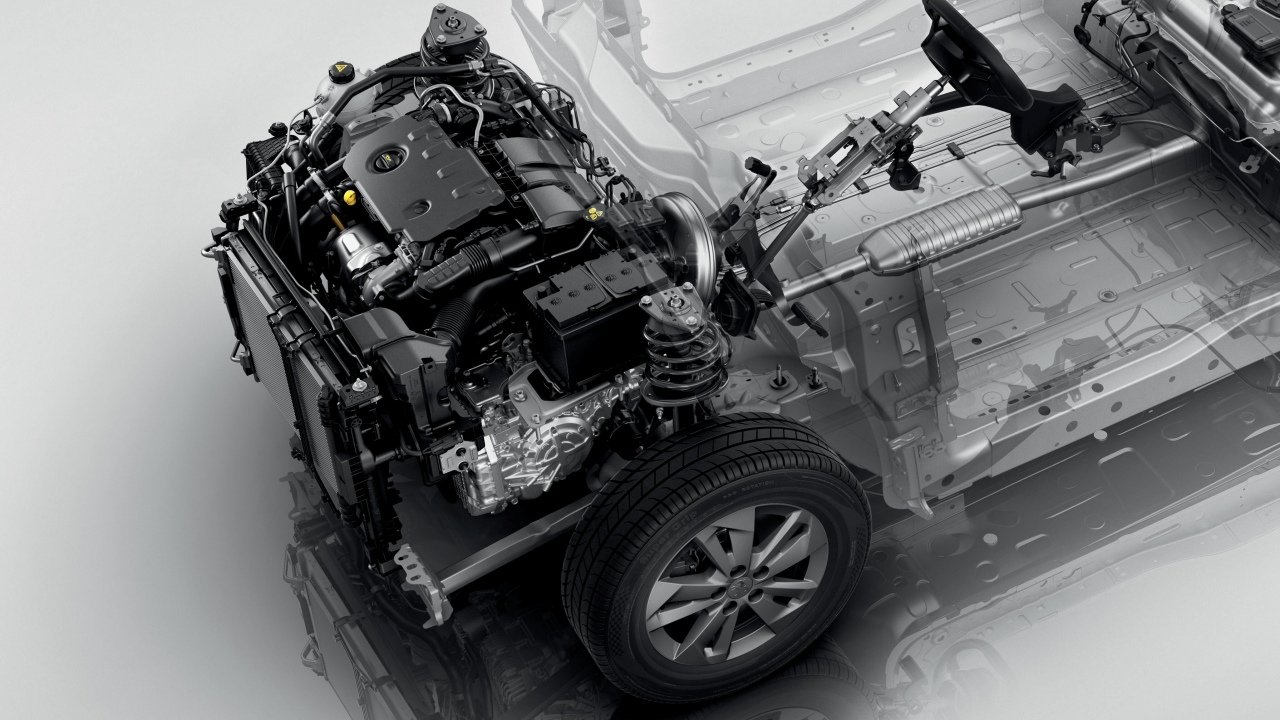
What Exactly Is the Firefly?
The Firefly is a gasoline engine initially developed by Fiat for emerging markets (Brazil, India). It's a 1.0-liter three-cylinder or 1.3-liter four-cylinder depending on the version, with a modern architecture and a reputation for robustness quite different from the PureTech. The big question: can an engine designed for Brazilian Fiat Argo and Cronos models meet European demands for emissions, refinement, and performance?
On paper, the Firefly has strengths. The architecture is simpler, and reliability in the markets where it's been running for several years is good. But "simple and robust" doesn't mean "Euro 7 ready" without significant engineering work. Stellantis will have to contend with tightening European emissions standards, all while the group loses ground everywhere.
📋 Fiche technique
When Will This Engine Arrive in Europe?
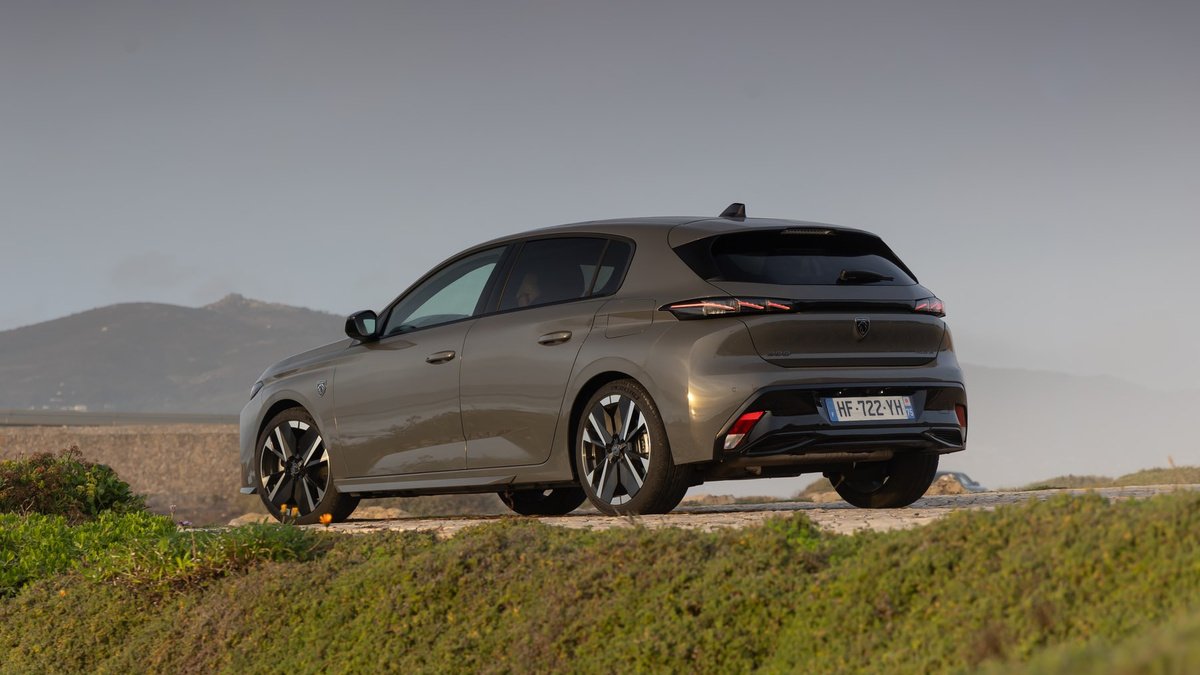
No official date has been announced by Stellantis for a European rollout of the Firefly on high-volume models. The transition seems to be happening gradually, model by model. What's certain is that the PureTech won't be renewed indefinitely: Stellantis has clearly signaled it's looking for a successor for this engine in its small displacement segment, and the Firefly is the most serious internal candidate. Adaptation to Euro 7 standards — which take effect from 2026 for new models — will be the real test.
Stellantis's Engine Strategy Is All Over the Place
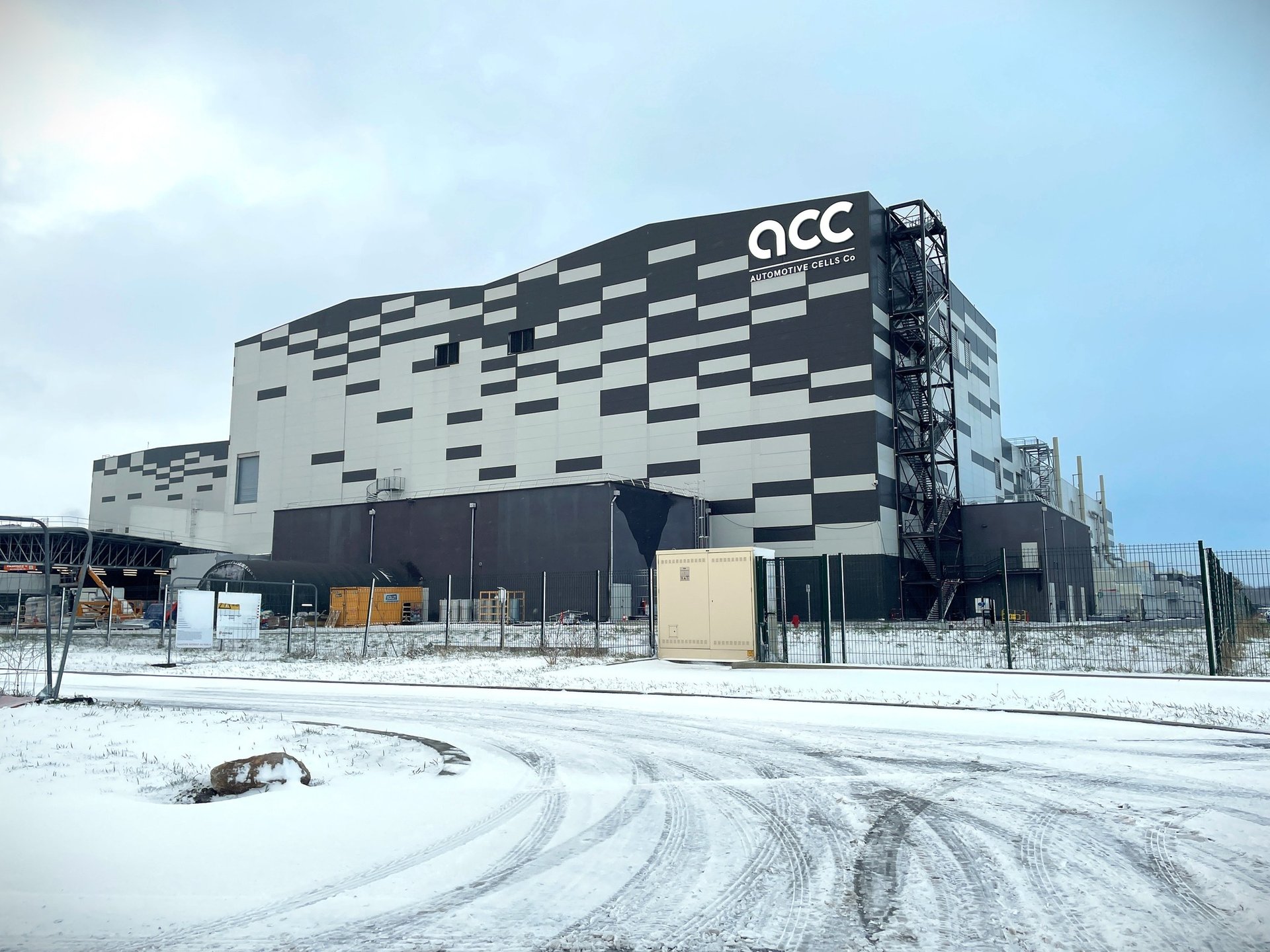
This is where it gets interesting — or worrying, depending on your perspective. On one hand, Stellantis is bringing diesel back to compacts that had lost it: the Citroën C4 and Peugeot 308 will get an HDi engine again, according to Automobile Magazine. On the other hand, the group is preparing the Firefly as a gasoline successor, while managing the electric transition with ACC (its battery joint venture with Mercedes and TotalEnergies) which is facing ramp-up difficulties at the Douvrin plant.
For commercial vehicles, it's another story entirely: the 2.2-liter Multijet has just been homologated for Euro 6e-bis and replaces the 2.0-liter on the Fiat Scudo, Citroën Jumpy, Peugeot Expert, and Opel Vivaro. This new engine boasts up to 13% fuel consumption reduction compared to its predecessor, with two power levels at 150 hp and 180 hp, both delivering 400 Nm of torque.
The Diesel That's Coming Back

Written by
Jules DuboisSpecialist électrique, hybride, batterie, recharge, autonomie, technologies, electrique, nouveaute
Journaliste automobile passionné par la mobilité électrique et les nouvelles technologies. Après 10 ans dans la presse spécialisée, Jules décrypte ...
View all articles (12)Read More
•Fiat Topolino 2026: New Orange Color and Improved Screen
•Stellantis to Integrate Leapmotor Tech in Fiat, Opel, Peugeot
•Fiat Grande Panda Lease Deal: Just €39/Month All-In
•Tesla Cybercab Production Launched, Record Q1 2026 Results
•2026 Porsche 911 Turbo S Hybrid Hits 60 MPH in 2.0 Seconds
•Tesla Semi: Mass Production in 2026 with 800 kW Charging
•Lamborghini Urus: Why the Brand Refuses to Go Electric
•Dacia Spring 2026: More Power, Still the Cheapest EV