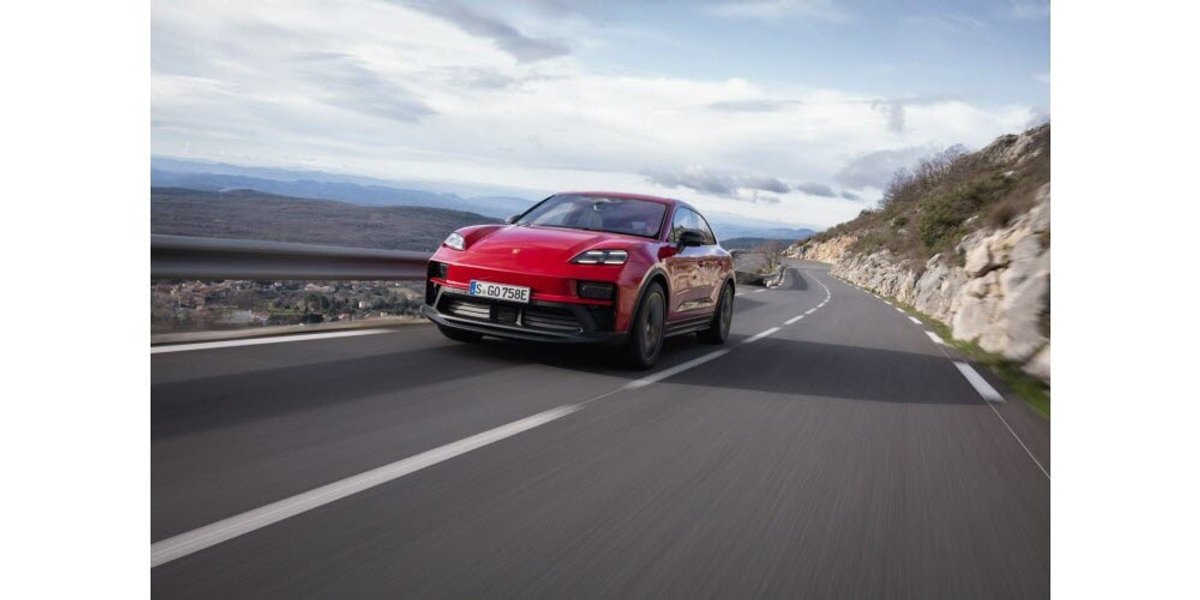
Porsche Cayenne: Brand Maintains Both ICE and Electric Versions
Porsche is finally owning its multi-energy strategy with the Cayenne. While the Zuffenhausen brand deploys its electric lineup with the Cayenne Electric, it simultaneously backpedals by extending the life of the combustion model with a facelift. A decision that formalizes the abandonment of the all-electric strategy following the relatively disappointing commercial performance of the Macan Electric.
"We sold out the 2026 production run in just 3 months" — Mathias Busse, CEO of Porsche Korea
This strategic about-face deserves decoding. Porsche had initially planned to completely replace its combustion Cayenne with a 100% electric version, mirroring the strategy adopted for the Macan. However, the disappointing sales of the Macan Electric — which failed to compensate for those of the old gasoline model — forced Stuttgart to reconsider its ambitions. "After the launch of the Porsche Macan Electric, the German brand quickly realized that removing the combustion Macan from its catalog was a bad idea," confirms Caradisiac.
A Discreet Facelift to Mask the Embarrassment
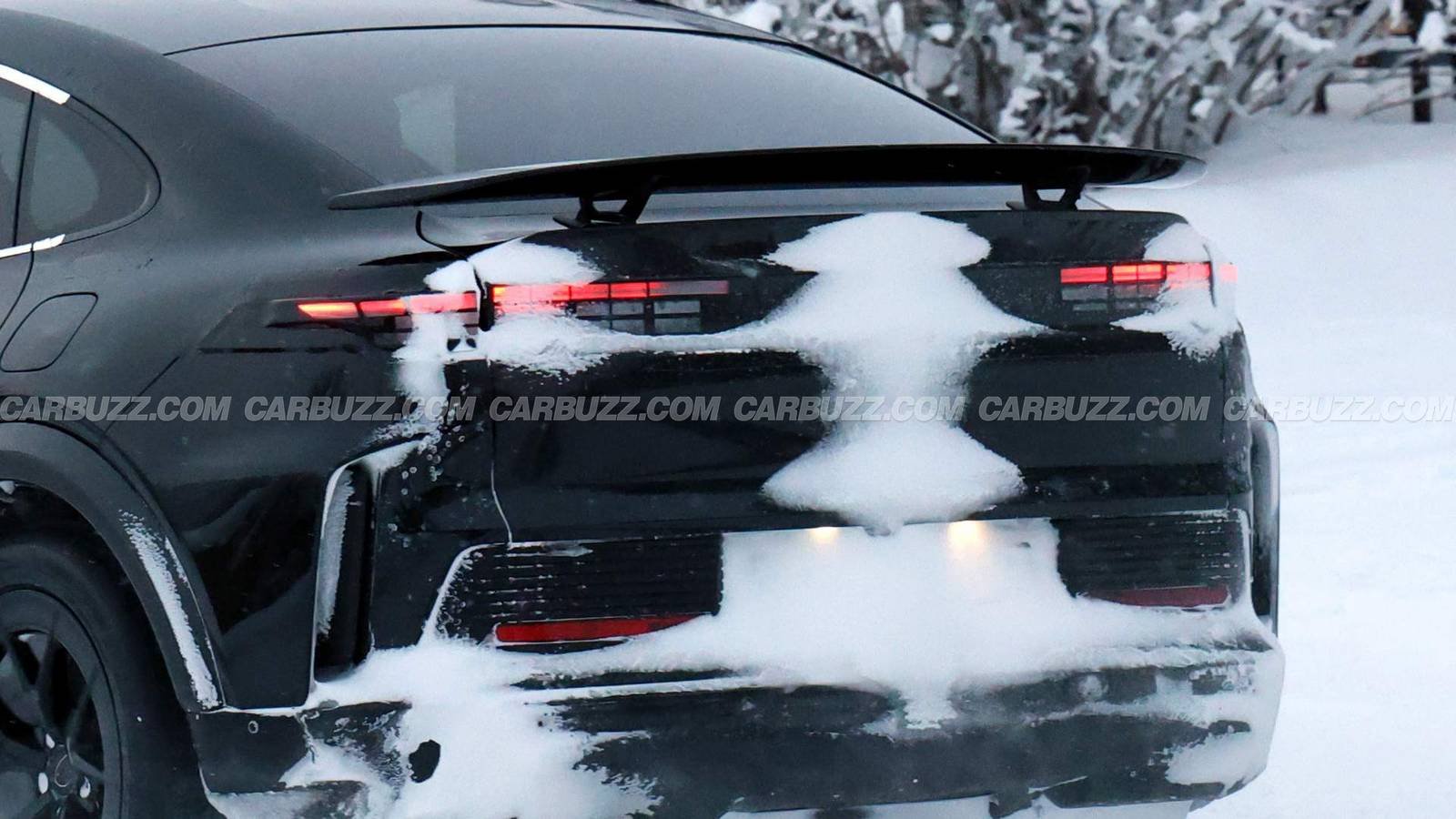
The prototypes caught in Swedish Lapland reveal the outlines of this facelifted combustion Cayenne. The manufacturer is playing the discretion card with measured aesthetic modifications: a new front bumper with a wider grille, redesigned headlights, and a revised light signature. Nothing revolutionary, just enough to differentiate the model from its electric version without admitting the failure of the initial strategy.
The spies photographed two distinct prototypes: a classic E-Hybrid model and a more muscular example corresponding to the Turbo E-Hybrid. The latter sports quadruple exhaust outlets and a prominent rear spoiler, stylistic borrowings directly from the 911 Turbo universe. An assumed lineage that demonstrates Porsche's desire to preserve the sporting DNA of its combustion lineup.
Electric Triumphs on Paper
Simultaneously, the Cayenne Electric lineup expands with the arrival of the Cayenne S Electric. This intermediate version develops 544 horsepower in normal use and up to 666 horsepower with Launch Control, achieving 0 to 100 km/h in 3.8 seconds. The manufacturer claims 653 kilometers of WLTP range, paradoxically more than the base model (644 km) despite higher power.
This energy performance is explained by the adoption of direct oil cooling for the rear motor, a technology previously reserved for the Turbo Electric. "Unlike conventional water cooling, heat is dissipated directly from the current-carrying components of the motor," specifies Motorsactu. A technical sophistication that allows maintaining high performance without power derating.
The electric hierarchy now revolves around three models. The entry-level Cayenne Electric at €105,200 develops 442 horsepower. The Cayenne S Electric at €129,200 climbs to 544 horsepower. At the top, the Cayenne Turbo Electric at €165,500 peaks at 1,156 horsepower in Launch Control mode. Prices that firmly position the lineup in the premium luxury segment.
When Will the Facelifted Combustion Cayenne Be Available?
The prototypes currently undergoing testing foreshadow a commercial launch planned for 2028, according to The Drive. This timeline aligns with Porsche's strategy of having the two technologies coexist for as long as possible.
Production and Geographic Strategies
📋 Fiche technique
Production of the Cayenne Electric takes place in Bratislava, at the Volkswagen Group plant. Porsche has invested in its own battery workshop in Horná Streda, where 32 LG Energy Solution prismatic cells

Written by
Sophie RenardSpecialist luxe, premium, sportive, sport auto, allemandes, reglementation, assurance, prix, ventes
Spécialiste du segment premium et luxe, Sophie couvre l'actualité des marques prestigieuses depuis 12 ans. Ancienne attachée de presse pour un cons...
View all articles (15)Read More
•2027 Porsche Cayenne: Electric, Coupe, and Flagship SUV Variants Revealed
•2026 Porsche Cayenne Electric Review: 1156 HP, 644 km Range
•Porsche Cayenne S Electric: 666 hp and 653 km Range Revealed
•Porsche Cayenne S Electric: 666 hp, 653 km range from 2026
•Porsche May Merge Panamera and Taycan to Cut Costs
•Porsche Cayenne Electric: History, Electrification & Design
•2026 Porsche 911 Turbo S Hybrid Hits 60 MPH in 2.0 Seconds
•Porsche 911 GT3: Scandal, Performance, and Bargains in 2026