
2026 Twingo EV: Cheaper Than the 1993 Original?
Renault is prepping a new electric Twingo for 2026 with an entry price below €20,000 before subsidies. According to research from the Institute for Mobility in Transition, this 100% electric city car could actually cost less than the original Twingo that hit the road in 1993, once you adjust for inflation and purchasing power.
"This 2026 electric city car would cost less than the original 1993 Twingo when economic data is adjusted for inflation" — Institute for Mobility in Transition (IMT-Iddri)
The comparison is sparking debate in automotive circles. The Institute for Mobility in Transition (IMT-Iddri) dug into this question by analyzing prices in terms of minimum wage months and household disposable income share. An approach that puts real perspective on the old "they don't make 'em like they used to" gripe you hear at every car meet about pricing.
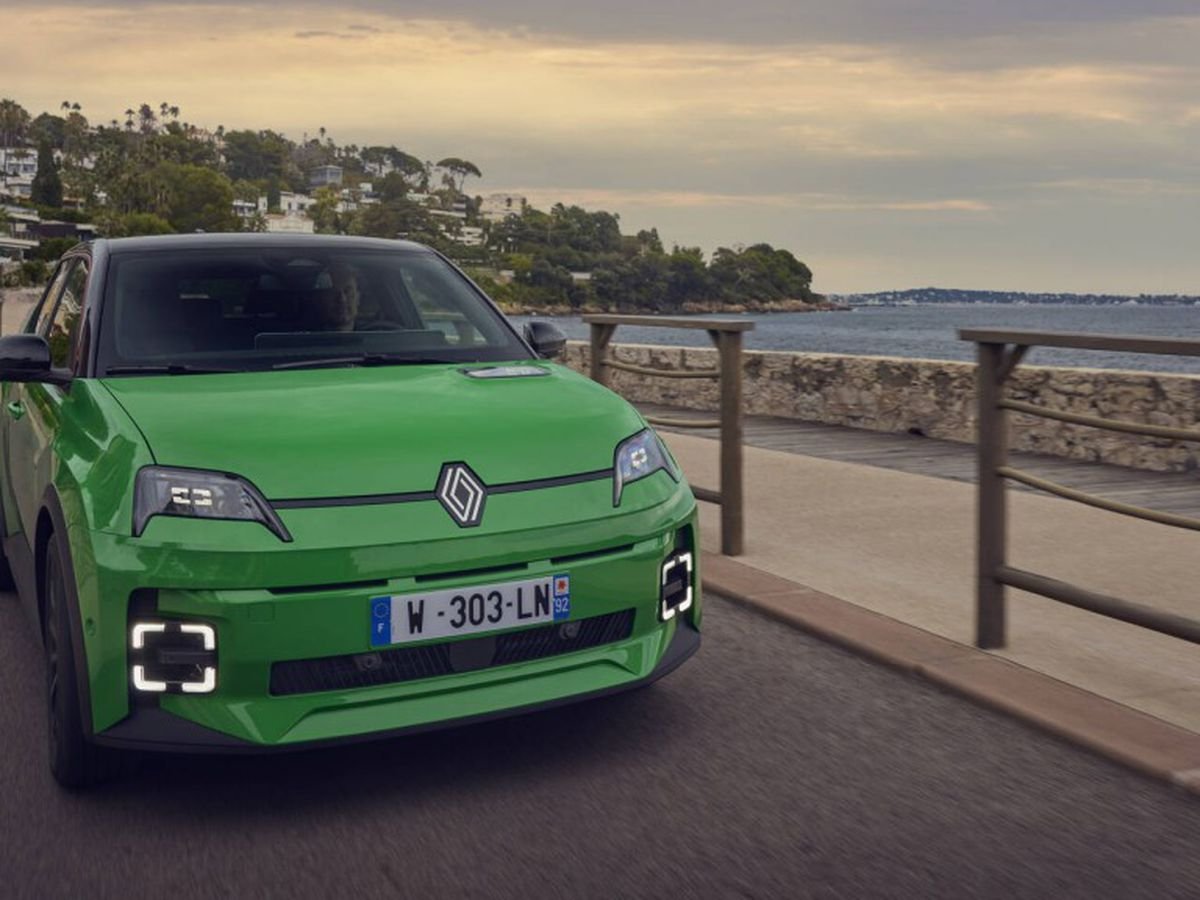
An Electric Twingo Under €20,000
The upcoming electric Twingo should carry a starting price below the €20,000 mark before the green car bonus kicks in. With government incentives, the final tag could drop to around €13,000 for eligible households.
This new generation will pack a 27 kWh battery and an 82 hp electric motor. A positioning that slots it right in line with the Citroën ë-C3 and other affordable city EV newcomers sprouting up across Europe.
What's Under the Bonnet?
The 2026 Twingo should get a new, cheaper-to-build motor. According to our intel, it'll be the Shanghai E-Drive unit with 80 hp, made in China but assembled in France at Cléon. The same engine will also power the upcoming little Dacia and the Nissan Wave.
This powertrain could even replace the current 95 hp 6AK offered on the Five version of the Renault 5. A cost-sharing strategy that lets Renault slash production expenses.

The Price Positioning Challenge
Despite the competitive sticker, positioning remains touchy. The original 1993 Twingo was priced at 59,900 francs, roughly €9,130 in today's money. But that straight conversion doesn't account for how purchasing power and living standards have evolved.
The IMT study reframes those numbers in real economic terms. Measured by minimum wage months needed to buy one, the 2026 Twingo could actually be more accessible than its gas-powered ancestor. A fact that completely flips the script.
LFP Tech to Cut Costs
Renault is betting on LFP batteries (lithium iron phosphate) for its budget models. These cells cost less to make than traditional NMC packs but come with trade-offs: lower capacity and weaker cold-weather performance. Yet the savings let Renault price electric cars more aggressively.
Tesla pioneered this tech, and most makers are following suit now. For Renault, it's the path to making electric cars truly democratic without gutting profit margins.
The electric Twingo fits into Renault's bigger play to hit one million international sales by 2030. With models tuned to different markets, the French builder is chasing growth outside Europe—especially in Brazil, India, and South Korea.
📚 Also Worth Reading

Written by
Thomas MartinSpecialist SUV, suv, crossover, essai, utilitaire, familiale, pickup, comparatif, citadine, berline, cabriolet
Expert SUV et crossovers depuis plus de 15 ans, Thomas a parcouru les routes du monde entier pour tester les véhicules les plus robustes. Ancien pi...
View all articles (10)Read More
•2026 Ford Transit City: Chinese-Built Electric Van Shakes Up Europe
•Vehicle Registration Fees Rise Again: Multiple Regions Hit Ceiling
•Toyota Yaris 2027: First-Ever Hybrid and Electric Version
•Renault Clio VI Hybrid: Test, Review & Best Used Deals
•Renault Clio and Mégane Banned in Germany: Patent Dispute
•Renault R4 E-Tech: Why the 8 Million Icon Returns as an EV
•Renault Clio 6: Price, Hybrid E-Tech, and Clio 5 Comparison
•Renault Clio Tops French Car Sales in February 2026