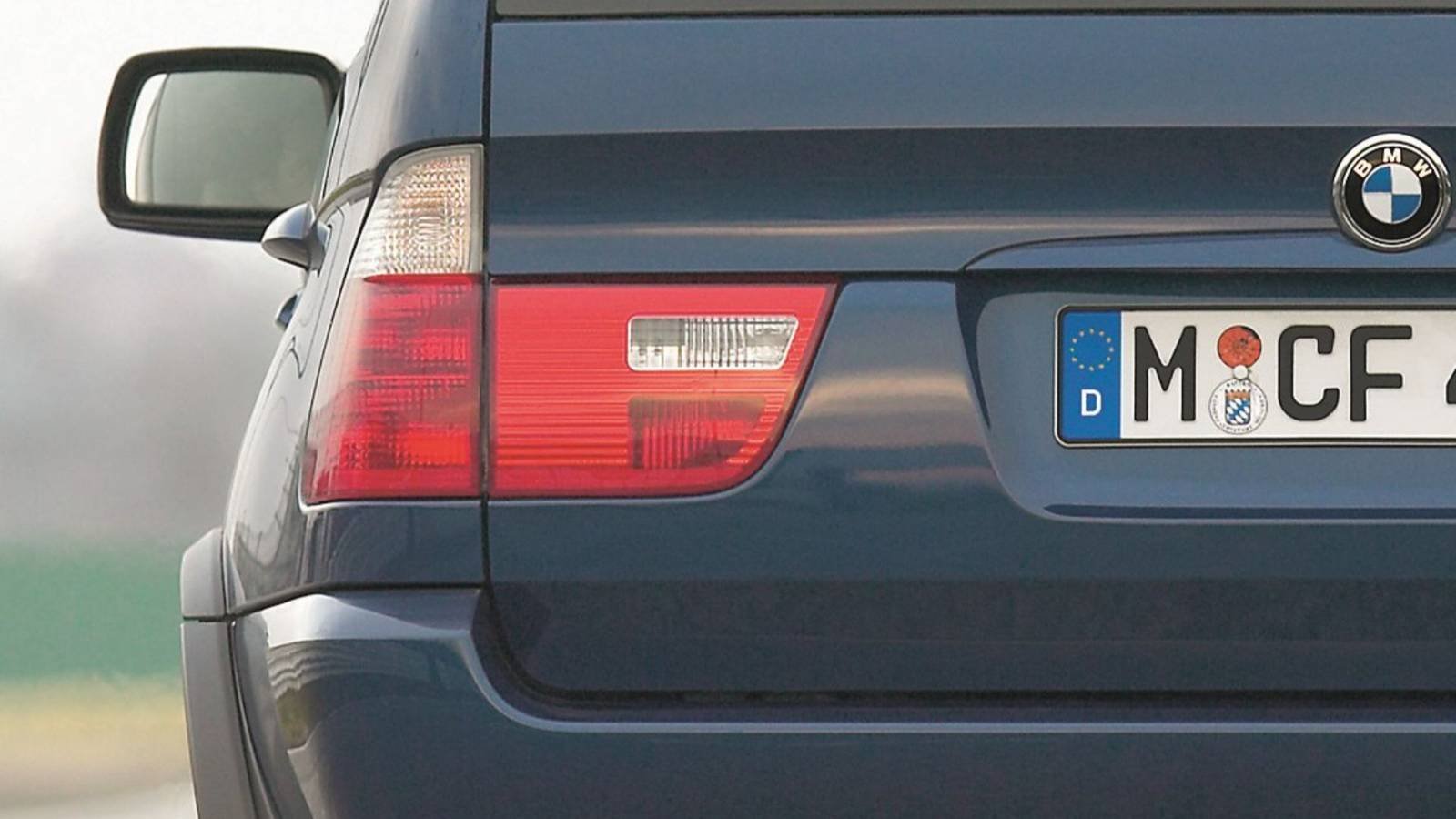
Opel Commodore GS/E vs BMW 3.0 CSi: Forgotten Classic
The Opel Commodore GS/E represents a compelling alternative to the BMW 3.0 CSi on the collector car market. Launched in September 1967, this German sedan developed up to 150 horsepower thanks to its Bosch D-Jetronic fuel injection, at an acquisition price today far more reasonable than its Bavarian rival.
"If BMWs dominated in terms of refinement, the Commodore models held their own quite well in the hands of experienced drivers on track" — According to touring car racing specialists from the 1970s
An Overlooked Rival on Touring Car Circuits
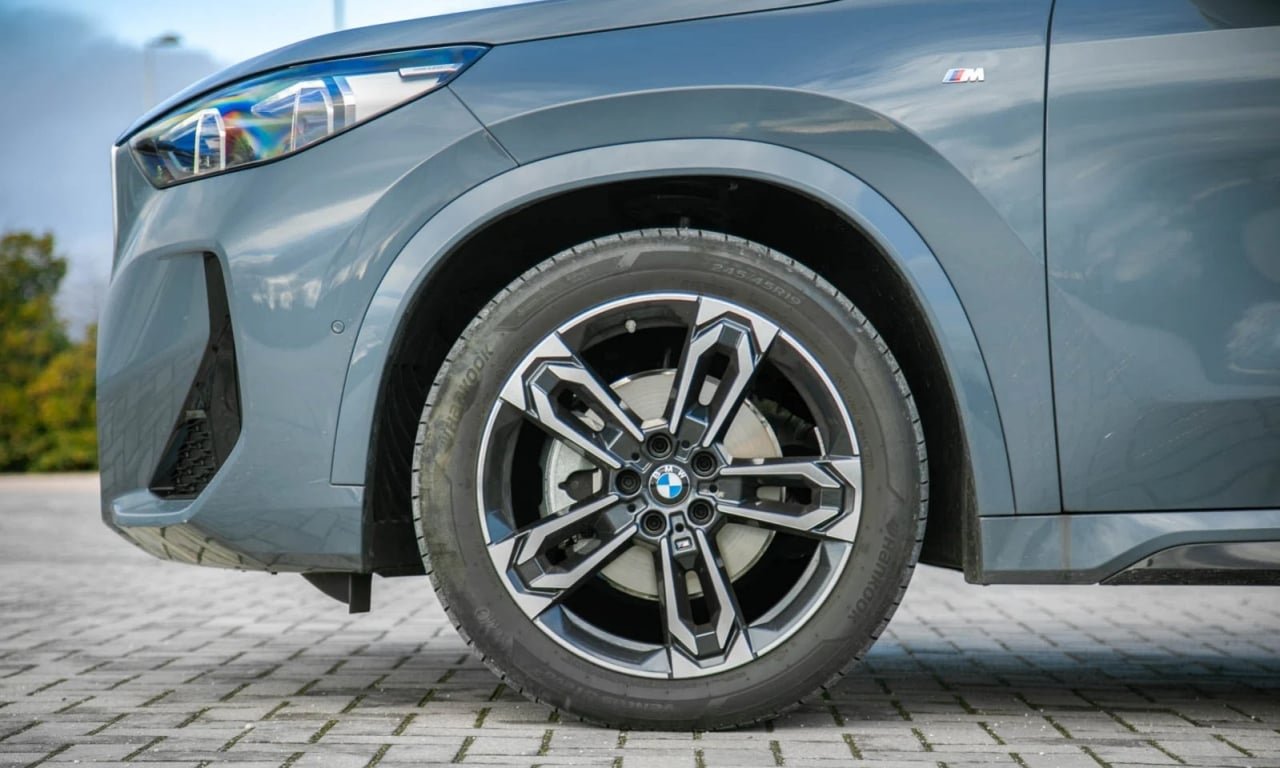
During the 1970s, touring car racing pitted three heavyweights against each other: the BMW 3.0 CSI/CSL, the Ford Capri, and the Opel Commodore. Yet fifty years later, only the BMW has managed to capture collector car market attention. An injustice once you understand what the Rüsselsheim machine could do.
The Commodore presented solid arguments against the competition. Its engine — a 2.5-liter inline six-cylinder — developed 130 horsepower in the base GS version, then 150 horsepower with the D-Jetronic fuel injection of the GS/E. Numbers that allowed it to compete directly with BMW and Mercedes offerings of the era.

The Technical Evolution That Made the Difference
The Commodore story began in September 1967 with the first-generation A. Opel immediately offered multiple body styles: two- or four-door sedan and coupe. But it was in November 1970 that the model took on new dimensions with the arrival of the GS/E (E for Einspritzung, injection in German).
This version marked a technological turning point. Bosch D-Jetronic fuel injection replaced carburetors and made it possible to extract 150 horsepower from the 2.5-liter. In parallel, Opel launched the carbureted GS 2.8 with 145 horsepower, specially designed for racing homologation.
Why Choose the Commodore Over the BMW 3.0 CSi?
The price argument remains the most obvious. While a BMW 3.0 CSi in good condition easily exceeds 80,000 euros, a restored Commodore GS/E negotiates between 25,000 and 40,000 euros depending on condition. A gap explained by the Bavarian brand's prestige, but not necessarily by the intrinsic qualities of the cars themselves.
Robustness constitutes another major asset. Opels from this era enjoy a reputation for reliability superior to BMWs. Maintenance proves less expensive and spare parts more accessible. A non-negligible advantage for those wishing to drive their collection regularly.
Performance That Stands Up to the References
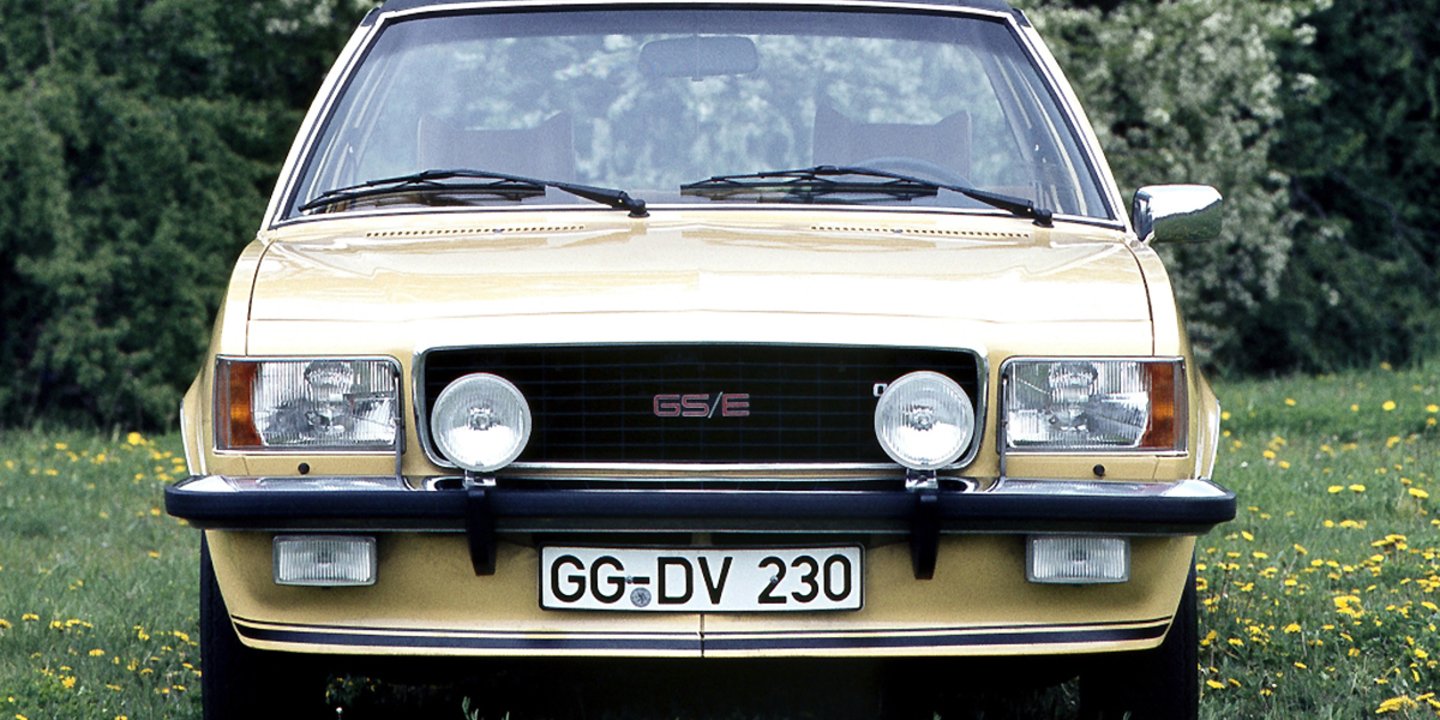
In terms of pure performance, the Commodore GS/E has nothing to be ashamed of against the era's benchmarks. Its 2.5-liter six-cylinder with fuel injection develops 150 horsepower—only 30 horsepower less than the BMW 3.0 CSi and its 180 horsepower.
The difference is felt more at the refinement and finish level. BMW pursued a more premium approach with more noble materials and more careful finishing. Opel, for its part, prioritized efficiency and robustness, in the true tradition of German automakers of the era.
What Future for These Forgotten Classics?
The collector car market is evolving. The most emblematic models see their prices skyrocket, pushing enthusiasts toward more affordable alternatives. The Commodore GS/E counts among those gems profiting from this shift.
Some specialists believe these "forgotten" models represent the future of collector automobiles. More financially accessible, they offer authentic driving pleasure without the speculative dimension characterizing segment icons.
An Acquisition Worth Considering Now?
For those seeking a characterful 1970s car, the Commodore GS/E deserves serious consideration. Its reasonable entry price, relative rarity, and dynamic qualities make it a credible alternative to the overvalued models dominating the market.
The Bosch D-Jetronic fuel injection, the Pininfarina bodywork, and respectable performance constitute solid arguments. Not to mention that driving a 1970s Opel lacks nothing in originality at gatherings dominated by BMW, Mercedes, and [Porsche](/article/la-porsche-electrique-718-boxster-et-cayman-pourraient-e models.

Written by
Jules DuboisSpecialist électrique, hybride, batterie, recharge, autonomie, technologies, electrique, nouveaute
Journaliste automobile passionné par la mobilité électrique et les nouvelles technologies. Après 10 ans dans la presse spécialisée, Jules décrypte ...
View all articles (12)Read More
•BMW i3 2026: 900 km WLTP Range for First Electric 3 Series
•BMW i3 2026: Electric 3 Series Revealed March 18 with 900 km Range
•2026 Auto Market: EVs Up Despite 15% Overall Decline
•BMW M2 G87: 480 HP, Tuning, Depreciation & Track Kit Updates
•BMW M5 and Neue Klasse: All 2026-2027 Reveals
•BMW 7 Series 2027: Level 3 Autonomy Dropped, Facelift Arrives
•BMW i4 Production End Confirmed as New i3 Arrives