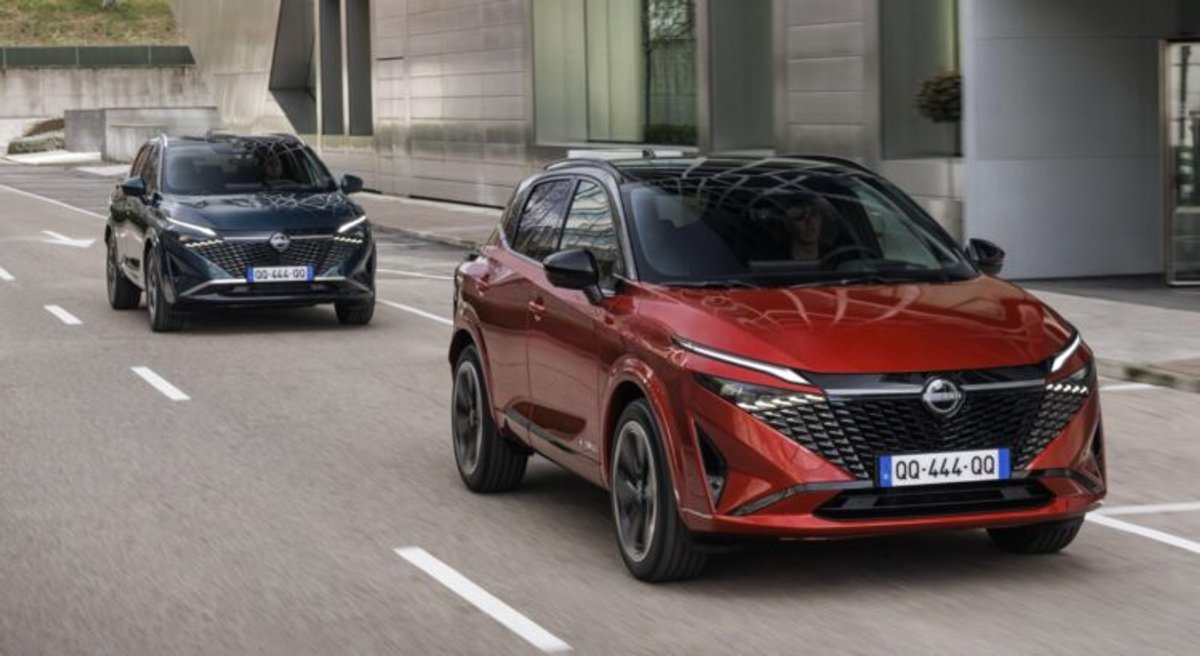
Nissan, Stellantis, Peugeot: Carmakers Face the Hybrid Turning Point
The auto industry is going through a clear break. Nissan is ditching its EV pioneer stance to bet on hybrids and EREVs, Stellantis is taking a €22 billion hit after overestimating how fast drivers would switch, and Volvo is prepping an SPA3 platform that can churn out low-profile electric sedans and wagons. Meanwhile, Polestar stays all-electric, and Scandinavian markets prove the demand is there—with 63.2% EV market share in Sweden in 2025.
"The goal is to make more money" — Ivan Espinosa, Nissan CEO, on the brand's hybrid pivot
Nissan Sounds the Alarm
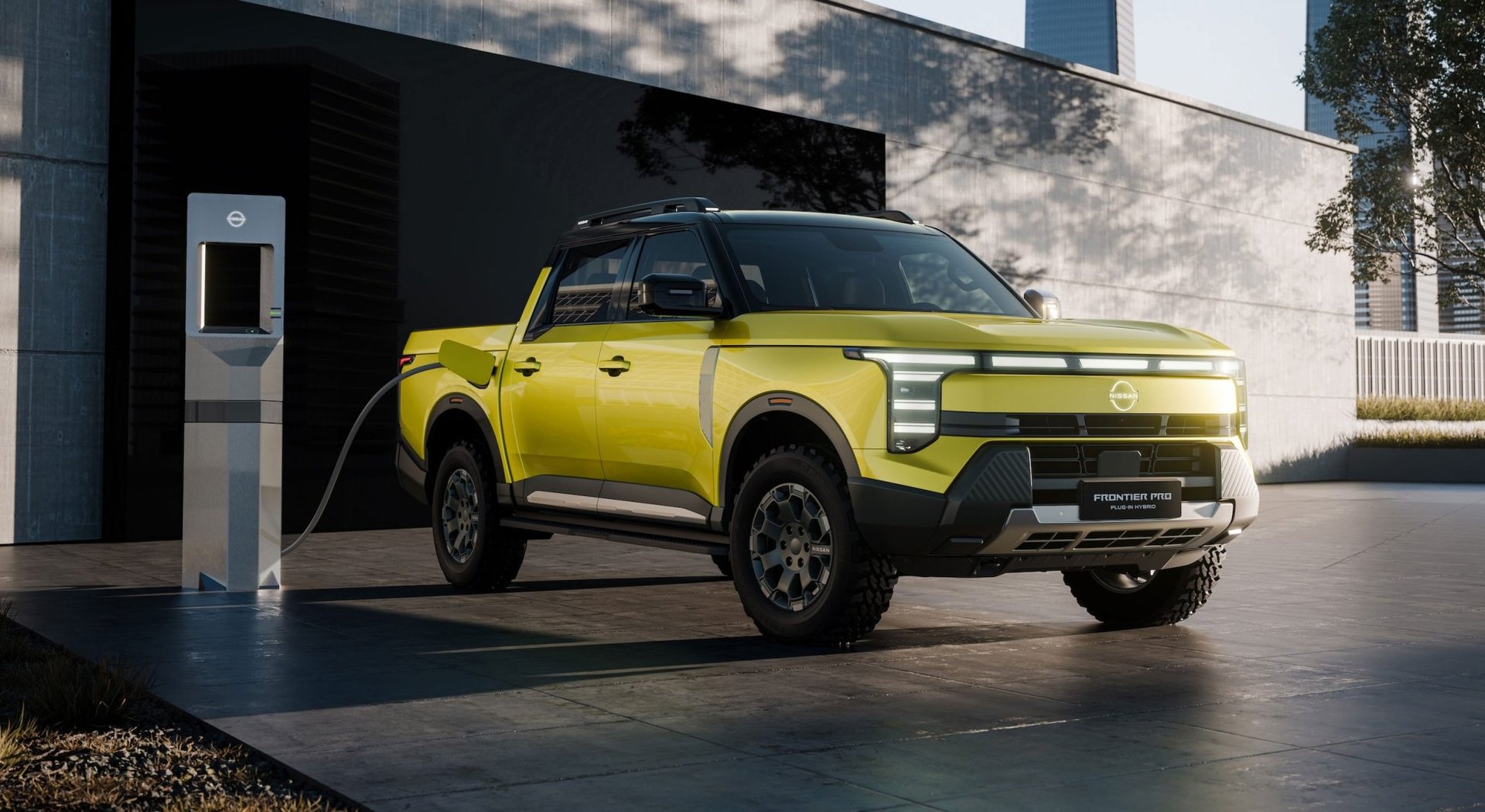
Sixteen years ago, Nissan launched the Leaf, the first mass-produced electric car. Total pioneer. Today, CEO Ivan Espinosa officially announces the pivot: the Japanese brand will add PHEVs and EREVs (range-extended electric vehicles) to its lineup in the short term, according to The Drive and Autoplus.
The diagnosis is brutal. Sales of the Ariya and the electric Micra (twin of the Renault R55 E-Tech](/article/renault-5-e-tech-38-000-ventes-face-a-la-concurrence-chinoise)) are growing, but not fast enough. EV market growth is slower than expected, charging infrastructure is still lacking in many markets, and government incentives are shrinking—especially in the U.S. Result: Nissan wants to turn a profit. Espinosa says it bluntly: "the goal is to make more money."
The e-Power system—a combustion generator feeding an electric motor—should play a key role here. This isn't an EV abandonment, but a broadening of the lineup toward hybrid tech the market is more willing to accept right now.
Stellantis: €22 Billion to Write Off Tavares' Mistakes
The Stellantis case is even harsher. The group formed in 2021 from the FCA-PSA merger announced a €22 billion provision in early February, directly tied to a too-fast, poorly calibrated EV transition, per Autoplus. New boss Antonio Filosa doesn't mince words: the previous leadership simply overestimated how quickly people would ditch their combustion cars.
The damage is real. The StarPlus Energy joint venture with Samsung SDI is scrapped. Gigafactory investments are slashed. And a U.S. investigation has been opened by law firm Levi & Korsinsky for failure to inform shareholders, following the stock crash on February 6.
The aggressive pricing strategy of recent years—that famous "pricing power" the group boasted about—ended up driving customers away. People stopped following, kept their old cars, or turned to cheaper brands. The new management is now refocusing the strategy on more affordable hybrid and combustion powertrains.
 2017-2024 front](https://res.cloudinary.com/dvxey2ykr/image/upload/v1779795876/rss/2026-04-nissan-focus-05.jpg "Used [Peugeot 3008](/article/peugeot-remplace-le-puretech-par-le-moteur-turbo-100-sur-208-et-2008) 2017-2024 front")
There's even talk of a possible split of the group. According to Autocar, the original logic of merging FCA and PSA was based on regulatory convergence between the U.S. and Europe—convergence that no longer exists since Washington dismantled its emissions targets and erected trade barriers. The two "hearts" of the group are now beating at different rhythms.
Volvo Preps the Post-High-Riding SUV
Over at Volvo, something more discreet but potentially very interesting is brewing. The new SPA3 platform, developed specifically for EVs, could allow building cars with much lower profiles than current electric SUVs, according to Autocar.
The platform engineer explains the principle: without a combustion engine, fuel tank, or exhaust line, the structure can be completely rethought. Battery cells can be distributed all the way forward to the windshield, freeing up space for "foot garages"—the same trick used by the Porsche Taycan and the Audi EE-tron GT](/article/volkswagen-id-3-gtx-performance-326-ch-pour-defier-la-hyundai-ioniq-5-n) to lower beltlines. Result: we might see the return of Volvo wagons with a profile close to the old V60 and V90.
The ES90 current

Written by
Thomas MartinSpecialist SUV, suv, crossover, essai, utilitaire, familiale, pickup, comparatif, citadine, berline, cabriolet
Expert SUV et crossovers depuis plus de 15 ans, Thomas a parcouru les routes du monde entier pour tester les véhicules les plus robustes. Ancien pi...
View all articles (10)Read More
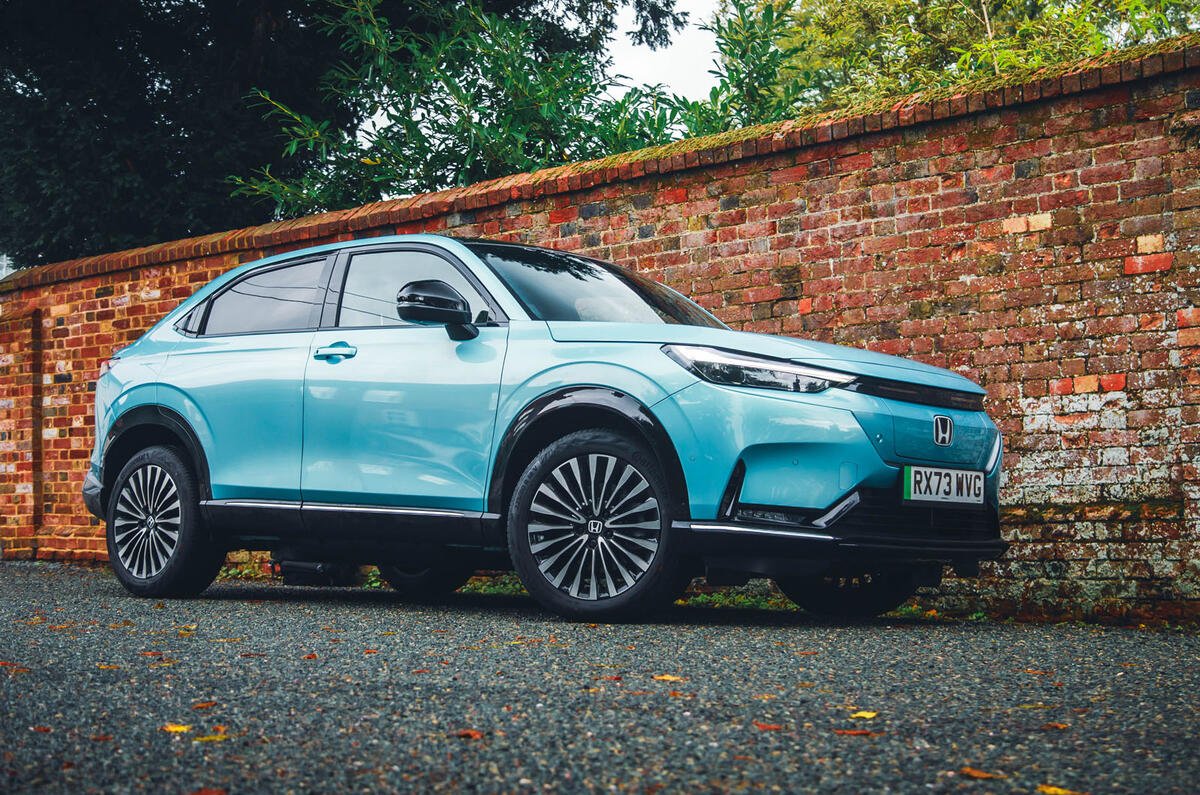
•Honda Cancels e:Ny1 and Series 0 EVs: A Major Strategic Pivot
•Audi Q9 2026: Giant SUV Replaces A8 as Flagship
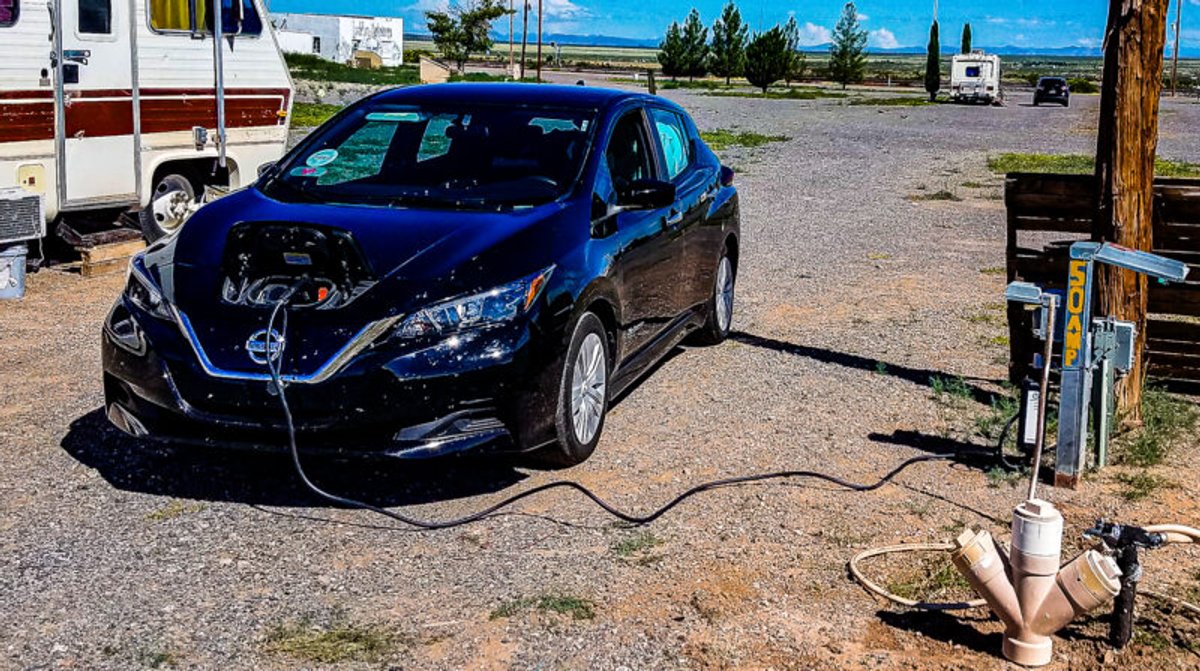
•Nissan Leaf: App Shutdown, Sales Paused, New Prices
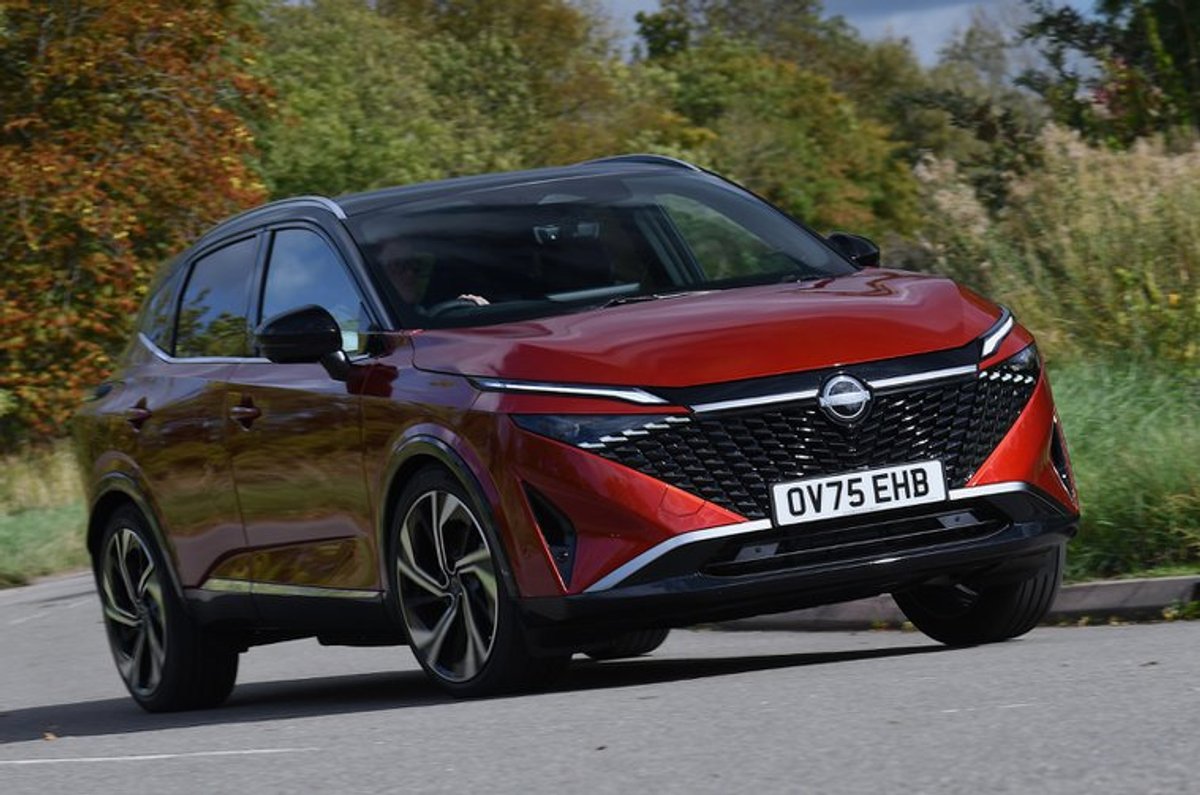
•Nissan Qashqai e-Power 2026: 205 HP for This Family Hybrid SUV
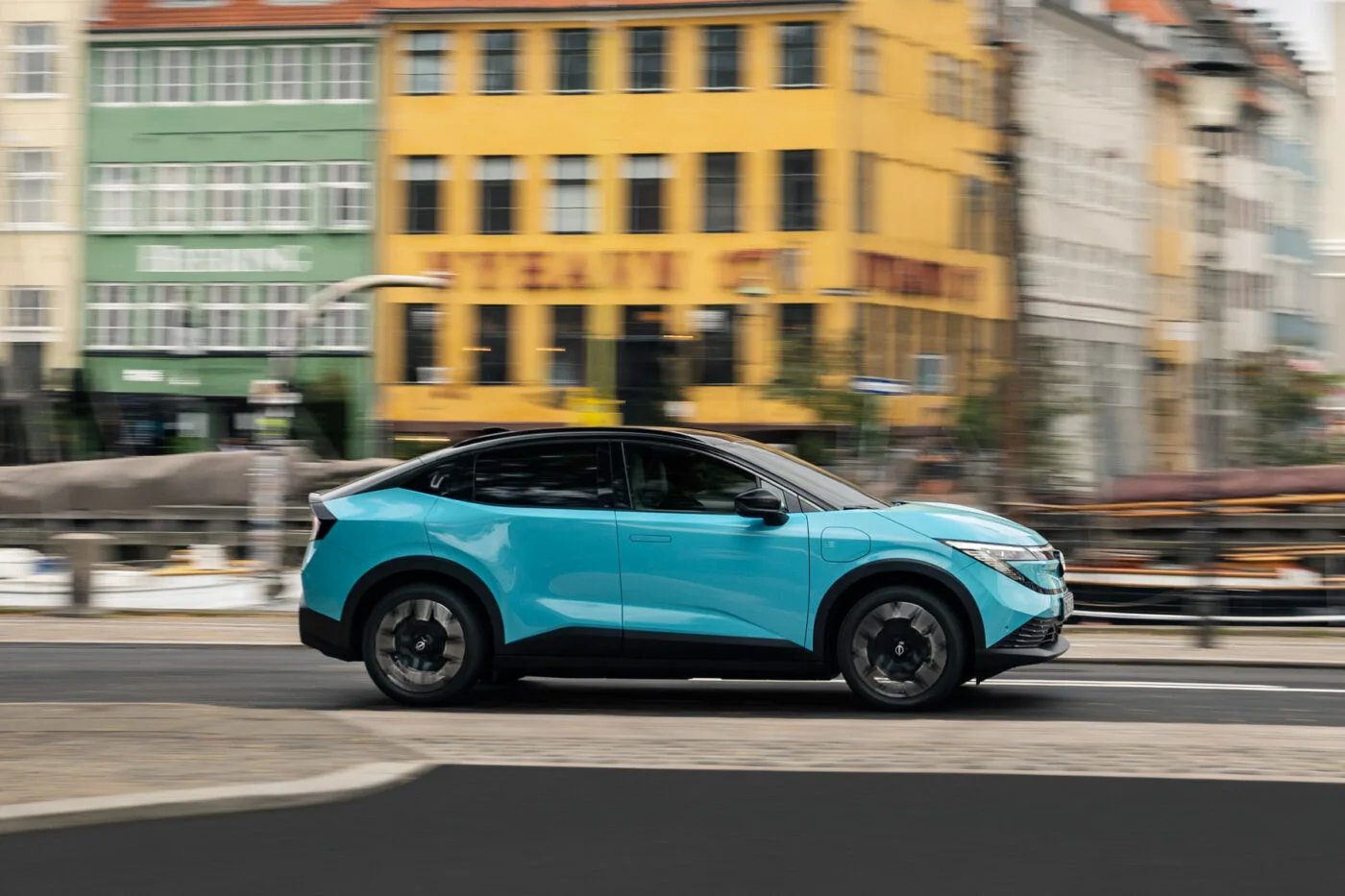
•Nissan Leaf 3: US Delay, New Partnerships, and Innovations
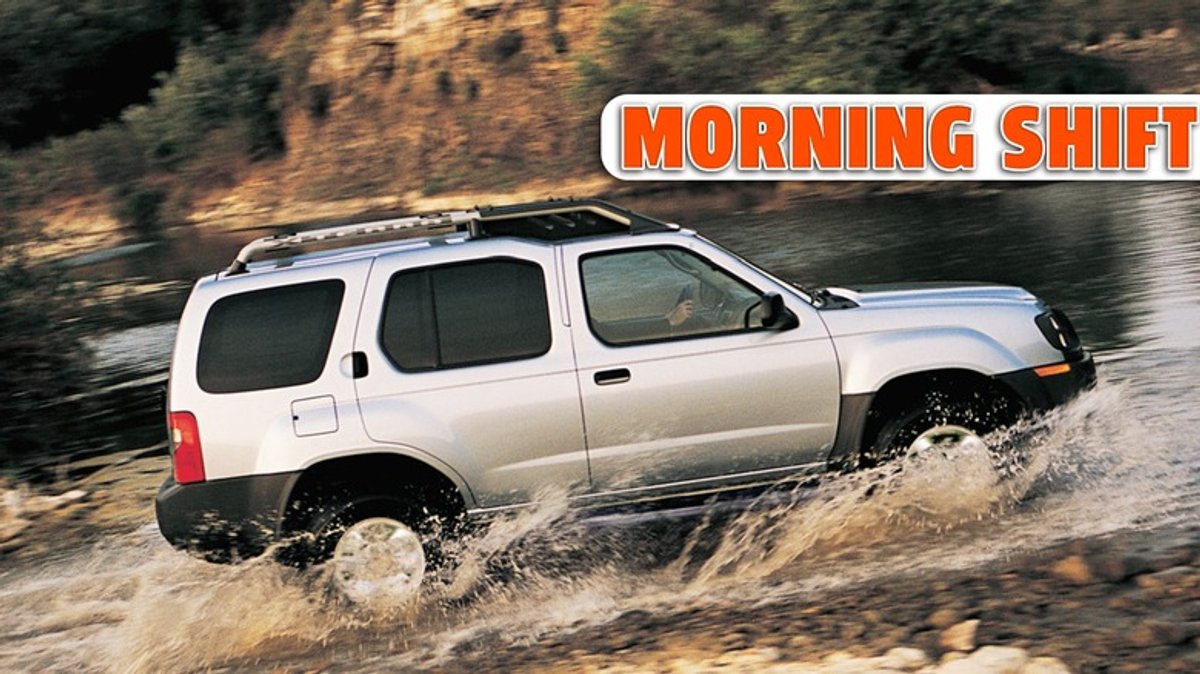
•Nissan: 5 New Body-On-Frame SUVs Planned by 2028