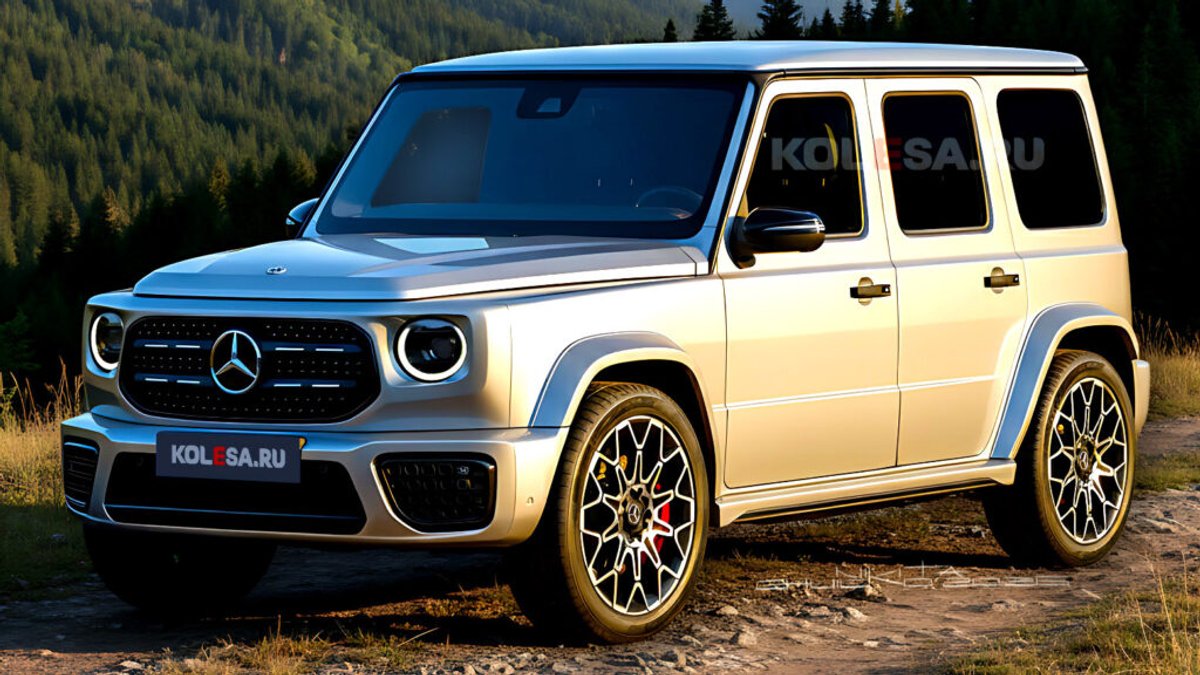
Mercedes GLC Electric: 489 HP and Half the Carbon Footprint
The new Mercedes GLC electric SUV delivers 489 HP and claims a carbon footprint half that of its gas counterpart. For the first time, Mercedes publishes a complete, externally certified lifecycle assessment to document this environmental promise. The electric SUV shows 24.5 tonnes of CO₂ over its entire lifespan, compared to 67.2 tonnes for an equivalent gas-powered GLC.
"The 39-inch screen that stretches across the entire width of the dashboard, no one had thought of that before in this category." — Mercedes specialist journalist during testing in Portugal
A Tech Festival to Justify the €71,900 Price Tag
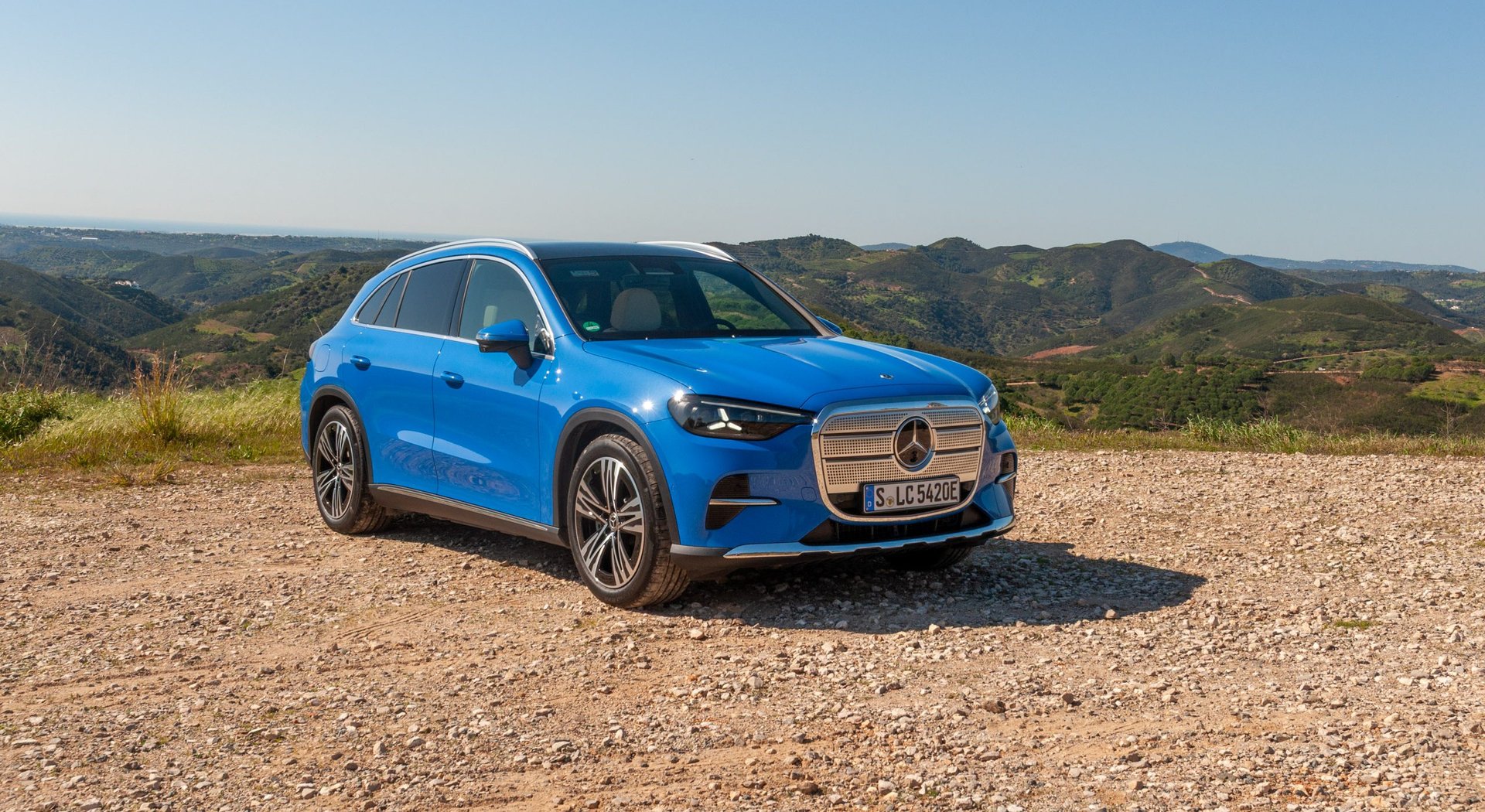
Mercedes is making a strong statement with this GLC 400 4MATIC, which inaugurates the dedicated MB.EA platform for premium electric vehicles. The tech star is that gigantic chrome grille with 942 illuminated points that animate on startup. The inspiration comes directly from the 1959 Mercedes W111, and even if it sounds flashy on paper, the result remains understated in daily use according to initial tests.
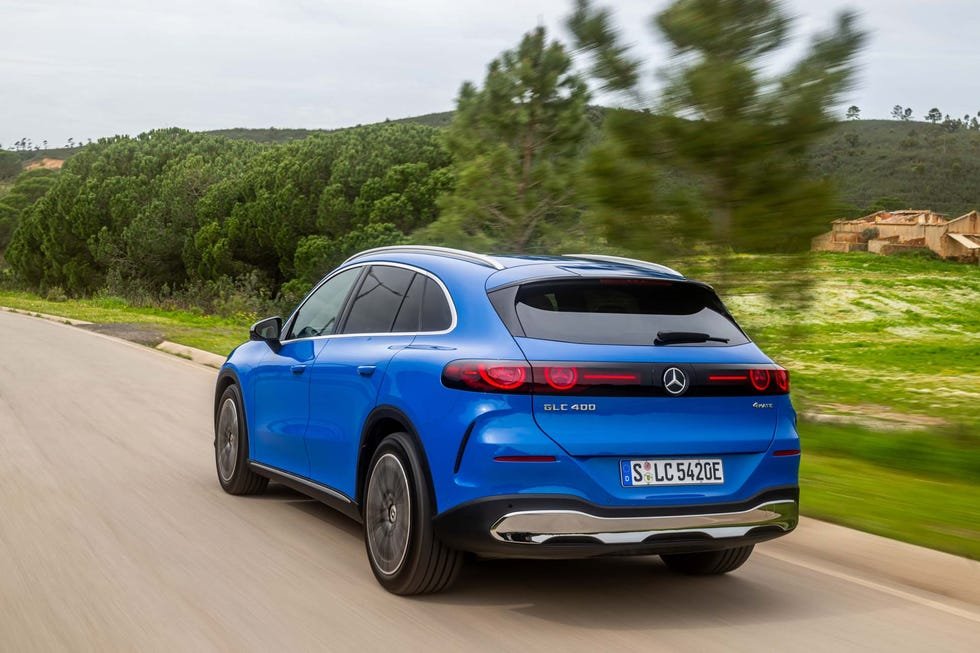
The rest follows this technological overload: a 39-inch band-style screen, rear-wheel steering, air suspension, and a two-speed transmission. Power reaches 489 HP (490 HP according to some measurements) thanks to two electric motors powering all four wheels. The 94 kWh usable battery promises up to 712 km of WLTP range, with fast charging peaking at 330 kW.
Dimensions Increased for More Space
This electric GLC measures 4.85 m long, 13 cm more than its gas predecessor. The wheelbase gains 3.9 cm to reach 2.97 m, freeing up space for rear passengers. Paradoxically, despite the battery under the floor, interior space improves compared to the gas GLC thanks to this specific architecture.
The trunk loses a few liters (570 L vs. 600 L on the gas model) but gains a 128-liter frunk accessible by pressing the star on the hood. A find that could well inspire the competition.
Mercedes Brings Out the Heavy Artillery on Ecology
The carbon footprint is the subject of particularly aggressive communication from Mercedes. The announced 24.5 tonnes of CO₂ equivalent for the entire lifecycle of the electric GLC (with the European electricity mix) contrasts with the 67.2 tonnes of a comparable gas SUV. With 100% renewable electricity, this figure even drops to 15.3 tonnes.
This data is certified by an external audit firm, giving it more weight than usual marketing communications. Mercedes details each item: manufacturing, use, end-of-life. The production phase shows a 23% reduction compared to previous generations thanks to work with suppliers on low-carbon materials.
A Ride Tuned for Comfort Over Pure Sportiness
Initial tests confirm that Mercedes prioritizes comfort over pure sportiness. The air suspension effectively absorbs road imperfections, and the 489 HP is delivered with very German smoothness. No go-kart sensations here, rather a controlled power that fits the Mercedes DNA.
Rear-wheel steering improves maneuverability in the city (reduced turning circle) and stability on the highway. However, initial testers note that the chassis calibration could still use a few adjustments before arrival at dealerships scheduled for autumn 2026.
📋 Fiche technique
Four Other Versions Planned
Mercedes isn't stopping at the GLC 400 4MATIC. Four other variants are planned, including cheaper, more efficient rear-wheel-drive versions. AMG models aren't forgotten, with a future GLC 53 EQ that could approach 900 HP according to rumors swirling around prototypes spotted in Sweden.

Written by
Thomas MartinSpecialist SUV, suv, crossover, essai, utilitaire, familiale, pickup, comparatif, citadine, berline, cabriolet
Expert SUV et crossovers depuis plus de 15 ans, Thomas a parcouru les routes du monde entier pour tester les véhicules les plus robustes. Ancien pi...
View all articles (10)Read More
•2027 Mercedes GLC 400 Electric: 483 HP and Revolutionary Design
•2026 Mercedes GLC Electric: New Premium SUV from €71,900
•Mercedes-AMG GLC 53 2027: Six-Cylinder Power Returns
•Mercedes-AMG GLC 53 2027: Six-Cylinder Power Returns
•Mercedes Reveals Secret Red Pig Concept, Audi Slashes Prices
•Mercedes EQA and EQB: Free Battery Replacement to Prevent Fires