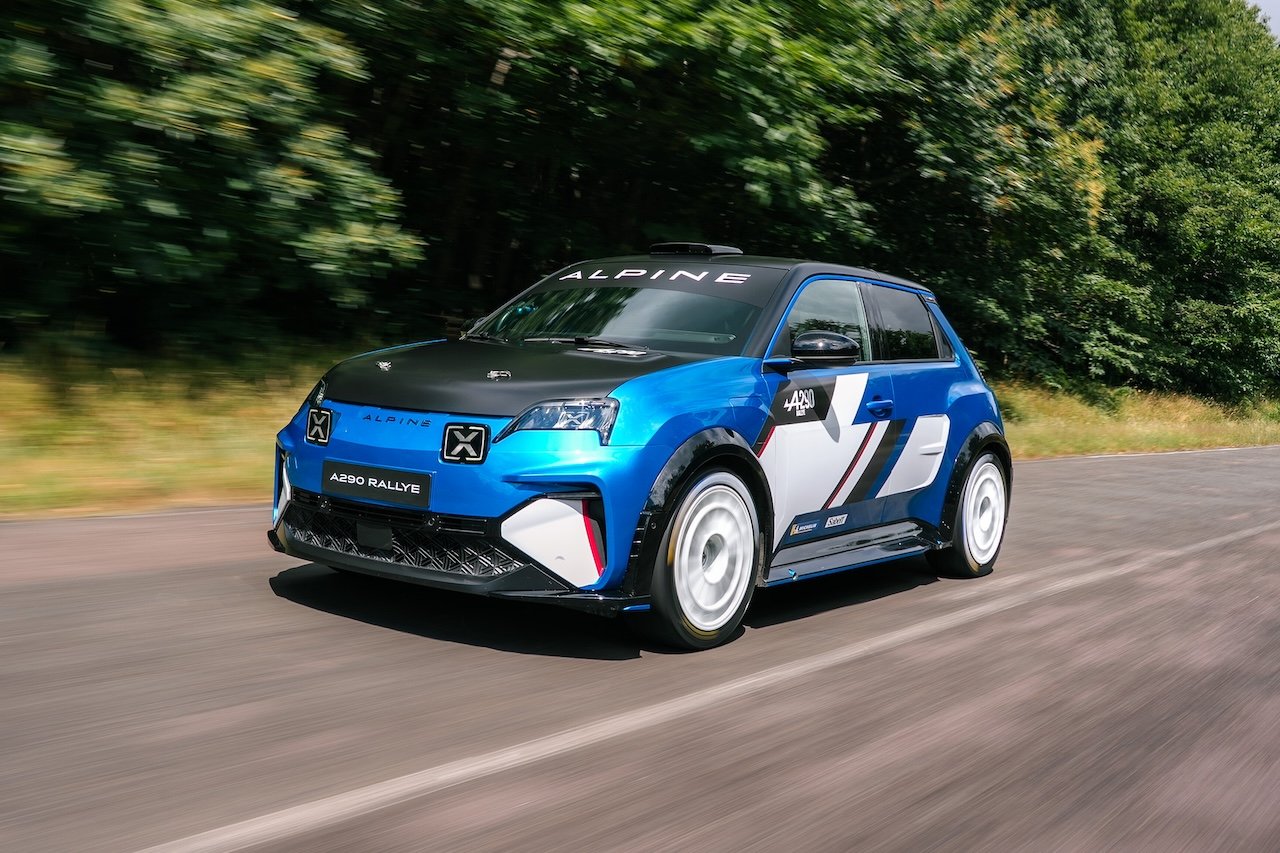
Alpine A390 GT, WEC, Viry: Brand Faces Its Deepest Crisis
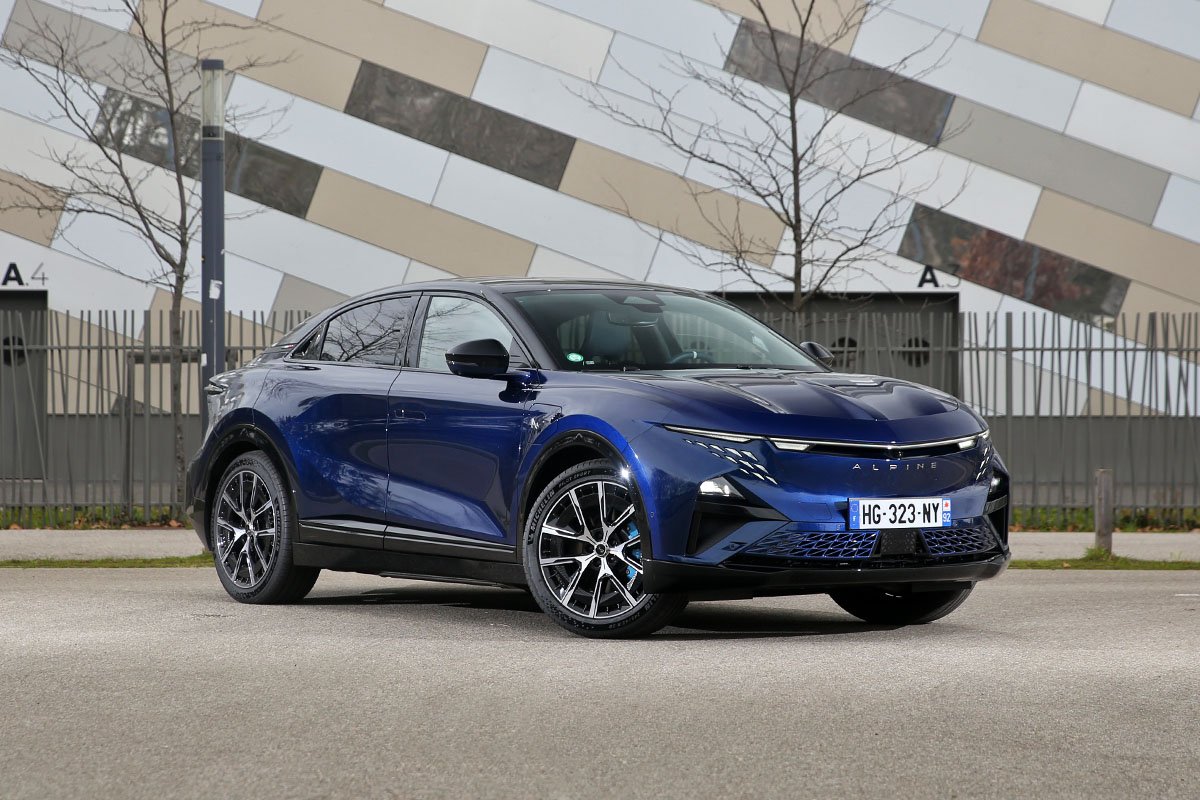
Alpine is going through a deep crisis. On February 12, 2026, the Renault Group officially confirmed Alpine's withdrawal from the WEC at the end of the season, Dacia's exit from the Dakar Rally in 2027, and the cancellation of the Hypertech project at the Viry-Châtillon site — all despite formal promises made just months earlier. At the same time, the all-electric A390 GT arrives with 400 hp, an 89 kWh battery, and a claimed range of 557 km WLTP, while Renault considers relocating part of its electric production to Spain.
"They completely screwed us over; they commit to something and then back out." — Jean-Marie Vilain, mayor of Viry-Châtillon, after the announcement on February 12, 2026
Viry-Châtillon: Promises, Then Silence
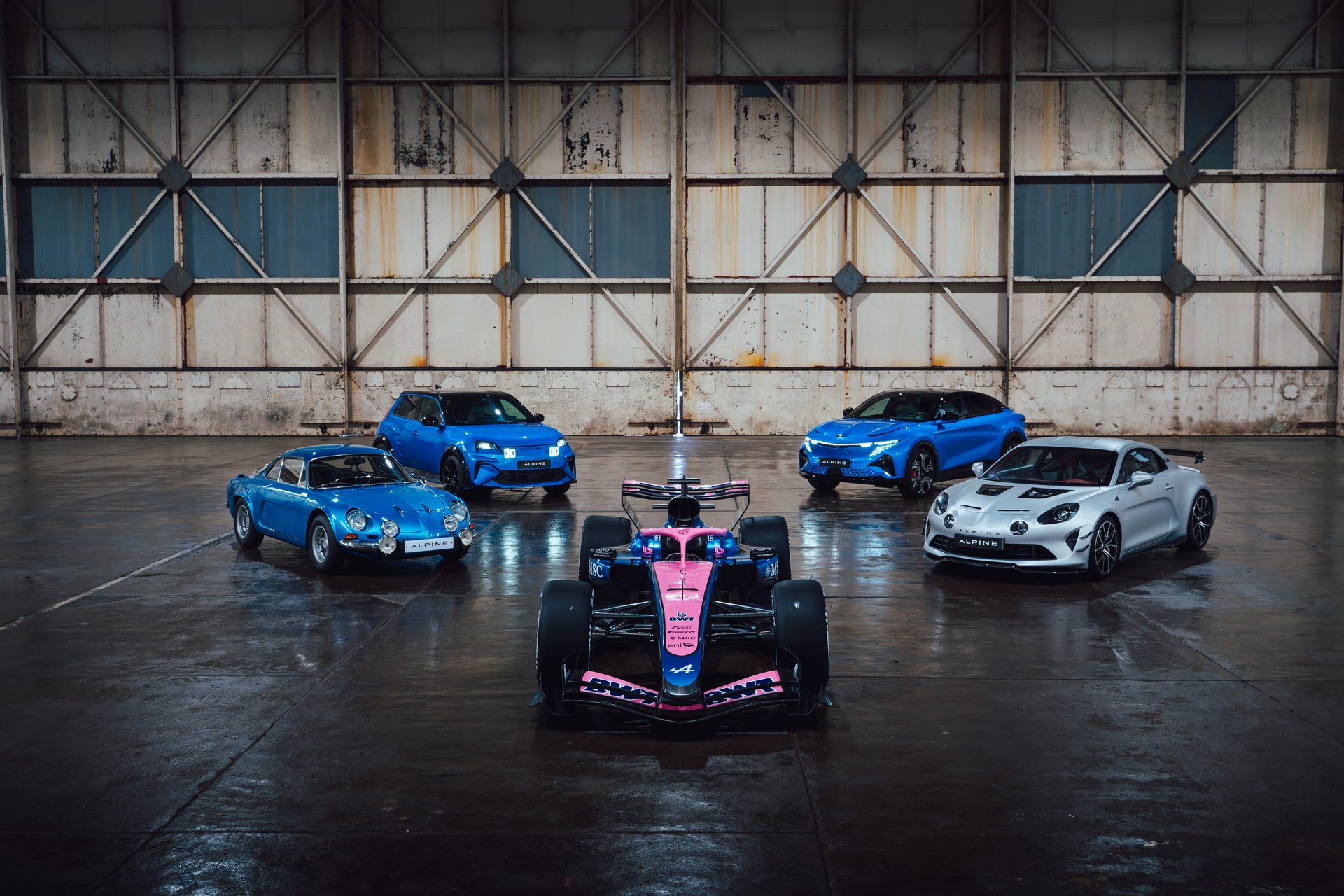
Quick flashback. When Renault announced the end of its F1 engine program in late 2024, former boss Luca de Meo promised to transform the Viry-Châtillon site into an "Hypertech Alpine" — a center of excellence for the brand's sports and technology projects, including a road-going supercar, a hydrogen engine, and support for the WEC and Dakar programs. The 500 employees on site, who had been assembling F1 engines, had a concrete future in sight.
Luca de Meo left Renault. His successor, François Provost, has a different approach, and it shows. The Mobilize division? Nearly dissolved. The Duo electric vehicle? Canceled. Ampère, the structure meant to attract investors for electric vehicles? Reintegrated into Renault.
Viry's fate follows the same logic. According to Caradisiac, the February 12 statement confirms that the site — renamed "Alpine Tech" — will not pursue any of the programs announced under de Meo. No more supercar, no more hydrogen, no more rally-raid. What it will actually do instead remains vague, with the group mentioning "missions to be defined."
WEC and Dakar: A Full Withdrawal
Alpine was competing in its third WEC season with the A424 in the Hypercar category — a campaign meant to be the one that confirmed its potential after a win at the 6 Hours of Fuji in 2025. The 2026 driver lineups had been announced with great fanfare: car #35 with Habsburg, Milesi, and new recruit António Félix da Costa (two-time Formula E world champion), and car #36 with an all-French trio of Gounon-Makowiecki-Martins. The season will happen, but it will be the last.
Philippe Krief, Alpine brand director, explained in the official statement: "We had to make difficult decisions to protect Alpine's long-term ambitions [...] focusing on Formula 1 gives us a unique platform." F1, with customer Mercedes engines — an absolute first for a brand within the Renault Group.
Dacia, for its part, will not defend its Dakar title in 2027. The Romanian brand can finish the 2026 W2RC season with its Prodrive-prepared Sandriders, but the end is set. Nasser Al-Attiyah, Sébastien Loeb, Lucas Moraes, and Cristina Gutierrez will contest the remaining four rounds, then look for another door.
"Made in Europe": Renault's New Doctrine
On February 20, another piece of news stirred the ranks: according to Passionandcar, François Provost is seriously considering producing Renault's next compact electric models outside of France. The most concrete lead points to the Palencia plant in Spain.
This contrasts with the de Meo years' policy, which made "all in France" a marketing argument and a lever to secure domestic employment. The Douai plant, the historic heart of Renault's electric production, is starting to reach capacity due to the accumulation of programs. On the merits, the competitiveness argument is logical — electric remains a battle of costs — but the timing, just weeks after the Viry announcement, reinforces the impression of a deliberate and rapid industrial shift.
The A390 GT: What the Numbers Really Say
Amidst all this, Alpine still has a concrete product to defend: the A390 GT, its first electric SUV. The CMF-EV platform comes from the Nissan Ariya and the Renault Scenic E-Tech, but Alpine has seriously reconfigured the rear to house two permanent-magnet synchronous motors (one per wheel) with active torque vectoring at all times. Up front, a third wound-rotor motor. Total: 295 kW (400 hp) and 661 Nm.
On paper, 557 km WLTP range with an 89 kWh battery. On the road, that's a different conversation. According to Automobile

Written by
Jules DuboisSpecialist électrique, hybride, batterie, recharge, autonomie, technologies, electrique, nouveaute
Journaliste automobile passionné par la mobilité électrique et les nouvelles technologies. Après 10 ans dans la presse spécialisée, Jules décrypte ...
View all articles (12)Read More
•Alpine A110 Electric 2027: R5 Turbo 3E Platform, Porsche 911 Rival
•Alpine A110: End of Combustion, Full Electric & US Ambitions