2026 Peugeot 308: Prices, Engines, and Tech Complete
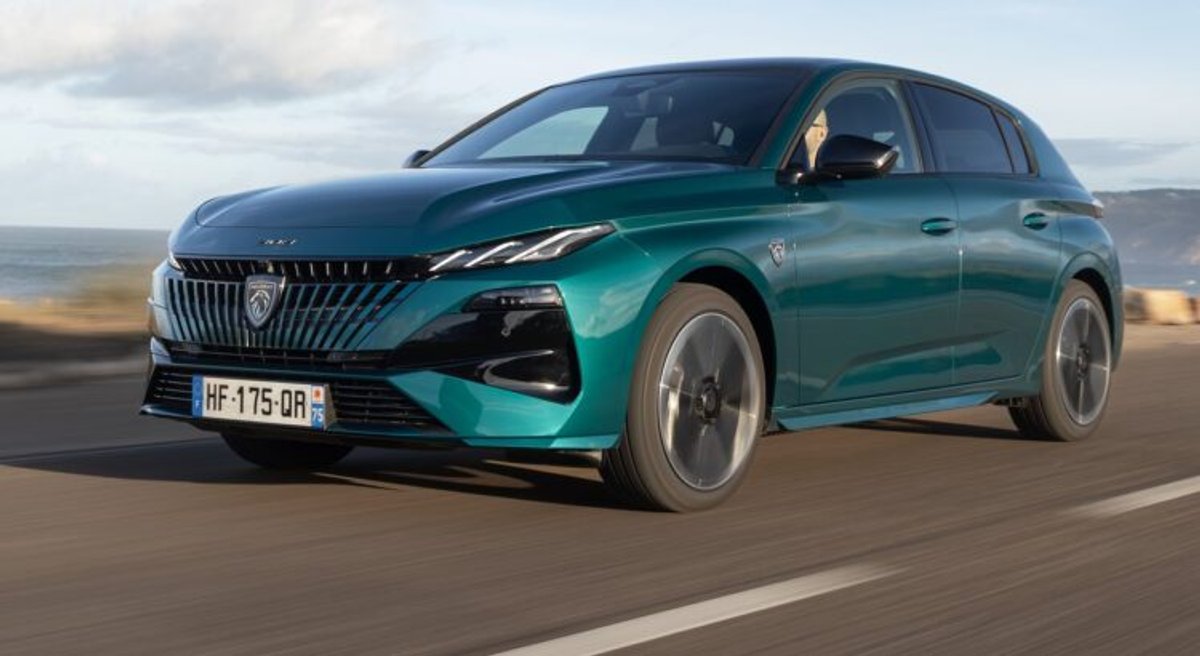
The facelifted Peugeot 308 arrives for 2026 with a lineup covering every energy type: micro-hybrid, plug-in hybrid, electric, and notably, diesel is back. The entry price is set at €33,400 for a compact available as a hatchback (4.367 m) or SW estate (4.636 m). This is the last Peugeot estate in the lineup since the 508 SW was discontinued in 2025.
"The 1.5 BlueHDi version promises over 1,000 km of range on a full tank, with claimed consumption of 4.9 L/100 km." — Passionandcar
A Surgical Facelift, Not Cosmetic
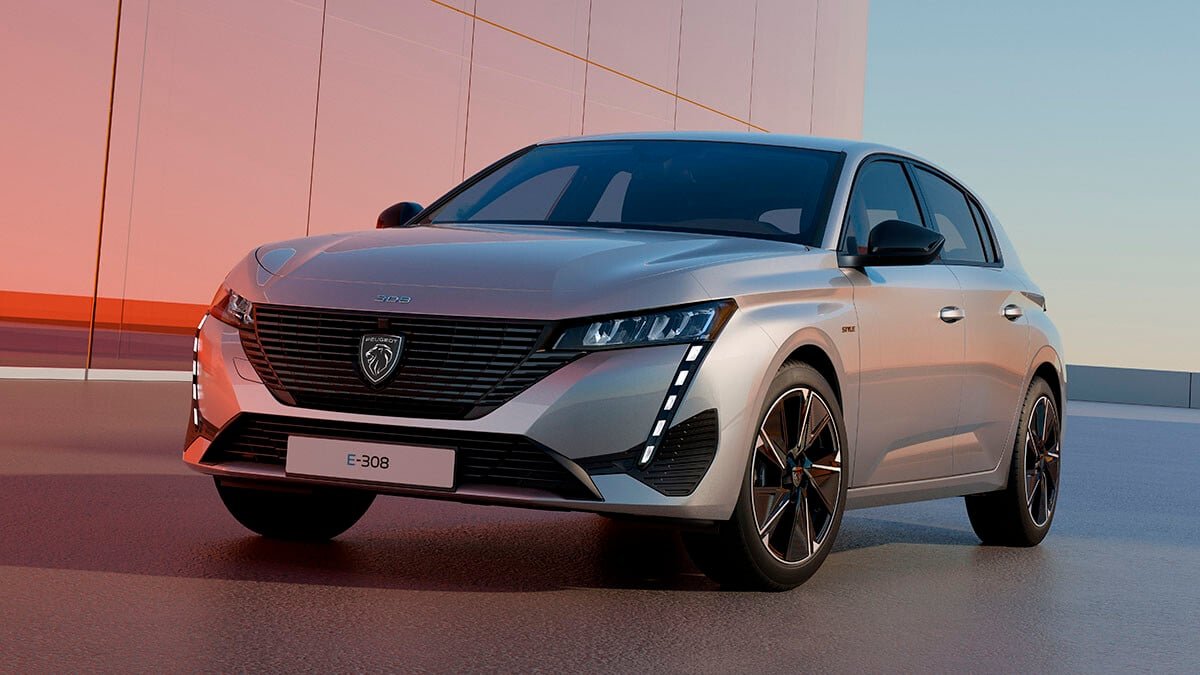
Launched in 2021, the third-generation 308 gets a facelift focused on the front end. The grille has been redesigned, now stretching between new headlights, gaining visual presence. Dimensions remain unchanged: 4.367 m for the hatchback, 4.636 m for the estate, 1.852 m wide in both cases. At the top of the range, the backlit logo and GT details finish the look.
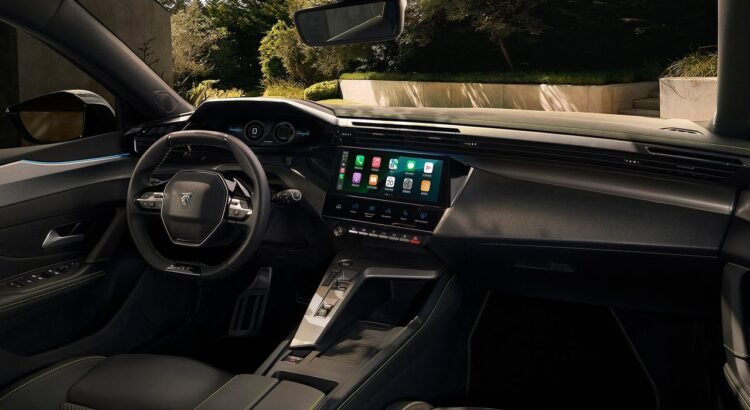
Inside, Peugeot has done the bare minimum according to Auto Journal: the real changes are under the hood. The i-Cockpit with a 10-inch head-up display is standard from the entry-level trim, along with Full LED Technology headlights and 18-inch alloy wheels. Driver assistance systems and a rearview camera come from the Allure trim onward.
Diesel, Hybrid, Electric: The 308 Refuses to Choose
This is what truly sets the 308 apart from its direct rivals in 2026. While the Renault Mégane shifts almost exclusively to electric and the Toyota Corolla locks in standard hybrid, Peugeot maintains four powertrains.
The 1.5 BlueHDi 130 returns to the lineup—a deliberate move by Stellantis, which had nearly buried diesel in recent years. According to a group spokesperson cited by Reuters, the decision is clear: "We have decided to keep diesel engines in our portfolio and, in some cases, to increase our powertrain offerings." On the ground, this translates to claimed consumption of 4.9 L/100 km and over 1,000 km possible on a full tank. For high-mileage drivers who don't want to rely on a charging station, that's a solid argument.
The 145 hp micro-hybrid (Hybrid 145 e-DCS6) serves as the entry point into electrification, and according to Autoplus, which tested it on the SW version, it's the most balanced powertrain in the lineup. Good smoothness in town, decent consumption, and a 575 dm³ trunk on the estate—178 dm³ more than an equivalent hatchback.
The Plug-In Hybrid: 85 km Electric—If You Actually Charge
The PHEV 195 hp version packs a 17.2 kWh battery and claims 85 km of electric range WLTP. In the real world, expect 60 to 70 km depending on conditions—still enough for most daily commutes if you have a charger at home or work.
This is the usual reality check with plug-in hybrids: profitability depends entirely on your actual usage. According to Auto Journal's analysis, this powertrain "is only relevant if frequent charging is possible." If your parking spot lacks a plug, you end up with a car weighed down by a battery you never charge—and consumption that climbs accordingly.

Written by
Jules DuboisSpecialist électrique, hybride, batterie, recharge, autonomie, technologies, electrique, nouveaute
Journaliste automobile passionné par la mobilité électrique et les nouvelles technologies. Après 10 ans dans la presse spécialisée, Jules décrypte ...
View all articles (12)Read More
•Peugeot Replaces PureTech with New Turbo 100 Engine
•Peugeot 9X8 2026: New GTI Livery in Classic 205 Colors
•Peugeot Nautilus 1997: The Pininfarina Concept That Redefined the Sedan
•Peugeot 208 2027: Electric Rebirth, Hybrid Survival
•Peugeot 408 Facelift Avoids Price Hike Despite Inflation
•Tesla Cybercab Production Launched, Record Q1 2026 Results
•2026 Porsche 911 Turbo S Hybrid Hits 60 MPH in 2.0 Seconds
•Tesla Semi: Mass Production in 2026 with 800 kW Charging