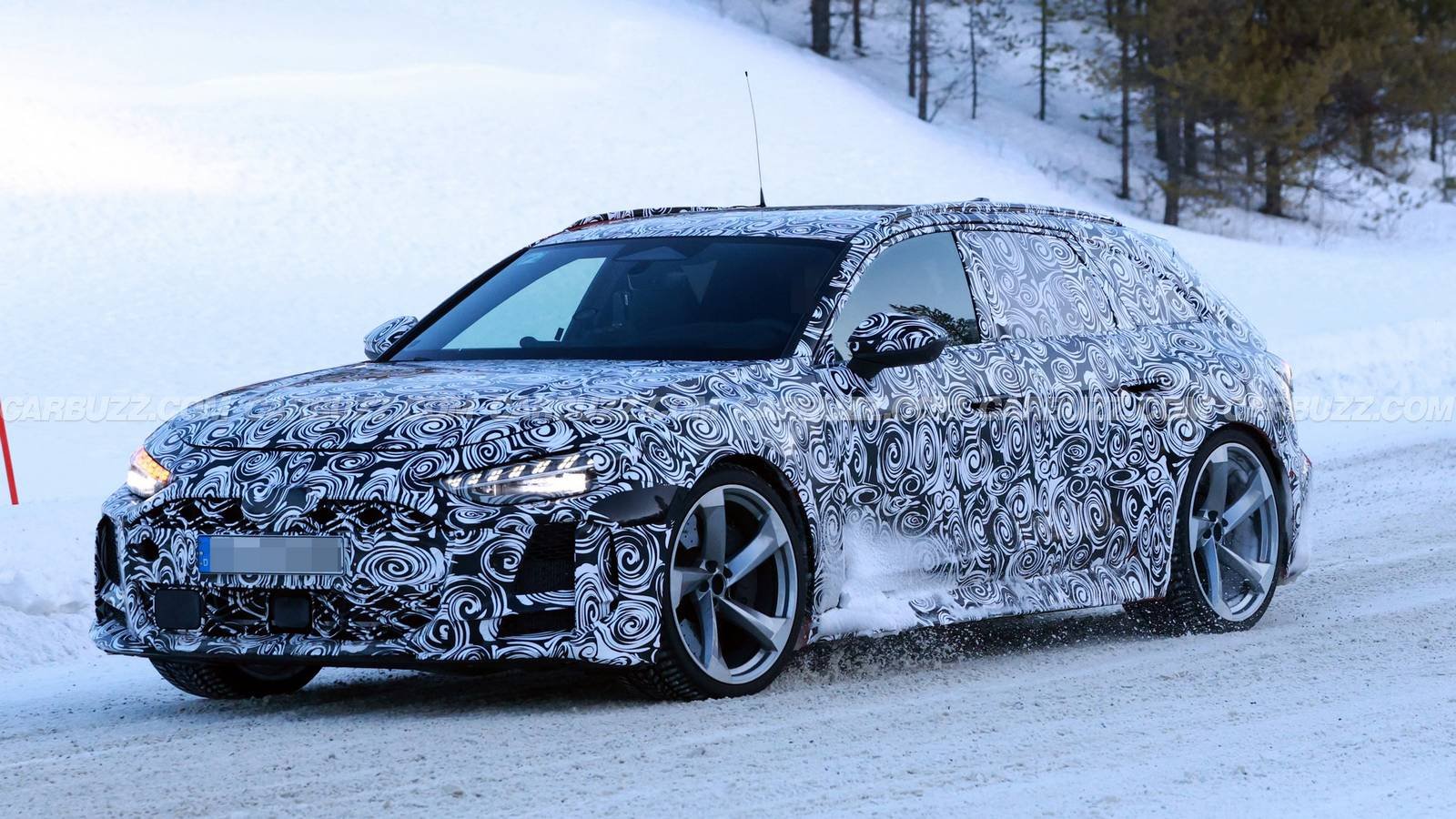
2026 Audi RS 5: 639 HP PHEV, RS Goes Hybrid
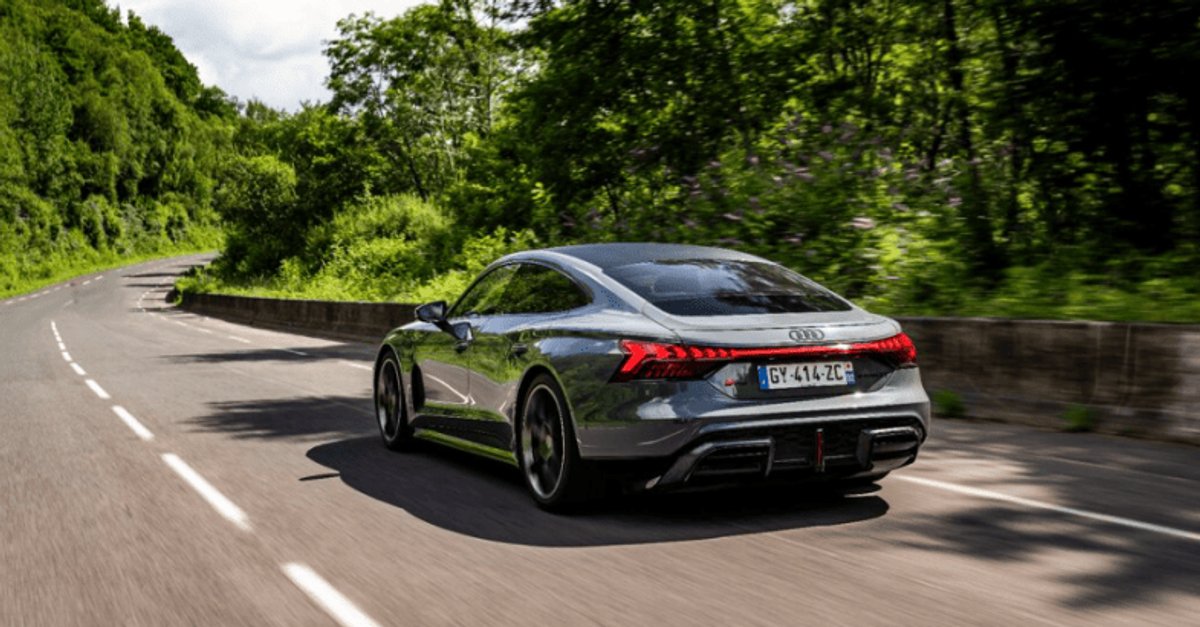
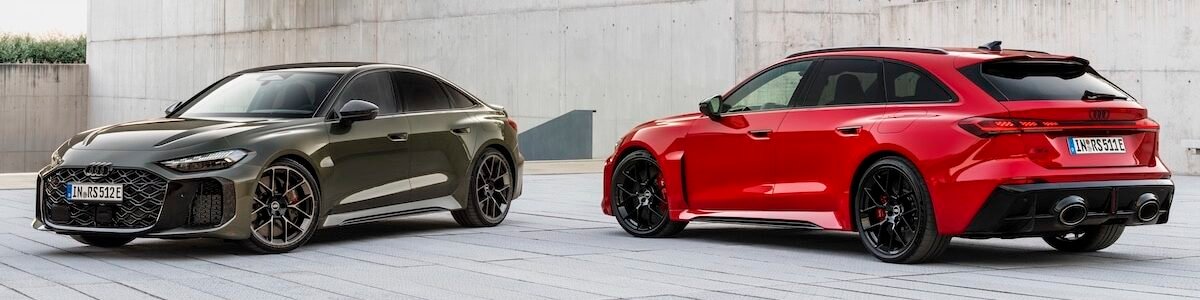
Audi unveils the new RS 5 in February 2026, the brand's first plug-in hybrid RS. With 639 hp from a 510-hp V6 biturbo paired with a 177-hp electric motor, it's available as a sedan and Avant wagon starting at €118,000, with deliveries expected in summer 2026. In France, its PHEV status exempts it from the CO₂ penalty tax—no small feat at this power level.
"With a depleted battery, consumption would settle at 10.2-9.5 L/100 km." — Le Blog Auto, analysis of the RS 5's WLTP homologation
A V6 That Stays Put
The good news for purists: the 2.9-liter V6 biturbo is still here. Forget following the Mercedes-AMG C63's lead, which swapped its V8 for a four-cylinder when going hybrid. Audi reworked the engine familiar from previous RS 4 and RS 5 models—developed in collaboration with Porsche—to extract 510 hp and 600 Nm of torque, 60 hp more than the outgoing generation. The secret: a modified Miller cycle, variable-geometry turbos, and an optimized intake circuit. Audi claims a 20% drop in fuel consumption from the thermal engine alone.
The 177-hp (460 Nm) electric motor is integrated directly into the 8-speed tiptronic gearbox. Combined result: 639 hp and 825 Nm. The 0-100 km/h sprint takes 3.6 seconds, with a top speed of 285 km/h with the optional Audi Sport pack.
📋 Fiche technique
80 km on Electric—And Then What?
The battery packs 25.9 kWh gross (22 kWh net), tucked under the trunk floor. Electric range is pegged at around 80 km on the WLTP cycle, which covers most daily commutes. Audi doesn't give an official precise figure for 100% electric mode—according to Mobiwisy, it's "proof that it wasn't top of the priority list for Audi Sport engineers." Fair enough.
Charging maxes out at 11 kW on AC, meaning about 2h30 for a full charge. No DC fast charging announced, which aligns with its intended use: home or office, not highway stalls.
With a dead battery, everything changes. Consumption climbs to 10.2-9.5 L/100 km per Le Blog Auto. No surprise given a curb weight of 2,355 kg (2,370 kg for the Avant), but that's the real-world reality for anyone who never plugs in.
A Completely Reworked Quattro
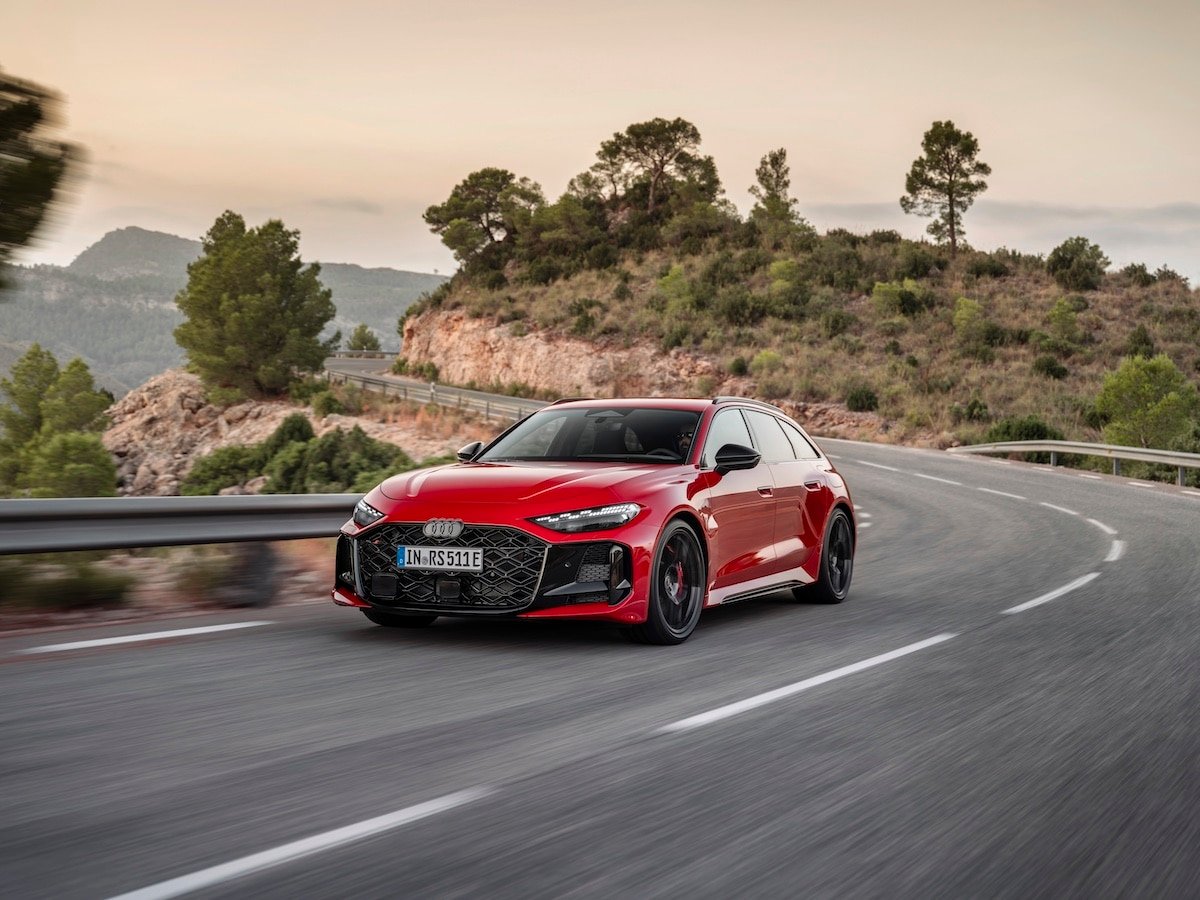
This is where it gets technical. The Quattro drivetrain in this RS 5 is unprecedented, combining two systems. A self-locking center differential manages distribution between axles—varying from 30/70 to 15/85 favoring the rear. Plus a Dynamic Torque Control system: electromechanical torque vectoring on the rear axle, with a dedicated 11-hp electric motor that adjusts distribution between the rear wheels in 15 milliseconds. That's the advantage of electrification for dynamics: responsiveness no mechanical differential alone can match.
This same rear motor draws up to 8 kW from the main battery. It's not just for torque vectoring—it also contributes to cornering agility by braking or accelerating the outside wheel as needed.
The Trunk Takes a Hit
There's a concrete downside to all this tech. On the Avant version, trunk space drops from 495 liters (old RS 4) to 361 liters—the battery sits under the floor and eats into volume. The new RS 5

Written by
Jules DuboisSpecialist électrique, hybride, batterie, recharge, autonomie, technologies, electrique, nouveaute
Journaliste automobile passionné par la mobilité électrique et les nouvelles technologies. Après 10 ans dans la presse spécialisée, Jules décrypte ...
View all articles (12)Read More
•Audi RS6: Power, Depreciation, and Versatility at What Cost?
•Audi MMI: Pay for Parking & Charging from Your Car Screen
•Audi TT Electric Successor Confirmed for 2027 Despite Porsche 718 EV Doubts