Audi RS5 PHEV vs BMW M3: 630 hp and 87 km electric range
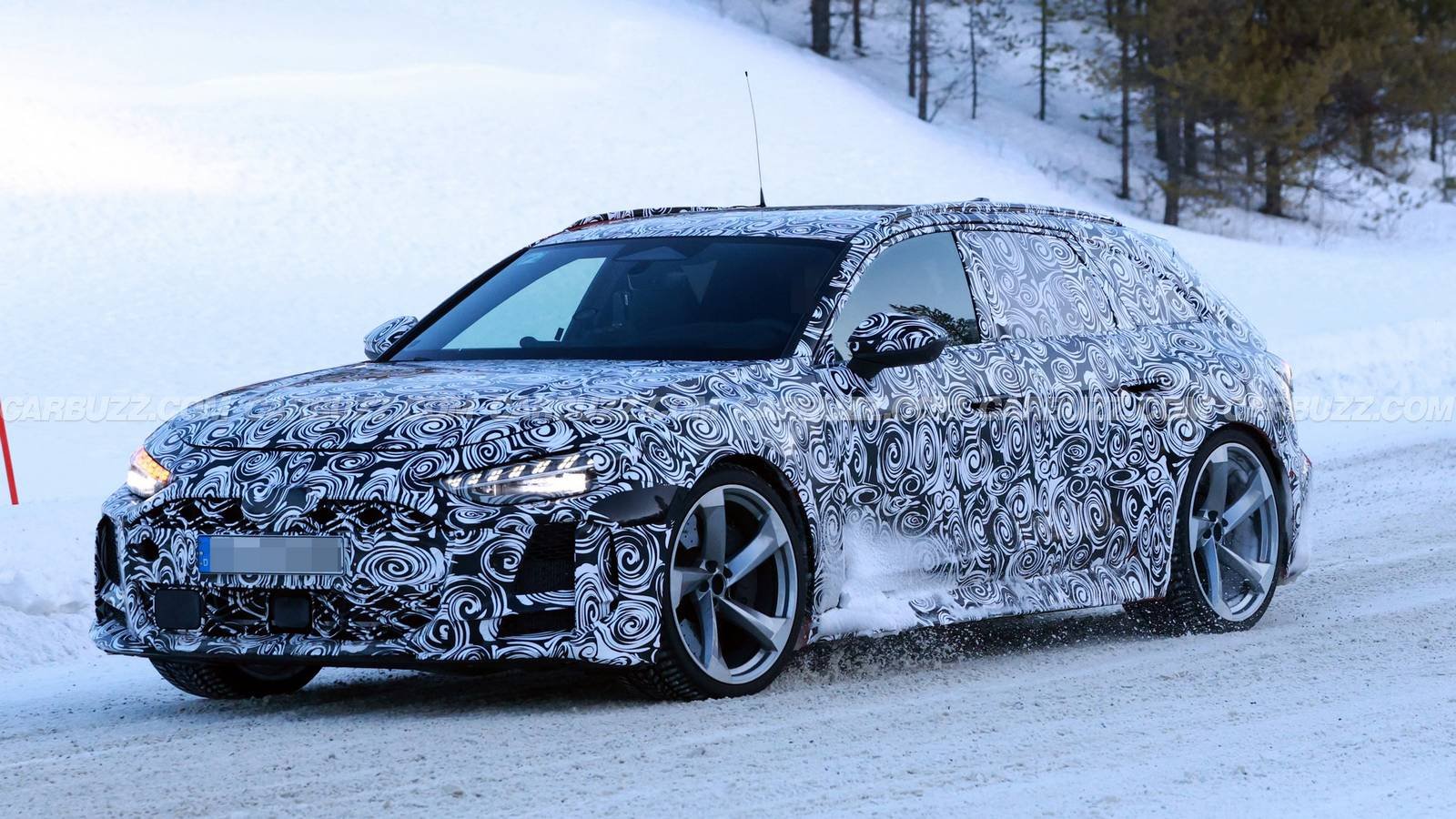
The new Audi RS5 is official: 630 hp as a plug-in hybrid to take on the BMW M3, with 87 km of electric range and an estate available from launch. A model unveiled in February 2026, marking Audi Sport's first foray into PHEV territory, while directly targeting the Bavarian sports wagon.
"Basically, there is no understeer. Even in the latest RS4 we could manage it better, but this is a new dimension." — Audi developer, quoted by Autocar UK
 Sedan 6](https://res.cloudinary.com/dvxey2ykr/image/upload/v1779794435/rss/2026-04-audi-m3-02.jpg "[Audi RS5](/article/audi-rs3-competition-limited-l-adieu-au-legendaire-5-cylindres) Sedan 6")
The 2026 RS5 arrives with a number that makes you wince: 2,370 kg. That's the claimed weight for the Avant version. For context, that's 625 kg more than the previous generation, and heavier than a BMW M3 Touring, which tops out at around 1,745 kg according to Sport Auto. Audi has chosen not to hide it, but to offset it with power. And you have to admit, 630 hp compensates for a lot on paper.
Under the hood: the V6 stays, but with electric backup
The 2.9-liter twin-turbo V6 is retained, but boosted to 510 hp — 60 hp more than before. The electric motor adds 175 hp via a 25.9 kWh battery. Combined total: 630 hp and 825 Nm. The 0-100 km/h sprint is claimed in 3.6 seconds, top speed at 285 km/h.
📋 Fiche technique
Audi's logic is clear: the 87 km of electric range allows you to drive in low-emission zones without firing up the V6, which changes the game for company fleets. The Mercedes-AMG C63, which also went PHEV, has been playing the same card since 2024 — with 680 hp and a four-cylinder that sparked controversy. Audi keeps its six cylinders, which should placate the purists, at least on that front.
Rear torque management: finally sorted?
This is the point that really needed an answer. The old RS4 had a tendency toward chronic understeer, well documented, making it feel like a lumbering tractor compared to the M3. The RS5 integrates a new system called Dynamic Torque Control: a vectoring rear differential with an 11 hp motor capable of redistributing 1,475 lb-ft between the wheels in fractions of a second. A central differential can send up to 100% of torque to the rear. There's even an "RS Torque Rear" mode — in other words, a drift mode. Audi offering a drift mode, that's news.
 hits the road before its official launch in 2027](https://res.cloudinary.com/dvxey2ykr/image/upload/v1779794445/rss/2026-04-audi-m3-03.jpg "The future [Audi TT](/article/audi-rs3-competition-limited-l-adieu-au-legendaire-5-cylindres) hits the road before its official launch in 2027")
When does the Audi Concept C, the future electric TT, arrive?
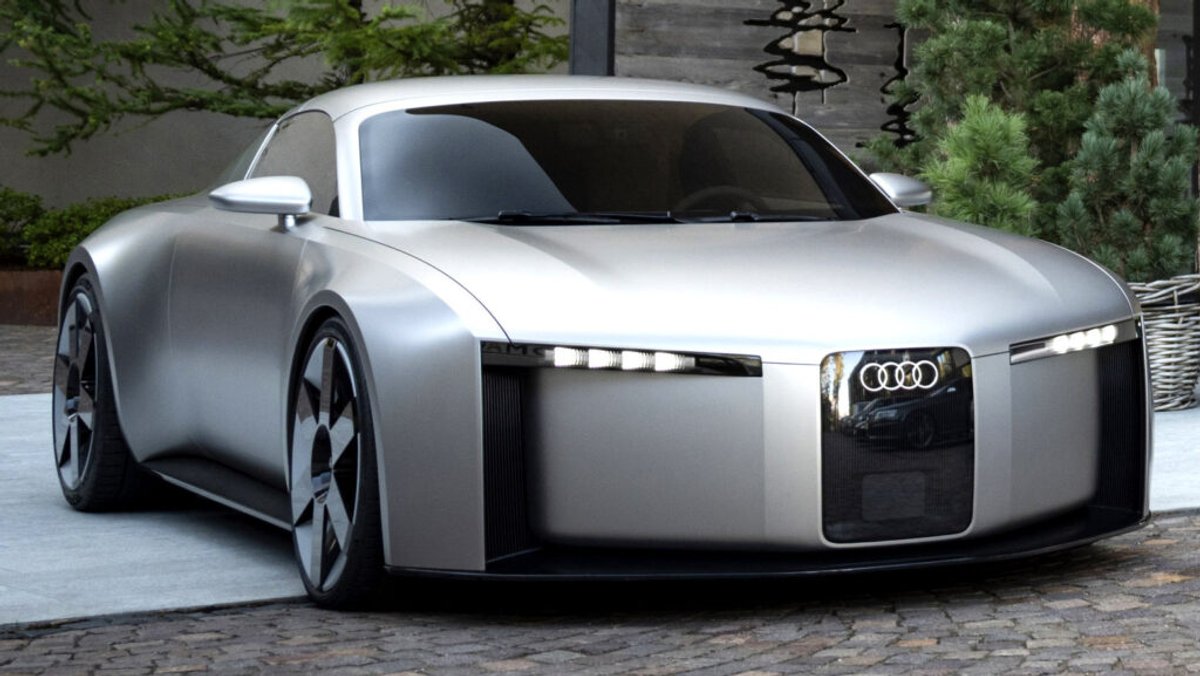
The context wouldn't be complete without mentioning the other hot topic from Ingolstadt. The Audi Concept C — the 2-seat electric roadster meant to replace the TT — is slated for 2027. Its boss, Gernot Döllner, sent an internal letter to his teams denying rumors of cancellation, revealed by the Donaukurier. "The delivery of the platform by Porsche is not in question," he writes, according to Autocar UK. The question comes from Bloomberg and Handelsblatt, which reported that Porsche — under its new CEO Michael Leiters, who arrived on January 1, 2026 — might cancel the electric 718 Boxster and Cayman to reduce costs.
The C-Sport (internal name) shares its technical base with these Porsches. If they pull the plug, Audi ends up funding the development of a niche car alone.

Written by
Jules DuboisSpecialist électrique, hybride, batterie, recharge, autonomie, technologies, electrique, nouveaute
Journaliste automobile passionné par la mobilité électrique et les nouvelles technologies. Après 10 ans dans la presse spécialisée, Jules décrypte ...
View all articles (12)Read More
•BMW M3 Touring: From April Fool's Joke to Nürburgring Race Car
•BMW M3 Touring 24H: From April Fools' Joke to Nürburgring Racer
•2026 Audi RS 5: 639 HP PHEV, RS Goes Hybrid
•Audi RS6: Power, Depreciation, and Versatility at What Cost?
•Audi MMI: Pay for Parking & Charging from Your Car Screen